
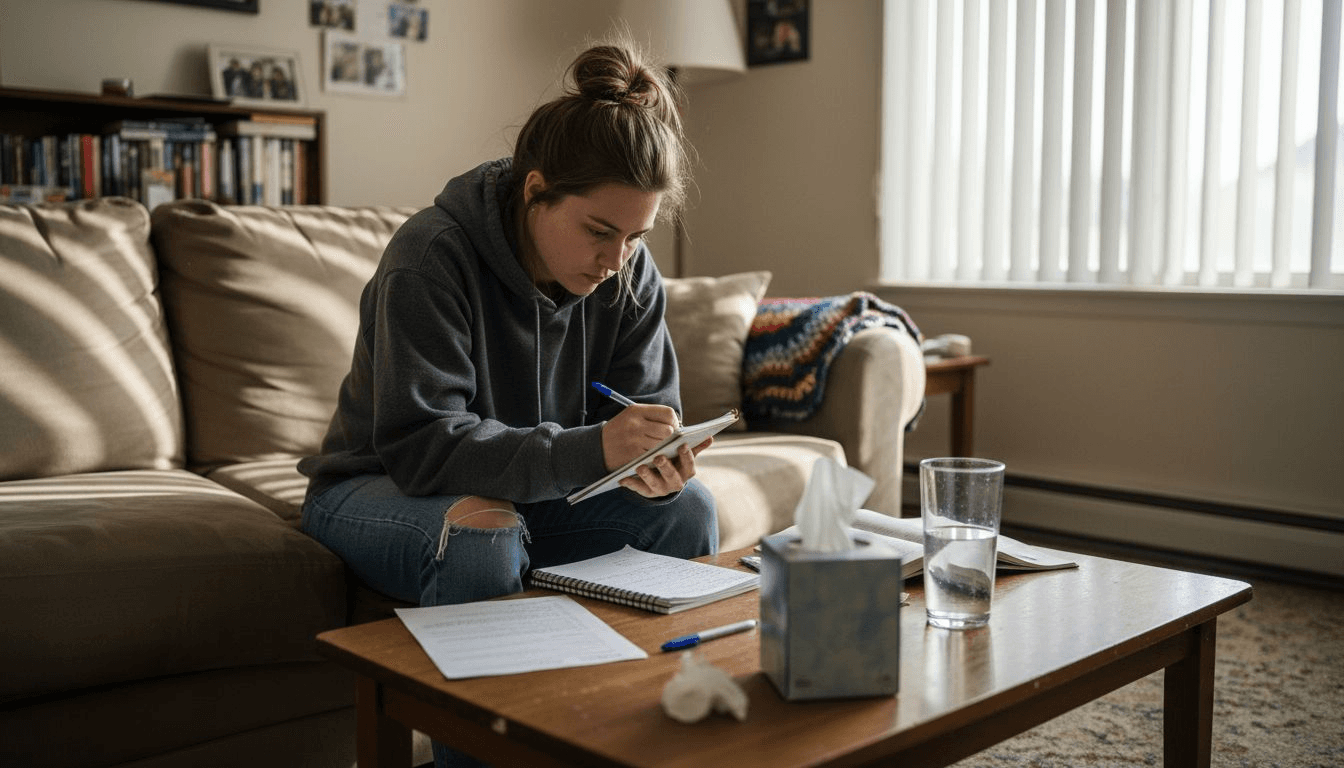
Starting therapy can feel overwhelming, especially when you're already managing anxiety or depression. You might wonder what to bring, how to articulate your feelings, or whether therapy will truly help. Research shows that adults who prepare effectively experience better engagement and outcomes from their sessions. This guide walks you through practical steps to prepare for therapy in the UK, from creating a confidential space to setting meaningful goals, so you can maximise every appointment and feel confident as you begin your mental health journey.
Table of Contents
- Understanding What You Need Before Therapy
- Step-By-Step Guide To Preparing For Your First Therapy Session
- Common Challenges And How To Overcome Them In Therapy Preparation
- What To Expect After Starting Therapy And Measuring Your Progress
- How My Safe Therapy Supports Your Preparation And Progress
- How To Prepare For Therapy Frequently Asked Questions
Key takeaways
| Point | Details |
|---|---|
| Preparation enhances outcomes | Setting clear goals and gathering relevant information before sessions improves therapy effectiveness and comfort |
| Confidential environment matters | A private, quiet space for online or in-person sessions allows honest conversation and deeper progress |
| Expectations shape experience | Understanding therapy stages and recognising progress indicators helps you stay motivated and communicate needs |
| Common challenges are manageable | Fear of judgement and difficulty expressing feelings can be overcome with specific preparation techniques |
Understanding what you need before therapy
Before your first session, take time to assess your personal readiness and practical requirements. Therapy works best when you have a quiet, confidential space where you feel safe to speak openly. For online sessions, this might mean scheduling appointments when others are out, using headphones, or finding a private room. Creating a comfortable and private setting improves therapy engagement significantly, allowing you to focus entirely on the conversation rather than worrying about being overheard.
List the feelings, experiences, and situations you want to discuss. You don't need perfect clarity, just some starting points. Write down recent emotional challenges, patterns you've noticed, or specific incidents that troubled you. This exercise helps you articulate concerns during your session rather than freezing up or forgetting important details. Many people find that journaling for a few days before their appointment reveals patterns they hadn't consciously recognised.
Understanding different therapy approaches helps you choose the right fit. Cognitive behavioural therapy focuses on changing thought patterns, while psychodynamic therapy explores past experiences. Person-centred therapy emphasises your own insights and solutions. Research the therapist's specialisation and consider whether their approach matches your needs. If you're unsure, prepare questions about their methods and experience treating anxiety or depression.
Confidentiality is a cornerstone of UK therapy practice. Therapists registered with BACP, UKCP, or NCPS follow strict ethical codes protecting your privacy. They can only break confidentiality in exceptional circumstances, such as serious risk of harm. Understanding your rights as a patient reduces anxiety about sharing sensitive information. You're entitled to ask about data storage, session notes, and how your information is protected.
Prepare questions for your therapist to establish rapport and clarify expectations. Consider asking about their experience with your specific concerns, typical session structure, how they measure progress, and what happens if you feel therapy isn't working. Good therapists welcome questions and see them as signs of engagement. Write your questions down so you don't forget them when nerves kick in.
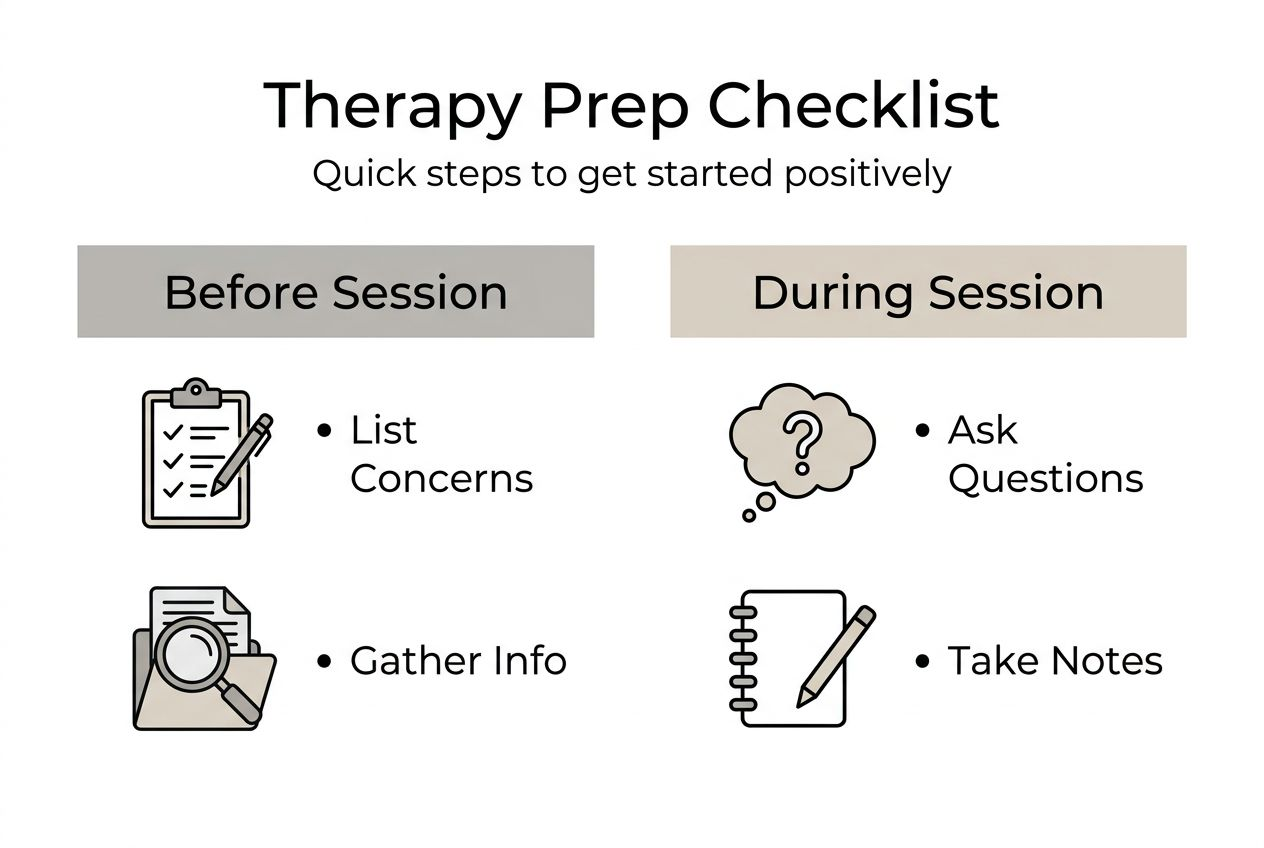
Pro Tip: Create a simple document listing your main concerns, recent triggers, and what you hope to achieve. Email it to yourself or keep it on your phone so you can reference it before and during your session.
Therapy preparation checklist
| Preparation area | What to do |
|---|---|
| Physical space | Secure a private, quiet location with reliable internet for online sessions |
| Mental readiness | List 3 to 5 specific issues or feelings you want to address |
| Practical logistics | Confirm appointment time, platform access, and backup contact methods |
| Questions prepared | Write down 3 to 5 questions about the therapist's approach and your treatment plan |
Step-by-step guide to preparing for your first therapy session
Start by gathering your personal mental health history. Note any previous therapy experiences, medications you've tried, family history of mental health conditions, and significant life events that may relate to your current struggles. This information helps your therapist understand your background quickly, making your first session more productive. You don't need a comprehensive medical report, just key facts that provide context.
Set clear, realistic therapy goals that guide your treatment. Rather than vague aims like "feel better," specify measurable outcomes such as "manage anxiety symptoms enough to attend social events" or "develop coping strategies for work stress." Clarifying your goals enhances therapy effectiveness by giving you and your therapist concrete targets to work towards. Write down both short-term goals for the next few weeks and longer-term aspirations for the coming months.
Prepare to discuss recent emotional challenges in specific terms. Think about situations where anxiety or depression affected your daily life in the past fortnight. What triggered these feelings? How did you respond? What made things better or worse? Concrete examples help therapists understand your experiences and tailor their approach. You might feel vulnerable sharing these details, but specificity accelerates progress far more than general statements.

Plan the practical logistics carefully to reduce day-of stress. For online therapy, test your video platform beforehand, ensure your device is charged, and have the therapist's contact details saved. For in-person appointments, map your route, allow extra travel time, and identify a quiet space nearby where you can decompress afterwards if needed. Schedule your session when you won't be rushed before or after, giving yourself mental space to engage fully.
Manage pre-session nerves with grounding techniques. Many people feel anxious before their first appointment, which is entirely normal. Try deep breathing exercises, a short walk, or listening to calming music beforehand. Remind yourself that therapists are trained professionals who've heard countless stories and won't judge you. Your nervousness actually shows you're taking this seriously and investing in your wellbeing.
Pro Tip: Schedule your first session for a time when you typically feel most alert and emotionally stable, whether that's morning, afternoon, or evening. Avoid booking immediately after stressful commitments.
First session preparation timeline
- One week before: Research your therapist's background and approach, prepare your questions
- Three days before: List specific recent challenges and emotional patterns you've noticed
- One day before: Test technology for online sessions, confirm logistics, review your goals
- Session day: Arrive or log in five minutes early, have water nearby, silence phone notifications
Common challenges and how to overcome them in therapy preparation
Fear of stigma or judgement prevents many people from fully engaging in therapy preparation. You might worry about being seen as weak or dramatic. This concern is understandable but unfounded. Anxiety about therapy is common but manageable with preparation. Remember that seeking help demonstrates strength and self-awareness. Your therapist has chosen a profession dedicated to supporting people through difficulties and will view your openness as courageous, not shameful.
Difficulty articulating feelings is perhaps the most frequent preparation obstacle. You know something feels wrong but can't find words for it. Start with physical sensations rather than emotions. Do you feel tightness in your chest, fatigue, restlessness? Then connect these to situations. When do these sensations intensify? This body-based approach often unlocks emotional awareness. Use metaphors if direct language fails. Depression might feel like "walking through fog" or anxiety like "constant background noise."
Concerns about confidentiality can make you hesitant to prepare honestly. You might edit your thoughts, worrying about who could access them. UK therapists operate under strict confidentiality rules, and reputable platforms use encrypted systems. However, take practical steps to protect your privacy. Use password-protected documents for notes, clear your browser history if sharing devices, and consider whether email communication feels secure enough for your situation. Your comfort matters.
Worries about therapy effectiveness might make preparation feel pointless. What if you do all this work and therapy doesn't help? This fear is valid but shouldn't prevent preparation. Therapy isn't magic, but research consistently shows it helps most people who engage genuinely. Your preparation itself demonstrates commitment, which predicts better outcomes. If one approach doesn't work, you can try different methods or therapists. Preparation isn't wasted even if you need adjustments.
Emotional and mental preparation involves accepting discomfort. Therapy will likely bring up painful topics and challenge your current coping mechanisms. Prepare yourself mentally for this by acknowledging that growth often feels uncomfortable. You're not aiming for constant happiness but for developing skills to navigate difficulties. Set an intention to be honest even when it's hard, to sit with uncomfortable feelings rather than deflecting, and to trust the process even when progress feels slow.
"The most effective therapy happens when clients prepare to be vulnerable and therapists create space for that vulnerability. Preparation reduces the barrier to opening up."
What to expect after starting therapy and measuring your progress
Typical therapy stages follow a predictable pattern after initial sessions. The first few appointments focus on building rapport and understanding your situation. Your therapist gathers information and you both establish goals. The middle phase involves active work, trying new strategies, exploring patterns, and practising skills. This period can feel challenging as you confront difficult material. The final stage emphasises consolidation, where you integrate what you've learned and prepare to continue independently. Understanding these stages helps you recognise that early sessions feeling tentative is normal, not a sign of failure.
Indicators of positive change vary by person but include several common markers. You might notice improved sleep, better ability to identify emotions as they arise, reduced frequency or intensity of anxiety or depression symptoms, or enhanced relationships. Progress in therapy varies but regular reflection improves outcomes. Some changes are dramatic, others subtle. You might handle a situation differently than you would have months ago, or friends might comment that you seem lighter. Keep a brief weekly log noting your mood, coping successes, and challenges to track patterns over time.
Communicate concerns or slow progress to your therapist directly and promptly. If you feel stuck after several sessions, voice this. Good therapists welcome feedback and will adjust their approach. Perhaps the technique isn't working for you, or you need to address a different issue first. Maybe the pace feels too slow or too fast. Therapy is collaborative, and your input shapes its direction. Withholding concerns wastes time and money, whilst honest communication often unlocks breakthroughs.
Comparing therapy approaches for anxiety and depression
| Approach | Focus | Typical duration | Best for |
|---|---|---|---|
| Cognitive behavioural therapy | Changing thought patterns and behaviours | 12 to 20 sessions | Specific anxiety or depression symptoms with clear triggers |
| Psychodynamic therapy | Exploring past experiences and unconscious patterns | 6 months to 2 years | Deep-rooted issues, relationship patterns, complex trauma |
| Person-centred therapy | Your own insights and solutions with therapist support | Variable, often 3 to 6 months | Self-exploration, building self-esteem, personal growth |
| Mindfulness-based therapy | Present-moment awareness and acceptance | 8 to 12 sessions | Chronic worry, rumination, stress management |
Tips to continue benefiting between sessions include practising skills your therapist suggests, journaling about insights or emotional patterns, and using self-help resources that complement your therapy. Many people find that the real work happens between appointments as they apply new perspectives to daily life. Set small weekly goals related to your therapy work. If you're working on social anxiety, perhaps you'll initiate one conversation. If addressing depression, maybe you'll maintain a consistent sleep schedule. These actions reinforce session learning.
- Review session notes within 24 hours whilst insights feel fresh and relevant
- Practise any exercises or techniques your therapist recommended, even when motivation is low
- Notice situations where old patterns emerge and how you might respond differently
- Prepare specific examples or questions for your next session based on the week's experiences
Pro Tip: Schedule a regular 10-minute weekly check-in with yourself to review progress, note challenges, and prepare for your next session. This habit maximises therapy value and keeps you engaged between appointments.
How My Safe Therapy supports your preparation and progress
Preparing for therapy becomes simpler when you have the right support from the start. My Safe Therapy connects you with UK-accredited therapists registered with BACP, UKCP, or NCPS, ensuring you receive professional, confidential care tailored to anxiety and depression. Our platform offers flexible formats including video, chat, and avatar-based sessions, so you can choose what feels most comfortable as you begin your journey.
We provide resources to help you prepare effectively for each session, from goal-setting worksheets to mood tracking tools that identify patterns before appointments. Between sessions, access AI journaling and self-help materials that reinforce your therapy work and keep you progressing. With transparent pricing, evening and weekend availability, and the ability to switch therapists easily, we've designed our service to remove barriers and support your preparation and ongoing mental health management in a safe, accessible environment.
How to prepare for therapy frequently asked questions
What documents or information should I bring to therapy?
You don't need formal documents for most therapy. Bring a list of current medications, any previous mental health diagnoses, and notes about your main concerns or goals. If you've had therapy before, a brief summary of what worked or didn't can help your new therapist tailor their approach.
How can I create a private space at home for online therapy?
Choose a room where you can close the door and use headphones to ensure confidentiality. Schedule sessions when others are out if possible, or let housemates know you need privacy during specific times. Consider using a white noise machine outside the door, and position your camera so your background doesn't reveal sensitive information.
What if I feel nervous before my first session?
Nervousness is completely normal and shows you're taking therapy seriously. Try grounding techniques like deep breathing or a brief walk beforehand. Remind yourself that therapists are trained professionals who won't judge you, and your first session is simply a conversation to understand your needs. Many people find their anxiety decreases significantly once the session begins.
How do I set goals for therapy?
Start with specific, measurable outcomes rather than vague wishes. Instead of "feel less anxious," try "manage anxiety enough to attend weekly social events" or "reduce panic attacks from daily to weekly." Discuss these goals with your therapist in your first session and expect to refine them as you progress.
How soon will therapy start helping me?
Timelines vary widely depending on your concerns, therapy type, and personal circumstances. Some people notice small improvements within a few weeks, such as better emotional awareness or slightly improved coping. Significant change typically takes several months of consistent work. Discuss realistic expectations with your therapist early on, and remember that progress isn't always linear.
Can I prepare too much for therapy?
Whilst thorough preparation helps, avoid over-scripting your sessions or trying to solve everything before you arrive. Therapy works through genuine conversation and exploration, not perfect presentations. Prepare enough to feel oriented and comfortable, then trust the process to unfold naturally. Your therapist will guide the conversation and help you explore areas you might not have considered.