
Accessing prompt, affordable online therapy without being limited by long waitlists or impersonal automated matching is still difficult for many people in the UK. Most online therapy marketplaces either limit access to a pool of local therapists, charge high fees for specialist services, or lack the human oversight that ensures professional standards and a good client-therapist fit. This comparison outlines session fees, therapist vetting and matching processes across three UK-based online therapy marketplaces so you can select the right platform for your needs without committing up front.
Table of Contents
MySafeTherapy
At a Glance
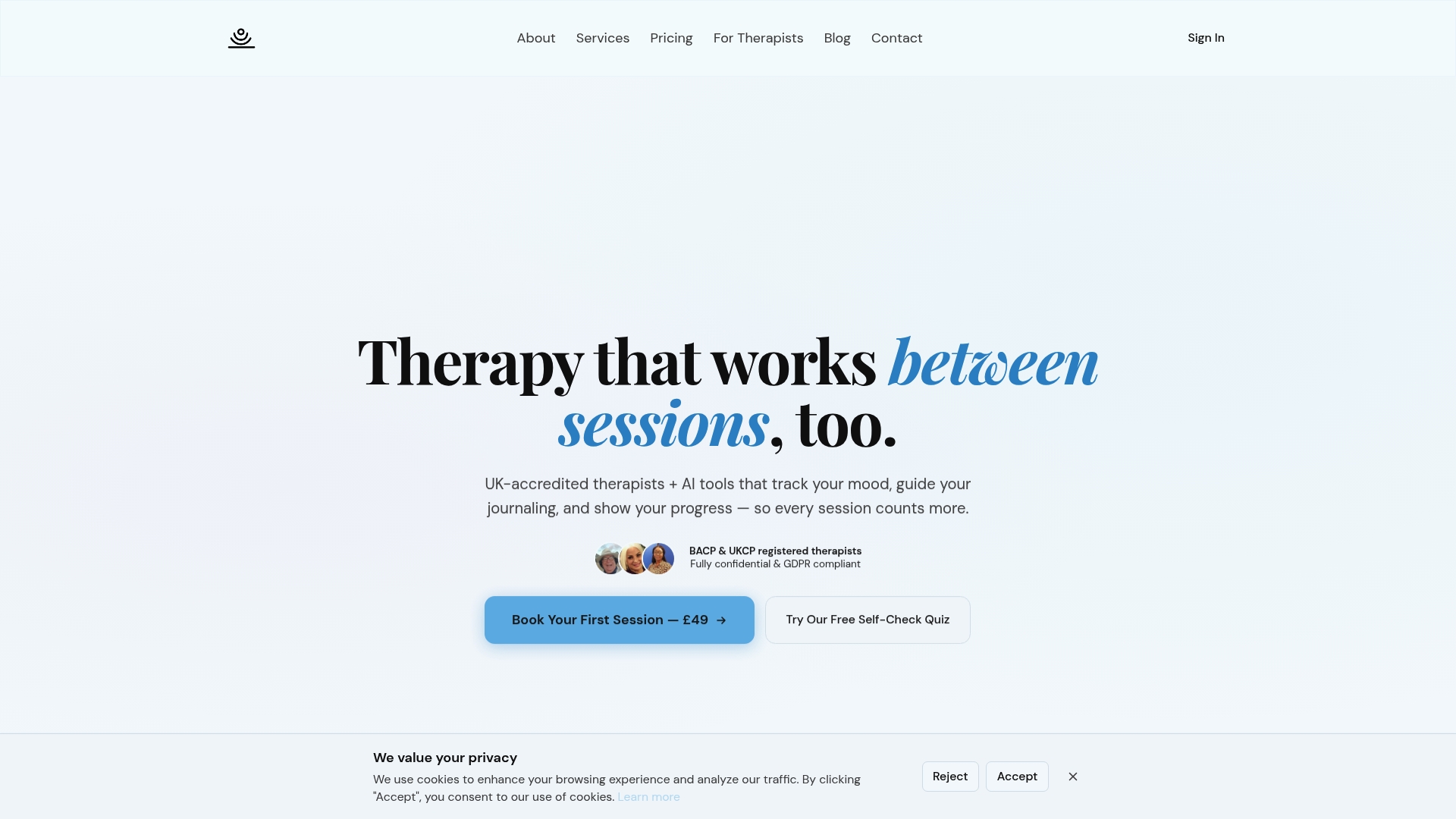
Therapy sessions start at £49 with self-help tools available from £9/month, a pricing mix that makes short courses or single sessions affordable alongside ongoing support. The platform pairs live sessions with AI journaling and mood tracking so work between appointments is structured and measurable.
Core Features
- Online sessions with UK-accredited therapists registered with BACP, UKCP, or HCPC, available by video, chat, messaging and avatar-based formats.
- AI-supported self-help tools including journaling, mood tracking and personalised programmes that feed progress insights to both you and your therapist.
- Therapist tools and resources to monitor client engagement between sessions and to tailor therapy based on tracked data.
Key Differentiator
The platform links professionally guided therapy with AI-driven tools so the conversation does not stop at session end. That integration means therapists can review mood trends and journal entries before a session and focus clinical time on interventions rather than recapping.
Pros
-
Combines human-led therapy with digital tools which helps maintain momentum between appointments and reduces repetitive updates during sessions.
-
No referral or long waitlists are advertised, so you can begin assessment and book an initial session quickly, useful when you want support without delay.
-
Transparent entry pricing from £49 per session and low-cost self-help from £9/month make short-term and ongoing support financially accessible.
-
Privacy measures such as GDPR compliance and encryption are stated, which matters when you prioritise confidentiality and anonymous options like avatar-based therapy.
-
The platform supports therapists with client-monitoring tools so clinicians can extend care beyond the hour and track outcomes over time.
Cons
- Limited to users in the UK; international access is not provided which restricts availability for expatriates or those outside UK jurisdiction.
Who It's For
People in the UK who want flexible, confidential therapy without long waits, including busy professionals, those who prefer anonymity, and anyone seeking a mix of live therapy and structured self-help.
Therapists and employers can also use the platform to offer or manage support and to keep sight of client progress between sessions.
Unique Value Proposition
Sessions from £49 plus inexpensive self-help tools mean you can combine occasional live therapy with daily AI-supported practices without paying high monthly fees for continuous access. That price structure makes stepping into therapy low friction while preserving the option to scale to weekly work when needed.
Real World Use Case
A client overwhelmed by work stress completes an online assessment, books weekly video sessions and uses daily mood tracking and journaling. The therapist reviews the automated progress report before each appointment so session time targets coping strategies rather than basic history taking.
Over several weeks the client reports clearer boundaries at work and reduced reactivity, supported by messaging and guided exercises between sessions.
Pricing
Therapy sessions start at £49 per session. Self-help tools begin at £9 per month with bundle options available for combined therapy and digital tool access. The vendor advertises a range of bundle choices to suit occasional or ongoing users.
Website: https://mysafetherapy.com
Augmentive
At a Glance
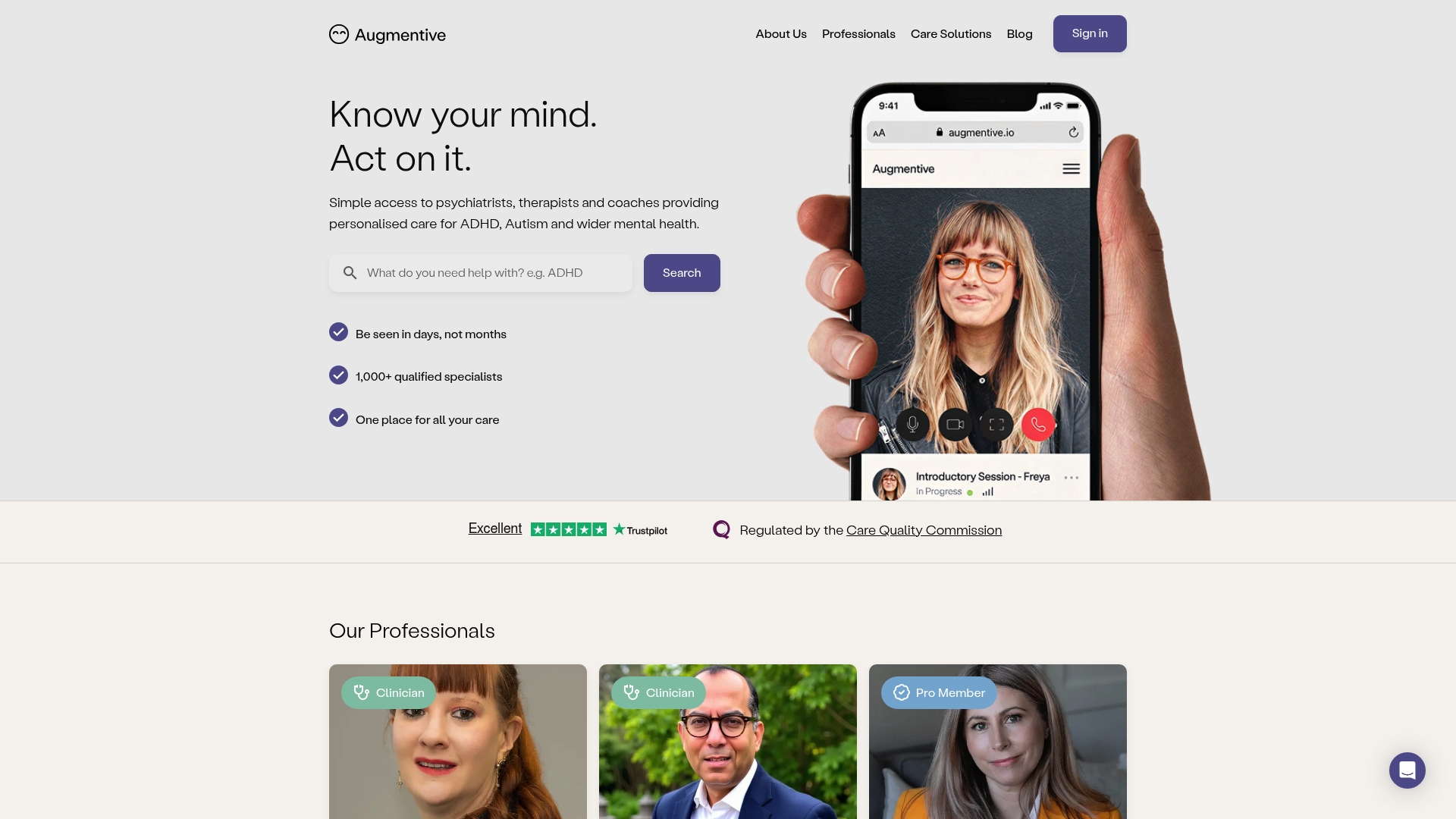
Augmentive advertises bookings available within days and a vendor-reported network of over 1,000 vetted mental health professionals; those figures come from the company. The service pairs rapid access with both online and in-person care for ADHD, autism and broader mental health needs.
Core Features
- Medical assessments and diagnosis pathways for ADHD, autism and other conditions, including structured follow-up where needed.
- Speedy booking and appointment management via a digital portal that aims to reduce long NHS waits for assessments and medication reviews.
- Integrated care options spanning psychiatry, therapy, coaching and medication management delivered online or face to face.
Key Differentiator
Augmentive's marketing materials state regulation by the Care Quality Commission combined with a large, vetted clinical network. That mix positions the service as a private, regulated marketplace focused on timely, clinician-led neurodiversity and mental health pathways.
Pros
- Fast access. The platform's emphasis on appointments in days reduces the typical private referral friction and gets assessment or medication reviews started sooner.
- Broad service mix. You can move from initial psychiatric assessment to therapy, coaching or medication management without switching providers.
- The vendor reports highly positive user reviews, which reflect frequent comments about professionalism and empathy from clinicians.
- CQC regulation provides an extra compliance signal for people who prioritise formal oversight when choosing private care.
- Both online and in-person options make it practical for clients who prefer remote sessions or need face-to-face assessments.
Cons
- Premium fees. Most sessions are charged per visit and can be costly compared with NHS services, which may put this out of reach for some.
- Specialist availability varies. Wait times for particular clinicians or complex assessments can still be longer despite the generally speedy booking promise.
- UK focus. The service primarily serves UK residents, so international users will find access limited.
- Urgent responses depend on practitioner availability, so emergency needs may require alternative routes.
When It May Not Fit
If you need free or long-term funded care, Augmentive's pay-per-session model is not ideal. It is also a poor fit for people based outside the UK or for those who require immediate crisis intervention where local emergency services are appropriate.
Who It's For
UK individuals frustrated with NHS delays who can afford private appointments, employers seeking structured neurodiversity support for staff, and clinicians wanting a digital-first way to manage bookings and care pathways.
Real World Use Case
A client with persistent ADHD signs up, completes an initial psychiatric assessment, then books medication titration and therapy sessions. They manage appointments and reviews through the portal, mixing remote and clinic visits as needed to stabilise symptoms and build daily coping strategies.
Pricing
Most services are pay per use, ranging from about £90 to £650 per session depending on assessment complexity and specialist type. Free registration is available and a 15-minute introductory chat is offered at no charge.
Website: https://augmentive.io
UK Therapy Guide
At a Glance
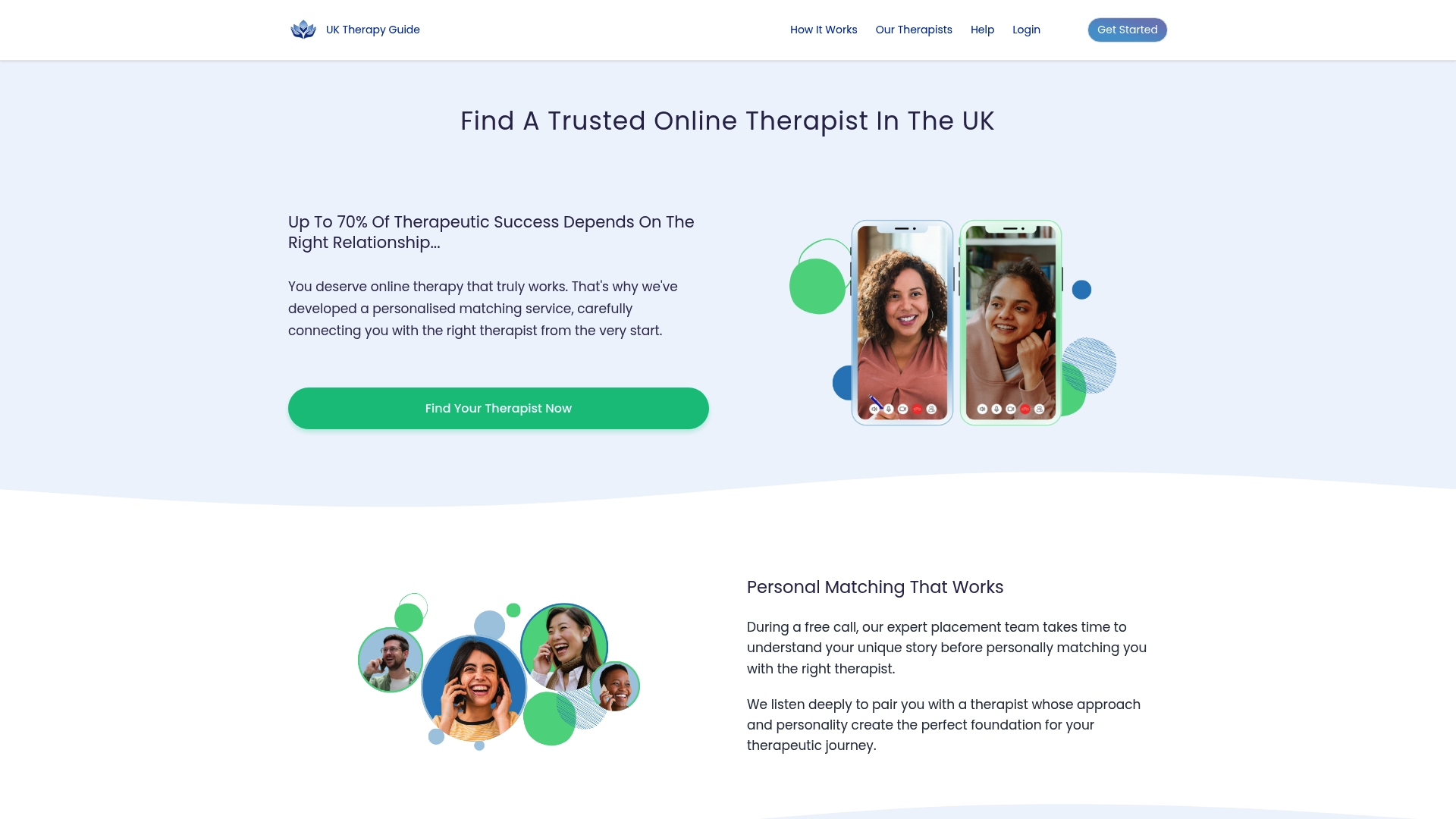
Human-led personalised matching driven by the founder's direct interviews with therapists is the platform's standout feature and shapes how clients are matched to practitioners. The vendor states it has operated for over 13 years and that practitioners are checked against UK professional bodies such as UKCP, BACP and BABCP.
Core Features
- Personalised matching through an expert placement team that collects client preferences and therapeutic goals.
- Strict vetting with accreditation checks and interviews to screen qualifications and practice standards.
- Flexible formats including both in-person and online sessions to suit different schedules and needs.
- Ongoing guidance from the platform during the first few sessions to help when changes of therapist or adjustments are needed.
Key Differentiator
The service centres on a human placement team led by the founder's clinical experience, which includes direct interviews with therapists rather than an algorithmic match. That hands-on matching aims to raise the chance of a good therapeutic fit, particularly for complex needs such as trauma or couples work.
Pros
- Rigorous vetting process that supports higher confidence in therapist credentials and professional membership.
- Personal matching reduces time spent searching and lowers the risk of repeated therapist changes early in care.
- Wide modality coverage including CBT, psychodynamic and trauma-informed approaches which helps when a client needs a specific therapeutic orientation.
- Offers both online and face-to-face options so clients who travel for work or have mobility limits still access care.
- The founder's experience shapes platform standards and the placement team's approach, which clients frequently cite as reassuring.
Cons
- Mixed user reviews note occasional lapses in customer service responsiveness which can be frustrating when appointments change.
- There are reported billing disputes and last-minute cancellations tied to individual therapists rather than the platform itself.
- Therapist availability and experience vary because practitioners operate independently, so consistency depends on the clinician you are matched with.
- Generally higher session fees than NHS options, reflecting private practice rates rather than public provision.
When It May Not Fit
If you live outside the UK or expect an entirely automated, instant-match experience, this platform will feel slow or misaligned. Clients wanting only guaranteed local, in-person appointments should check regional therapist availability first. For those prioritising the cheapest possible option, NHS or low-cost counselling may be preferable.
Who It's For
People in the UK prepared to invest in private therapy who value human curation, professional accreditation and either online or clinic-based sessions. It suits those avoiding long NHS waits and organisations seeking vetted external support for employees.
Real World Use Case
A client struggling with anxiety and limited local appointments completes a free assessment with the placement team. They are matched to a therapist experienced in anxiety management, start online sessions within weeks, and receive platform support when scheduling adjustments are needed.
Pricing
Sessions vary by therapist and format, typically running between £55 and £150+ per session. Some therapists offer discounted blocks or ongoing package rates. There is no subscription; clients pay per session directly to their therapist.
Website: https://uktherapyguide.com
Comparing Online Therapy Services
In this section, we analyse key differences across three prominent online therapy platforms, evaluating how well they meet diverse needs for accessibility, costs, service offerings, and unique features.
Integration of Digital Tools
MySafeTherapy distinguishes itself by combining live sessions with AI-supported journaling and mood tracking. This structure ensures continued self-driven engagement between therapy appointments. In comparison, Augmentive and UK Therapy Guide focus on providing access to a wide network of professionals but lack these self-help digital components, concentrating instead on personalised therapist selection or blended care pathways. Users focusing on tools for regular self-management alongside therapy may prefer MySafeTherapy's integrated approach.
Personalised Matching and Care Pathways
UK Therapy Guide excels in its human-driven matching service, ensuring therapists are specifically chosen for the client's therapeutic goals and preferences. This meticulous process benefits those with complex needs, such as trauma or couples' therapy, where rapport and specific expertise are critical. MySafeTherapy's and Augmentive's platforms utilise different mechanisms emphasizing speed and accessibility over extensive matching deliberation. Those needing immediate sessions might prioritise these alternatives instead.
Pricing and Accessibility
While MySafeTherapy offers a budget-friendly model through transparent and inclusive pricing starting at £9/month for self-help tools and £49 per session for professional guidance, Augmentive provides broader health services beyond therapy, but with higher associated costs, often ranging from £90 to £650 per session. Cost-sensitive clients might find MySafeTherapy's pricing structure more adaptable to their financial capabilities.
Best Fit Recommendations
- Choose MySafeTherapy for an affordable combination of professional therapy and engaging digital tools for sustained self-support.
- Consider UK Therapy Guide if a curated therapist matching process is central to your needs, especially for tailored approaches such as trauma care.
- Opt for Augmentive when combining therapy with integrated psychiatry and medication services, despite the higher costs associated with such options.
Our Pick: MySafeTherapy
MySafeTherapy stands out for individuals prioritising a configurable and cost-effective therapy solution that pairs human-led guidance with continuous personal engagement through advanced digital tools. However, clients needing international access or highly specialised services involving complex pathways might explore the alternatives, given the advantages those platforms provide under such circumstances.
Online Therapy Platforms Comparison
Choose the right online therapy platform seamlessly blending live sessions and digital self-help tools for your needs.
| Platform | Core Feature | Key Differentiator | Pricing | Notable Limitation |
|---|---|---|---|---|
| MySafeTherapy | UK-accredited therapists with AI-supported tools | Integration of AI for therapy continuity | £49/per session; self-help from £9/month | Restricted to users within the UK |
| Augmentive | Broad neurodiversity and mental health coverage | CQC-regulated rapid assessment marketplace | £90 to £650 per session, varies by service | Premium fees and varied specialist availability |
| UK Therapy Guide | Therapist matching through human consultancy | Personalised placement by qualified teams | £55–£150+ per session | Variability in service consistency due to independently operating therapists |
Discover a More Accessible Path to Therapy with Mysafetherapy
Finding a trusted online therapy platform that balances affordability, privacy and personalised care can feel overwhelming when exploring mysafetherapy.uk alternatives. If you seek UK-accredited therapists with flexible formats including video, chat and even avatar-based sessions, Mysafetherapy offers a practical solution that fits busy schedules without compromising confidentiality.
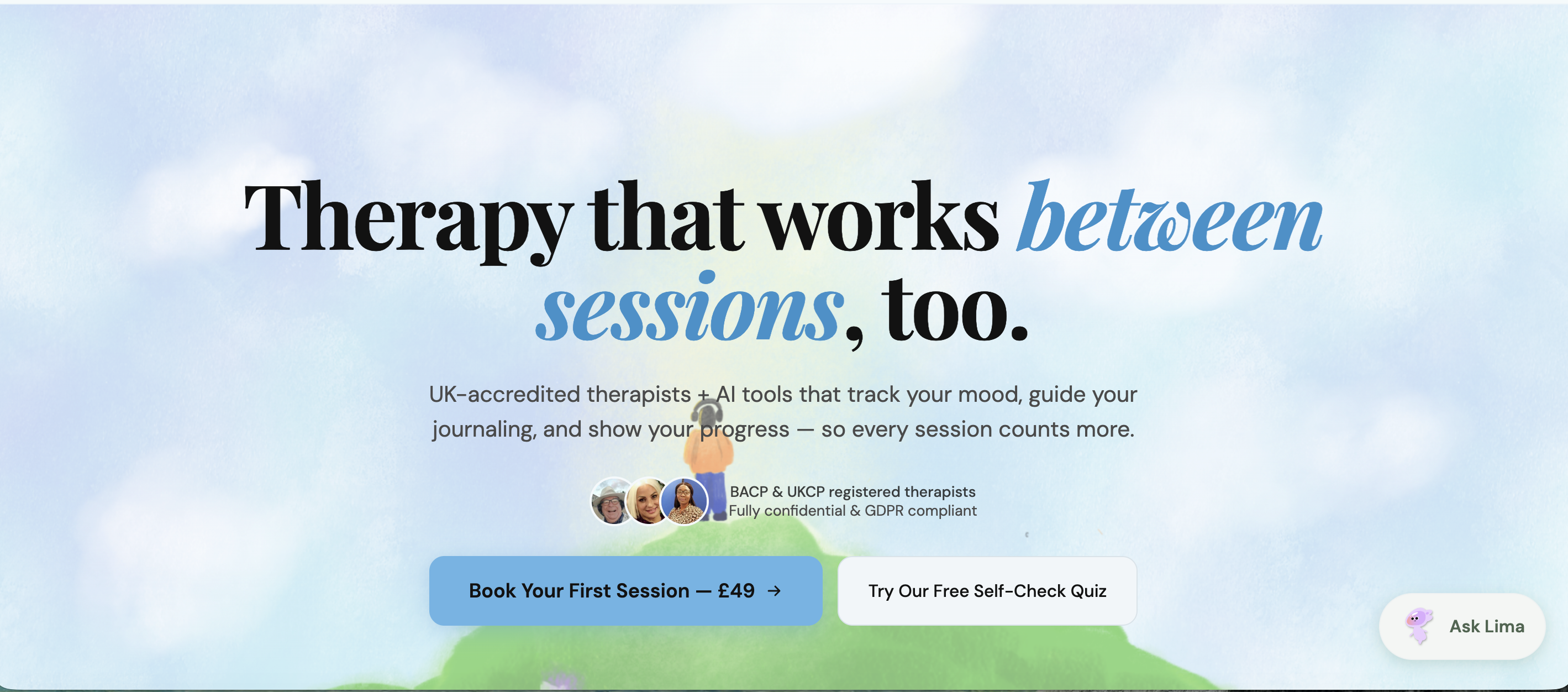
Benefit from transparent pricing starting at £49 per session and supportive AI journaling and mood tracking tools that help maintain progress between appointments. Visit Mysafetherapy now to book your initial session easily and experience therapy designed around your needs and comfort.
Frequently Asked Questions
How does Mysafetherapy support ongoing client progress between sessions?
Mysafetherapy incorporates AI-supported self-help tools like journaling and mood tracking for continuous client engagement. This feature allows therapists to review mood trends and journal entries, making therapy sessions more focused and effective. To leverage this benefit, clients can engage with the platform’s tools regularly between appointments.
What is the difference between Mysafetherapy and Augmentive?
Augmentive provides rapid access to a network of over 1,000 vetted mental health professionals and combines both online and in-person care. In contrast, Mysafetherapy excels in offering a blend of live sessions with AI-driven self-help tools while reducing session repetitions. If you prefer an integrated approach with self-help augmentation, Mysafetherapy might be the better choice.
Which platform offers lower upfront costs for therapy sessions?
Mysafetherapy starts therapy sessions at £49, making it more affordable compared to many competitors. This transparent pricing structure allows clients to explore therapy without a hefty financial commitment upfront. Consider starting with Mysafetherapy for an accessible entry into therapy services.
Can individuals outside the UK use Mysafetherapy?
No, Mysafetherapy is limited to users within the UK, restricting access for expatriates or individuals outside UK jurisdiction. This limitation is significant if you are seeking therapy services while residing elsewhere, so keep it in mind when considering options.
Does Mysafetherapy prioritise privacy in therapy sessions?
Yes, Mysafetherapy states that it adheres to GDPR compliance and employs encryption measures, ensuring client confidentiality. This focus on privacy is essential for clients prioritising secure and confidential therapy. If privacy is a key concern for you, Mysafetherapy’s commitment to these standards should reassure you.