

Finding online therapy services that provide flexible booking, clear pricing, and real therapist accreditation is harder than expected. Many platforms restrict therapist choice, lack transparent session costs, or do not support immediate remote access. This comparison details session models, pricing, and therapist accreditation so adults and employers can choose a service that matches professional and privacy needs without trial bookings.
Table of Contents
- MySafeTherapy
- Harley Therapy Platform
- Choose Therapy
- Online Therapy UK
- BetterHelp
- Harley Therapy
- Comparison of alternatives
MySafeTherapy
At a Glance
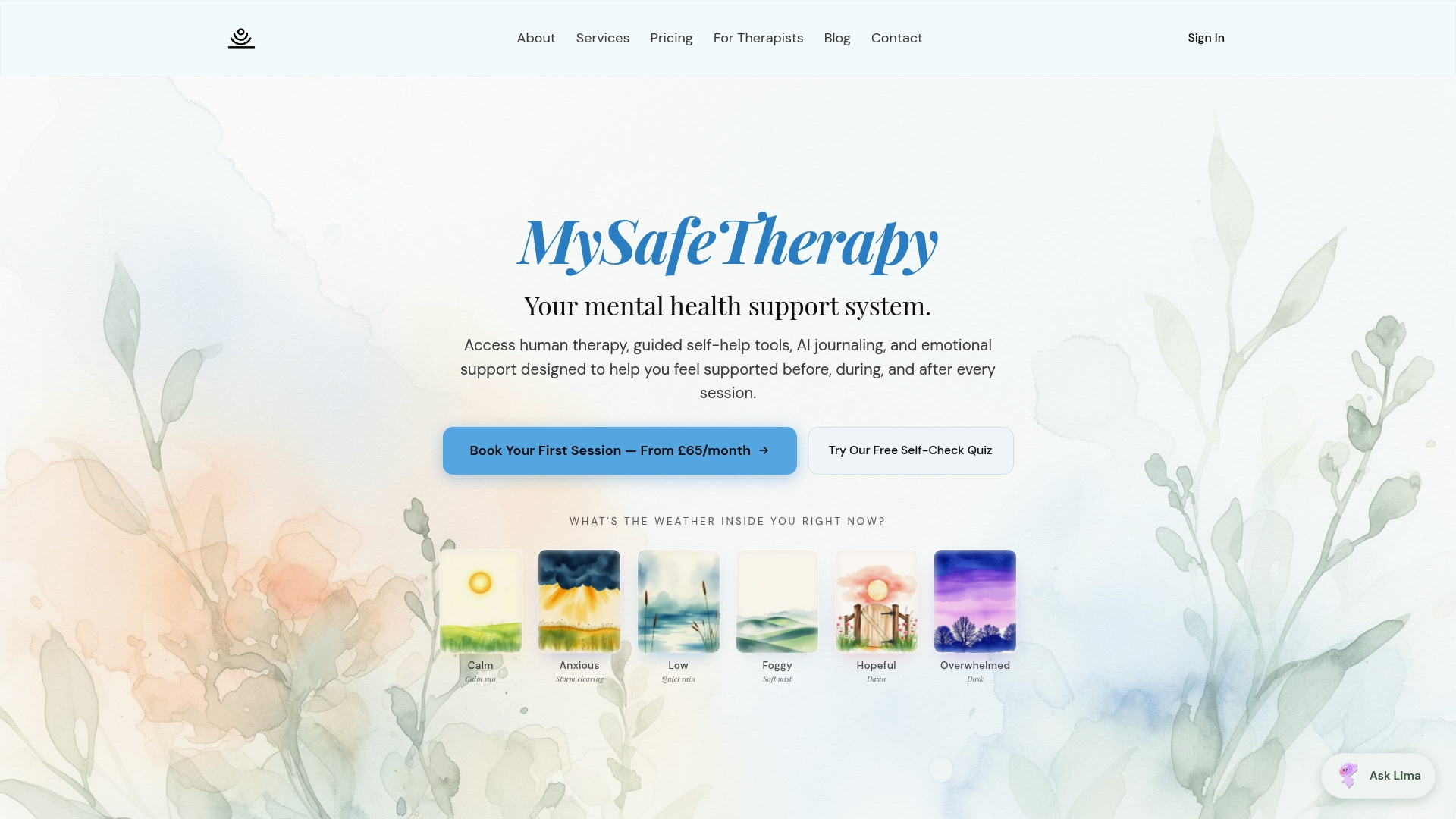
Avatar based therapy sessions replace live video with a custom avatar to protect identity during treatment. Quick, referral free booking reduces wait times for people seeking support. Self help tools start at £14.99/month while therapy begins at £65/month.
Core Features
The vendor advertises that therapists are registered with BACP, UKCP, and NCPS. Sessions run by video, phone, messaging, and avatar options, alongside mood tracking and AI guided journaling that feed simple progress insights. The platform also offers targeted programmes for anxiety, burnout, relationships, and trauma, plus workplace support and GDPR centred privacy.
Key Differentiator
Integration of human therapy with AI guided self help tools sits at the product centre. That integration pairs scheduled clinical sessions with daily digital engagement, keeping therapeutic work active between appointments. Referral free booking in a privacy focused environment shortens the time from decision to first session.
Pros
Accessible formats mean people can book evening or weekend sessions and avoid long travel times, which suits busy schedules and employer programmes. Between session features such as mood tracking and AI guided journaling help people record triggers, measure short term change, and prepare for therapy conversations. Fast therapist matching and transparent pricing reduce administrative friction, and the platform supports therapists who want to add digital engagement to clinical practice.
Cons
- The long term effectiveness of AI guided self help is still being studied, and those tools should not replace clinical judgement or crisis care.
Who It's For
People in the UK seeking flexible, private mental health care will find this platform useful. It fits busy professionals who need evening or weekend slots and employers offering staff support. Therapists who want to combine live sessions with digital between session tools will also find practical value.
Unique Value Proposition
From £14.99/month for self help tools, with therapy starting at £65/month, the pricing lets you maintain daily mood tracking and journaling while keeping human sessions on a set schedule. That split lowers the marginal cost of ongoing engagement and lets clinical time focus on deeper therapeutic work. For people balancing work and family, the model keeps continuity without frequent travel.
Real World Use Case
A busy professional books weekly video sessions without a referral and uses daily mood tracking plus AI journaling between appointments. They log symptoms, review progress insights, and switch therapist easily if the match falters. The approach removed commute time and kept therapy consistency during a demanding work period.
Pricing
Pricing starts from £14.99/month for self help tools and from £65/month for therapy. The platform advertises clear price labels and flexible session frequency to match different budgets and clinical needs.
Website: https://mysafetherapy.com
Harley Therapy Platform
At a Glance
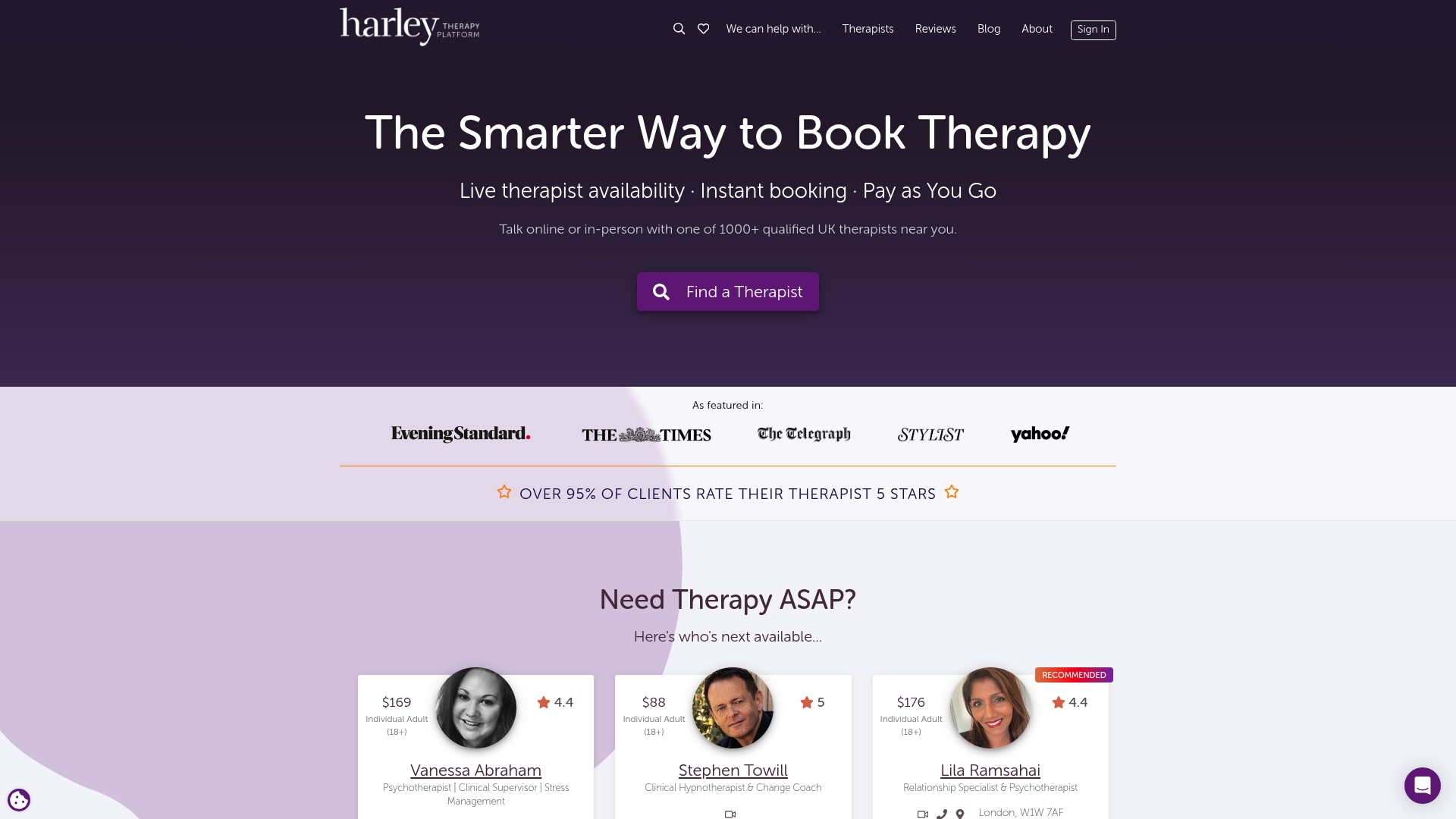
Harley Therapy Platform reports over 9,000 client reviews on therapist profiles. The site connects clients to UK therapists for online and in person sessions across a wide geography. The platform emphasises professional standards and client choice while offering a simplified booking system and practice management tools.
Core Features
Clients can book both online and face to face sessions and view real time therapist availability calendars. Profiles list specialisms, verified reviews, and therapeutic approaches. That figure appears on profiles and helps clients compare practitioners quickly. Secure payments, billing, and client record storage handle administrative tasks and appointment notes.
Key Differentiator
The platform focuses on supporting independent UK therapists with practice management, marketing, and secure client access. It bundles marketing support and client access tools with practice management features aligned to UK accreditation norms. That combination suits clinicians who prefer to concentrate on clinical work while the platform supports client attraction.
Pros
It supports a large community of UK therapists and offers flexible scheduling alongside practice management tools. Therapists receive marketing support that can increase visibility in searches and appointment bookings. Profiles include verified client reviews and detailed specialisms, which help clients make informed choices. The pay per session model avoids subscription fees and simplifies billing for clinicians and clients.
Cons
-
Feedback indicates some clients experience impersonal communication and administrative errors. That feedback appears in third party sources.
-
There are reports of unprofessional behaviour and slow responsiveness from certain therapists. That issue can disrupt continuity of care.
-
The platform's system complexity may make booking and navigation difficult for some people. New therapists may need training to use all available tools.
When It May Not Fit
An invite only application process limits how quickly new therapists can join the network. Clinicians who need immediate onboarding will find delays due to the invite only intake. Clients who need rapid replies might be put off by inconsistent therapist responsiveness and occasional administrative errors. Therapists who prefer minimal software will find the learning curve steep and may require extra support.
Who It's For
Best fit for UK registered clinicians building or expanding a private practice and seeking client referrals. Also suited to clients wanting verified therapist profiles and the option of face to face or online sessions. Therapists who value marketing help and administrative tools will find the platform useful. Not the best choice for people seeking only NHS referrals.
Real World Use Case
A London client scans profiles, reads verified reviews, and books an online assessment using the calendar. The therapist manages appointments, secures payment, and updates notes within the platform's client management area. The client receives confirmation and a secure payment receipt before the session. That workflow reduces administrative exchanges and keeps records organised for both parties.
Website: https://harleytherapy.com
Choose Therapy
At a Glance
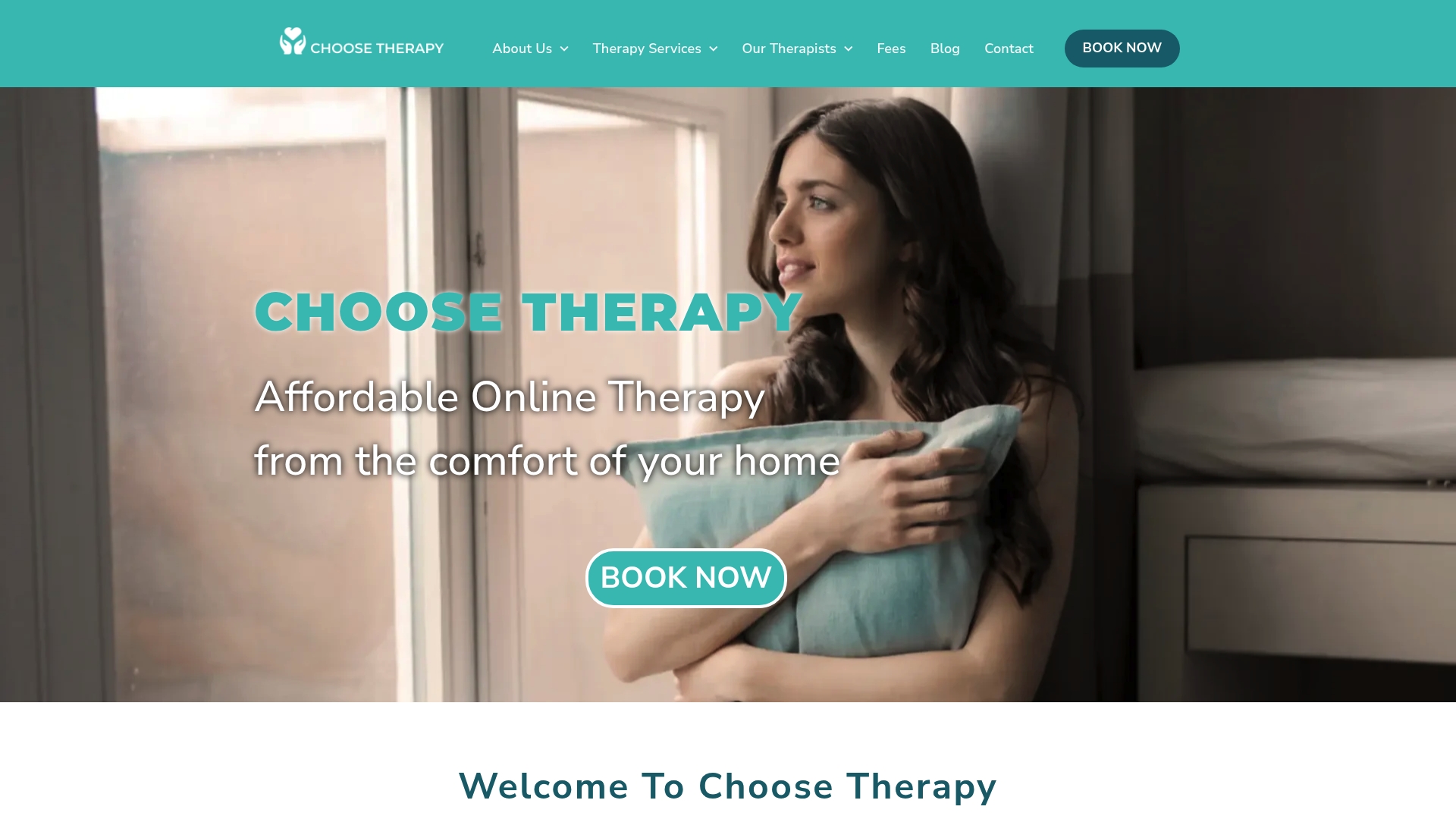
Sessions cost £42 per session, and clients face no limit on number of sessions. The service advertises immediate booking and therapist choice from a vetted pool. Sessions use secure video calls or online messaging within UK professional standards.
Core Features
The platform offers fixed-price therapy at £42 per session with flexible frequency and no cap on sessions. Clients choose and switch therapists from a pool who follow BACP or UKCP standards, and sessions run mainly by encrypted video with messaging as an option. Bookings are immediate and managed through the online interface.
Key Differentiator
The defining feature is client autonomy. People can pick and change therapists without session limits while remaining under professional supervision and UK ethical codes. That combination gives users control rarely offered by traditional private providers.
Pros
Choose Therapy removes travel barriers by running sessions online, which suits people with mobility, time, or regional constraints. The flat fee is lower than many private rates, so costs remain predictable for ongoing care. Therapist choice improves comfort and engagement, and the emphasis on professional supervision and adherence to UK ethical standards supports safety and trust.
Cons
- Limited independent review data exists publicly, so broader user satisfaction is not well documented.
- Long-term outcome data and detailed user experience reports are sparse in public sources.
- The service operates only for UK residents, so it is not available internationally.
When It May Not Fit
People outside the UK cannot use the service because access is restricted to UK residents with internet access. Those needing face-to-face therapy will find the online-only model unsuitable. Organisations seeking integrated clinical record systems or institutional contracting should look elsewhere because this offering centres on individual bookings.
Who It's For
UK adults who want affordable, flexible online counselling and value the ability to choose their therapist. It suits people with anxiety, depression, stress, grief, or relationship difficulties looking for ongoing support. It also fits clients who prefer to avoid long waiting lists.
Real World Use Case
A worker experiencing workplace anxiety books weekly video sessions at the flat rate and tries a different therapist after two weeks to improve rapport. The user keeps sessions as often as helpful without budget surprises. Sessions continue confidentially from home and the therapist operates under recognised UK professional standards.
Pricing
Pricing is simple and transparent. The stated cost is £42 per therapy session, billed per session with no published subscription tiers or package discounts.
Website: https://choosetherapy.co.uk
Online Therapy UK
At a Glance
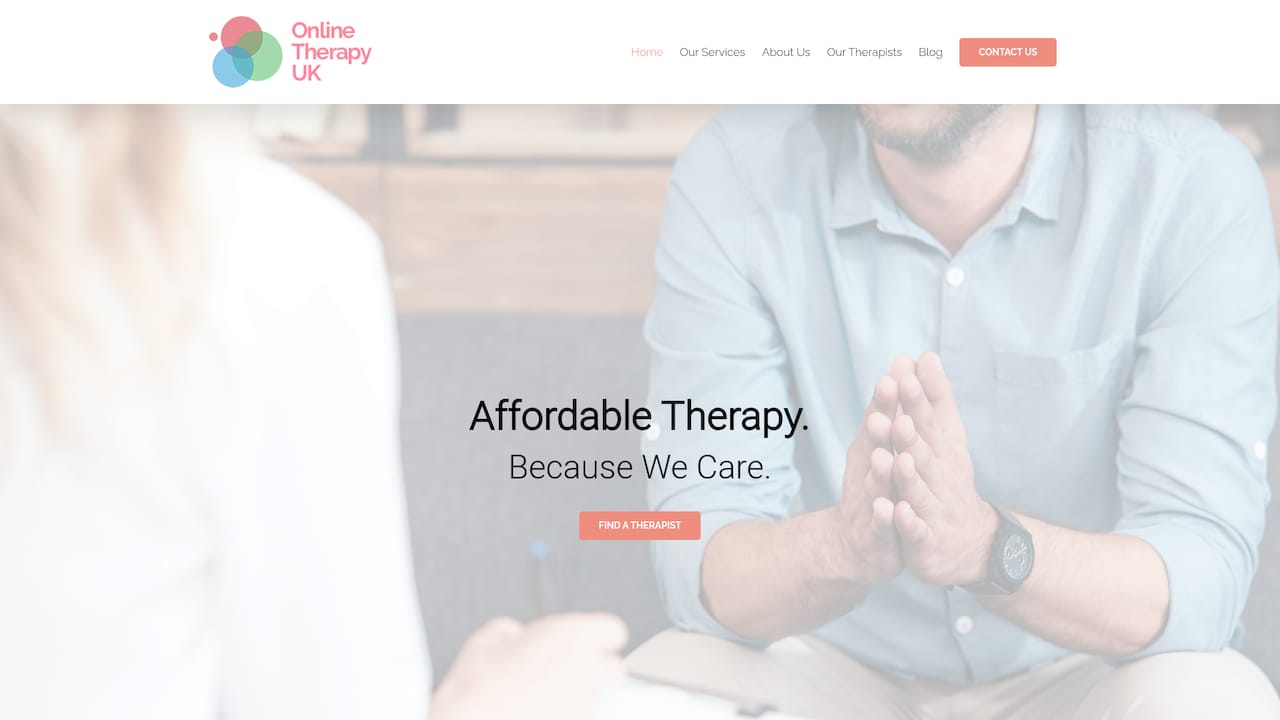
£29 trainee sessions are available as a permanently listed option. According to the company, the platform emphasises research-backed effectiveness alongside flexible pricing and remote delivery. The service pairs people with either fully qualified or trainee therapists to widen access to therapy from home.
Core Features
The site matches clients with qualified and trainee therapists across several modalities, including CBT, person centred, attachment based, and gestalt approaches. It supports an online booking system for flexible scheduling and provides secure video and phone sessions to protect privacy. Both standard fee and low cost trainee led therapy options are available to suit different budgets.
Key Differentiator
The primary distinction is the combined offering of fully qualified and trainee therapists within one platform. That mix lets people choose lower priced trainee led sessions or higher fee qualified therapists without switching providers. The model makes affordability an explicit part of the service design.
Pros
The platform delivers affordable and accessible mental health support from home, with clear pricing tiers that include trainee led options. Its matching process moves swiftly, which reduces the time between sign up and first appointment. A broad range of therapeutic approaches and flexible scheduling suit adults with varied needs and busy timetables. Secure video and phone sessions preserve confidentiality and suit people who prefer remote care.
Cons
-
Some users report poor communication and unresponsiveness from administrative staff, which can delay booking or follow up.
-
A minority of people experience difficulties with booking or rescheduling appointments through the system.
-
The service operates exclusively online, so in-person sessions are not available.
When It May Not Fit
If you need face to face sessions in your local area, this platform will not match that requirement. Clinics that rely on an on-site intake or group therapy will find the online only model restrictive. Organisations seeking integrated in-person and remote pathways should look elsewhere.
Who It's For
Adults in the UK who prefer therapy from home and need flexible appointment times will benefit most. People on a tight budget who want lower cost trainee led therapy will find a practical route to support. Those who prioritise digital confidentiality and remote access will also fit this service well.
Real World Use Case
A professional with work related anxiety books weekly online CBT with a qualified therapist through the platform. They attend sessions by video and use strategies learned in therapy to manage daily stress. The option to switch to trainee led sessions later helps them manage costs while maintaining continuity of care.
Pricing
Prices run £45–£55 for standard therapy and £29 for trainee led sessions. The listing suggests per session fees with the lower bracket aimed at trainee appointments and the higher bracket for fully qualified therapists.
Website: https://onlinetherapyuk.co.uk
BetterHelp
At a Glance
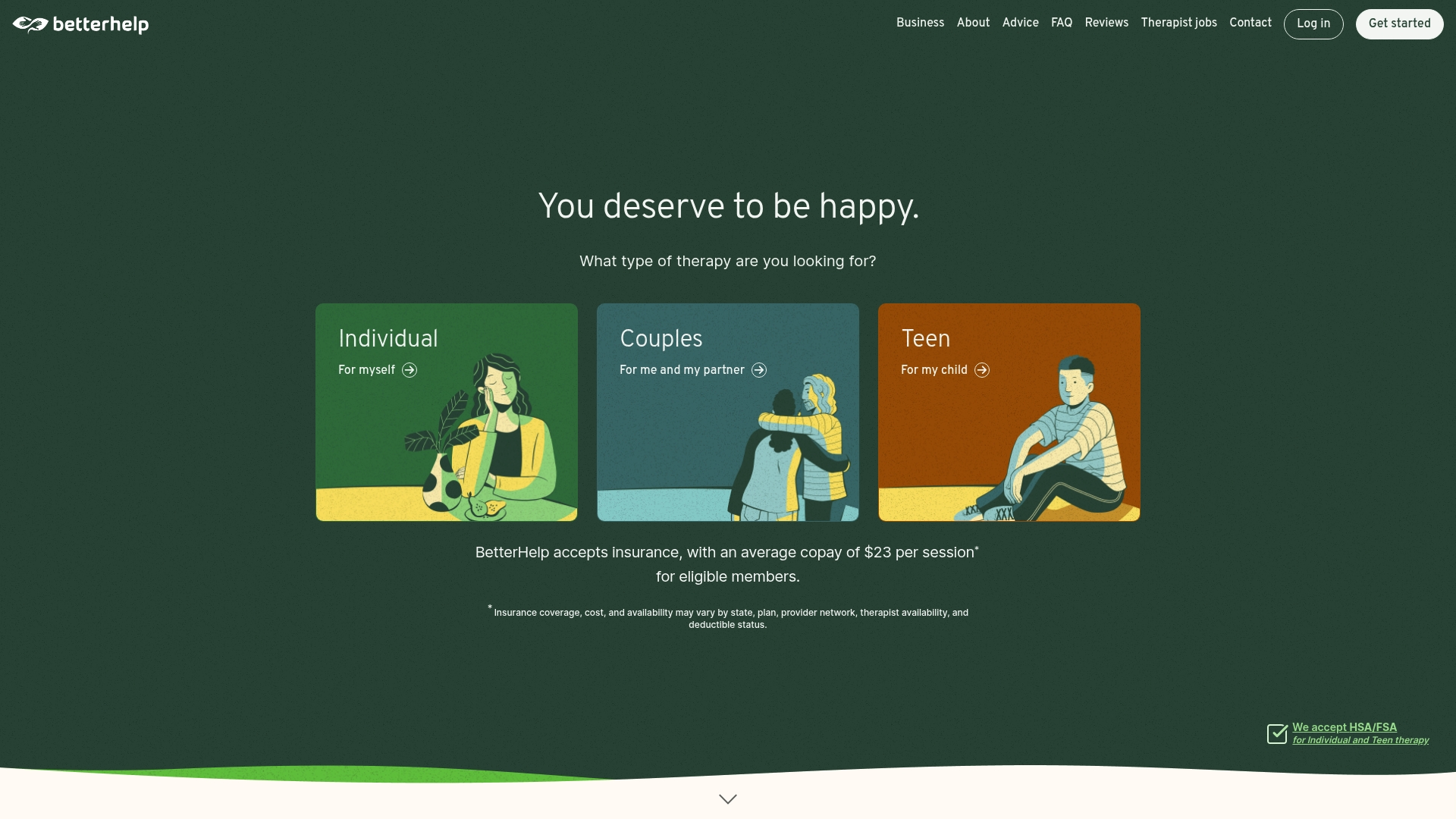
BetterHelp reports more than 31,000 licensed therapists in its network. That scale supports a wide range of specialisms and offers rapid matches for many presenting problems. The platform centres on remote contact and self-guided materials rather than in-person care. Expect convenient access from anywhere with an internet connection.
Core Features
BetterHelp combines synchronous and asynchronous contact with a therapist, including messaging, chat, phone, video sessions and flexible scheduling. The service pairs you with a clinician based on preferences and offers digital worksheets and therapy modules for independent practice. Group seminars and straightforward provider switching add options for ongoing support.
Key Differentiator
The vendor advertises its scale and the ability to bill insurance alongside subscription options. That emphasis on breadth and financial pathways sets BetterHelp apart from smaller, clinic-based services. For many people the promise of choice across modes and clinicians is the defining feature.
Pros
Remote access makes therapy possible for people who cannot attend clinics due to work, mobility, or location. The variety of contact modes reduces friction for busy schedules and supports short message check-ins between sessions. Financial flexibility is notable since the platform offers subscription pricing and the company reports insurance billing options and FSA or HSA acceptance. Digital tools and group seminars provide extra structure for homework and skill practice.
Cons
- Reports exist of billing transparency problems and unexpected charges from third-party reviews. These complaints may complicate budgeting for long-term care.
- Some reviewers note therapist absenteeism or poor preparation. That variability is inherent when working with a very large provider pool.
- Customer service can be hard to contact and slow to resolve disputes. Delays can be frustrating when administrative errors affect care.
- The platform has little or no in-person provision. People needing face-to-face treatment will need a different provider.
When It May Not Fit
Do not use BetterHelp for urgent or crisis needs requiring immediate, in-person intervention. People who need regular face-to-face sessions will find the online-only model limiting. Those seeking strict billing clarity or local NHS access might prefer a clinic with direct invoicing and transparent per-session receipts.
Who It's For
Adults, teens, and couples who are comfortable with online communication and want flexible appointment times will benefit most. It suits people managing mild to moderate anxiety, depression, relationship issues, or stress who can engage in remote therapy. It also fits those who value the option to switch providers without travel.
Real World Use Case
A remote-working professional uses BetterHelp to manage anxiety and work stress. They exchange messages for brief check-ins, book fortnightly video sessions, and complete digital worksheets between appointments. When the match is poor they request a new clinician and continue care without visiting a clinic.
Pricing
Pricing starts at $70–$100 per week, billed as a subscription with a flexible cancellation policy. The platform reports an average insurance copay of $23 per session for eligible members. Exact costs depend on insurance acceptance and the plan chosen.
Website: https://betterhelp.com
Harley Therapy
At a Glance
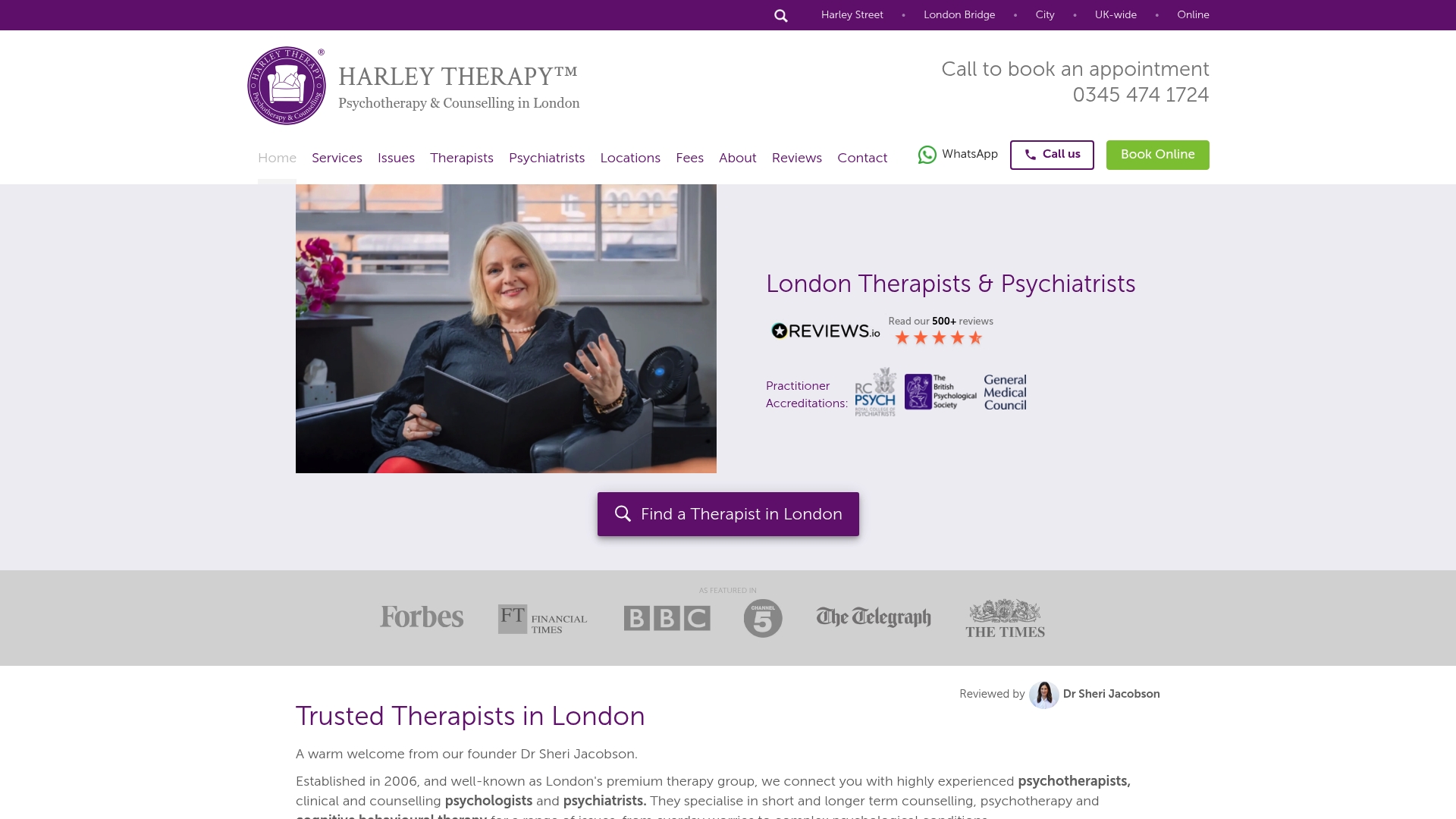
Harley Therapy reports it has operated since 2006 and maintains clinics on Harley Street, London Bridge, and the City while offering UK-wide online sessions. That history underpins a network of accredited practitioners with NHS and private-sector backgrounds. The service mixes psychiatric assessments, couples work, and short to long-term psychotherapy. This breadth suits clients seeking clinical depth alongside flexible access.
Core Features
Harley Therapy runs in-person therapy rooms in central London and offers remote sessions across the UK, with online booking and telephone or WhatsApp arrangements. The service covers counselling, psychotherapy, and psychiatry and includes specialised programmes such as CBT, couples counselling, and formal assessments. Practitioners are selected for accredited qualifications and private and NHS experience, and the clinic supports both single sessions and multi-session packages.
Key Differentiator
The clinic’s main distinction is its longstanding London focus combined with a strict selection of practitioners. That combination delivers a dense local roster on Harley Street while also supporting remote clients across the UK.
Pros
That long operating history supports a sizable practitioner pool and a standard of accreditation that many clients expect. Multiple central London locations coupled with nationwide online sessions make scheduling straightforward for city-based and remote clients. The offering spans brief counselling through formal psychiatric evaluation, which helps when clinical assessment and therapy must sit under the same roof. Administrative channels include online booking and phone or WhatsApp contact, which many clients find convenient.
Cons
- Mixed third-party feedback highlights occasional unprofessional interactions and administrative errors, which some clients report.
- Client experiences are polarised; some report dissatisfaction with particular clinicians or assessment quality.
- Communication issues appear intermittently, including booking and follow-up mistakes.
- Practitioner standards vary in practice, so not every clinician will match the highest expectations.
When It May Not Fit
Harley Therapy may not suit people who need free or very low-cost support, because fees reflect private-sector rates. Clients who require absolute consistency across every practitioner may find variability frustrating, given mixed reviews of some clinician experiences.
Who It's For
This service fits adults or couples who prioritise accredited clinical experience and are comfortable with private or insurance-backed payments. It is useful for people based in London who want discreet, face-to-face appointments and for UK residents who prefer the option of remote therapy. Employers seeking staff mental health workshops may also find the assessment and psychiatric services appropriate.
Real World Use Case
A client with work-related stress books an online session with a qualified psychotherapist, then attends weekly therapy over three months. After therapy, the client receives a psychological assessment to clarify diagnosis and next steps. The combination of remote access and experienced clinicians helps with continuity of care and planning.
Pricing
Harley Therapy states that session fees generally range from £80 to £180 per appointment depending on location and practitioner. Assessment reports and psychiatry carry additional costs, and some packages reduce per-session cost for block bookings. Payment options include self-pay and common private insurers such as BUPA and Cigna where accepted.
Website: https://harleytherapy.co.uk
Comparison of alternatives
When comparing online therapy services, each provider demonstrates distinct strengths, making the choice dependent on individual needs and priorities.
Pricing and Accessibility
Choose Therapy offers a highly affordable option with its flat £42 per session pricing model, appealing to people seeking professional support without financial surprises. Online Therapy UK provides even greater access to therapy by including trainee-led sessions priced at £29, enabling users with budget constraints to receive support. These pricing structures contrast with MySafeTherapy’s monthly plans, which integrate self-help tools starting at £14.99 alongside therapy options starting at £65 per month, offering continuous engagement through its tools even between sessions.
Integrated Features
MySafeTherapy excels in combining traditional therapy with AI-assisted self-help programmes. Self-help features like mood tracking and guided journaling offer daily therapeutic engagement. While BetterHelp provides supplementary tools such as digital worksheets and group seminars, the lack of AI-guided integration and its subscription pricing pose a consideration for choosing between options. Harley Therapy delivers accreditation assurance and access to in-person sessions, appealing to clients prioritising traditional models over digital engagement.
Best fit
- Flexible self-help tools paired with therapy support suit users seeking continuous therapeutic engagement without a referral, as offered by MySafeTherapy.
- Clients prioritising face-to-face therapy or traditional assessment may favour Harley Therapy’s focus on central locations and accredited practitioners.
- Those weighing affordability for individual therapy without subscription commitments may appreciate Choose Therapy’s flat £42 per session pricing.
- Budget-conscious users exploring lower-cost trainee-led therapy will benefit from Online Therapy UK’s unique accessible options.
- Remote sessions without clinical interaction, ideal for a broad selection of therapists and session modes, are addressed well by BetterHelp.
Our pick
MySafeTherapy stands out for its integration of AI-driven self-help tools alongside traditional therapy formats, providing daily engagement for individuals seeking mental health care. This platform particularly benefits users who value flexible appointment scheduling and the ability for therapeutic work to continue between sessions. However, those prioritising the lowest possible price for one-off sessions or face-to-face therapy may find alternatives better suited to their needs.
Here is a comparison of online therapy services highlighting key features, pricing, and unique advantages:
| Service | Best for | Key differentiator | Pricing | Limitation |
|---|---|---|---|---|
| Mysafetherapy | UK professionals seeking flexibility | Combined human sessions and AI self-help | £14.99/month self-help, £65/month therapy | AI self-help tools not suited for crises |
| Harley Therapy | Clients valuing therapist choice | Supports independent therapists | Price not published | System complexity may hinder usability |
| Choose Therapy | Affordable, flexible online counselling | Transparent low fixed price | £42 per session | Limited public reviews of service |
| Online Therapy UK | Low-cost trainee therapy options | Offers trainee-led and qualified therapy | £29 trainee, up to £55 qualified | No in-person sessions available |
| BetterHelp | Remote clients prioritising flexibility | Expansive network, subscription pricing | $70–$100 per week | No in-person therapy services available |
Selecting Reliable Alternatives to pmc.ncbi.nlm.nih.gov for UK Mental Health Support
The search for trustworthy pmc.ncbi.nlm.nih.gov alternatives highlights common challenges such as timely access, privacy, and therapist accreditation. Many people need flexible mental health care that respects confidentiality and offers easy self-help alongside clinical support. Mysafetherapy provides UK-accredited therapists registered with BACP, UKCP, and NCPS, combined with avatar-based sessions and AI journaling to keep therapeutic progress confidential and personalised.
Mysafetherapy suits busy adults seeking evening or weekend appointments without referral delays. It integrates live clinical sessions with daily mood tracking and self-help tools starting from £14.99 monthly. Manage your care securely with full transparency and flexible session frequency by visiting Mysafetherapy. Begin matching with therapists who meet UK professional standards and reduce waiting times for mental health treatment.
FAQ
What features does Mysafetherapy offer for ongoing support between sessions?
Mysafetherapy provides mood tracking and AI guided journaling to help clients measure short-term changes and prepare for therapy conversations. These features facilitate continuous self-reflection and engagement in their mental health journey. Clients can expect to actively monitor their progress to inform their upcoming sessions.
How does the pricing of Mysafetherapy compare to Choose Therapy?
Choose Therapy offers fixed pricing at £42 per session, which is lower than the therapy starting price of £65 per session at Mysafetherapy. While Choose Therapy allows users to pick and change therapists without session limits, Mysafetherapy integrates human therapy with AI guided self-help tools for a more interactive experience. Users may prefer Mysafetherapy for its dual offering of therapy and self-help tools.
What is the difference between Mysafetherapy and BetterHelp regarding therapist availability?
BetterHelp has over 31,000 licensed therapists, providing clients with rapid matches for various concerns. Mysafetherapy also facilitates easy therapist matching but focuses specifically on integrating AI guided self-help tools with scheduled sessions. Users seeking a larger pool of therapists may find BetterHelp preferable, while those interested in continuous self-help support may choose Mysafetherapy.
Can I access Mysafetherapy's services if I need evening or weekend therapy sessions?
Mysafetherapy offers accessible formats that allow booking evening or weekend sessions, making it suitable for busy professionals. This flexibility accommodates those who might find it difficult to attend traditional therapy sessions during regular working hours.
What options does Mysafetherapy provide for self-help tools, and how do they enhance therapy?
Mysafetherapy starts offering self-help tools at £14.99/month, which includes mood tracking and AI guided journaling. These tools enhance therapy by allowing clients to maintain engagement and monitor progress between sessions, reinforcing the therapeutic process throughout the week.