

In this guide, "marriage counselling" means individual, therapist-led one-to-one online therapy for relationship and marriage problems, combined with digital self-help tools such as AI journaling and mood tracking. This is not couples or joint therapy. If you are ready to start, the fastest next step is to verify a therapist's membership on a PSA-accredited register such as BACP or UKCP, or contact Mysafetherapy directly to begin an assessment. Both routes give you access to accredited, UK-based therapists with documented training and ethical oversight.
Key takeaways
Individual online marriage counselling in the UK means one-to-one, therapist-led sessions focused on your own relationship patterns, supported by digital tools, with therapist credentials verified through PSA-accredited registers.
| Point | Details |
|---|---|
| Definition matters | "Marriage counselling" here means individual one-to-one online therapy, not joint couples sessions. |
| Verify credentials first | Check BACP, UKCP, or NCPS registration before booking; PSA accreditation confirms ethical oversight. |
| Timelines are realistic | Short-term shifts in communication patterns are often reported within 6–12 sessions; deeper work takes longer. |
| Blended tools help | AI journaling and mood tracking between sessions give your therapist concrete data and reinforce skills. |
| Mysafetherapy | Connects UK adults with BACP-, UKCP-, and NCPS-registered therapists for confidential individual online therapy. |
Table of Contents
- Who can deliver one-to-one online marriage counselling in the UK?
- How does one-to-one online marriage counselling work in practice?
- What therapy approaches are used in individual relationship work?
- How to choose a safe, qualified therapist for individual marriage counselling
- What do cost, frequency, and realistic timelines look like?
- Digital self-help and blended care options that complement therapy
- Safety, crisis guidance, and the limits of online therapy
- How to prepare for your first one-to-one online session
- Mysafetherapy's commitments to client safety and quality
- Mysafetherapy: how to start individual online therapy for relationship issues
- Sources
Who can deliver one-to-one online marriage counselling in the UK?
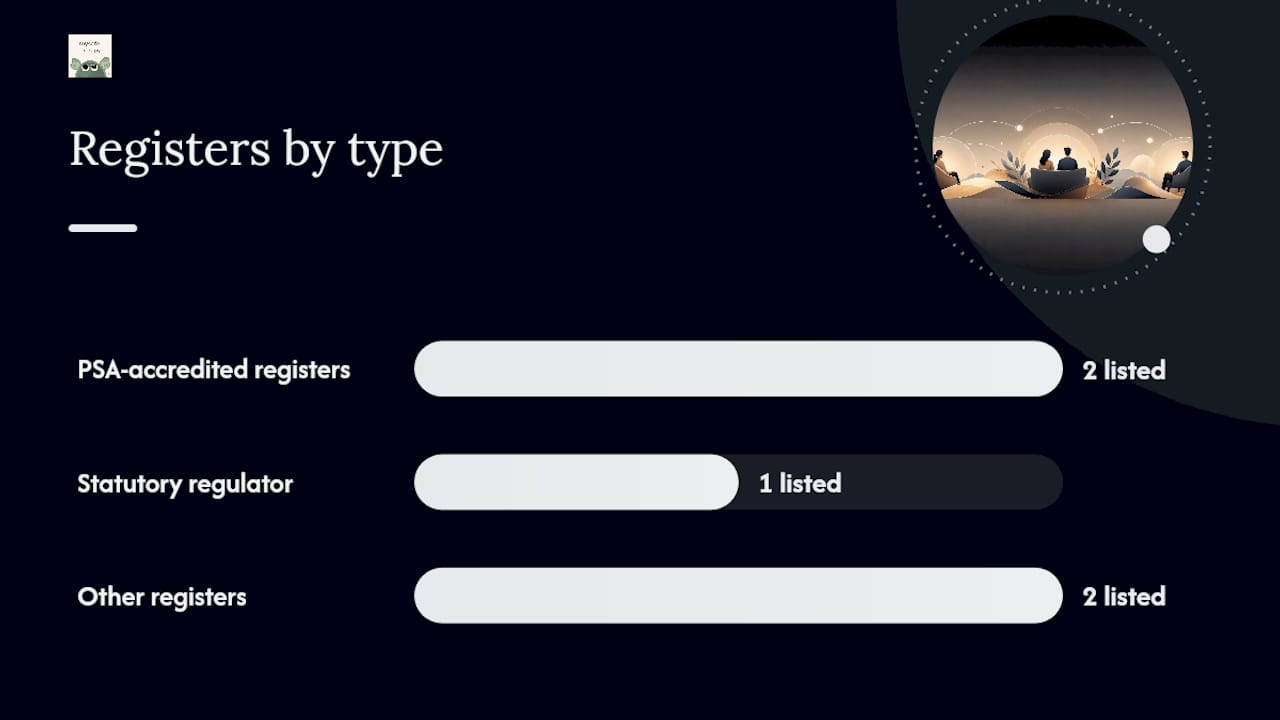
Professional titles in UK therapy are not all equal, and the distinction matters before you book. Titles such as "medical practitioner" and "registered nurse" are legally protected by statute. "Counsellor" and "psychotherapist" are not, which means anyone can technically use them. Parliamentary research confirms that voluntary registers and professional bodies fill this gap by setting training, supervision, and conduct standards, with the Professional Standards Authority (PSA) providing an additional layer of public assurance through its accreditation of those registers.
The registers worth checking are:
- BACP (British Association for Counselling and Psychotherapy): Its public register is PSA-accredited and signals adherence to training requirements, supervision, an ethical framework, and a complaints process. Read more about BACP's role for UK clients.
- UKCP (UK Council for Psychotherapy): UKCP's national register covers psychotherapists and psychotherapeutic counsellors and confirms that registrants meet recognised training and practice standards.
- NCPS (National Counselling and Psychotherapy Society): Another PSA-accredited register with its own training and ethical requirements.
- HCPC (Health and Care Professions Council): Statutory regulator for clinical psychologists and other regulated health professions.
- BPS (British Psychological Society): Relevant for chartered psychologists working in therapeutic roles.
The SCoPEd framework (amended 2025) sets minimum training, practice, and competency requirements across these bodies, including specific standards for online and telephone therapy. When reviewing a therapist's profile, check for: a registration number on a PSA-accredited register, documented qualifications, evidence of ongoing supervision and CPD, and a clear safeguarding policy.
Pro Tip: Use the accredited therapists guide to cross-reference a therapist's registration number directly on the BACP or UKCP public register before booking.
How does one-to-one online marriage counselling work in practice?
BACP confirms that online relationship counselling is an established, valid option and that individual work with one person present is a recognised approach. Format choices typically include video (closest to in-person contact), telephone (audio only, no camera required), text or chat (asynchronous or live), and avatar-based sessions (anonymous representation for those who prefer not to appear on screen). Mysafetherapy offers all four formats, including avatar therapy from £49 for those who want full anonymity.

A typical session runs 50–60 minutes. The first appointment is an assessment: the therapist gathers background, clarifies what you want to address, and agrees on goals and working arrangements. Subsequent sessions follow a structure agreed between you and your therapist, with progress reviewed periodically.
Confidentiality is a core professional obligation, but it has limits. Therapists are required to break confidentiality if there is a serious risk of harm to you or another person. Your therapist should explain these limits clearly in the first session. On the technical side, check that the platform uses encrypted video and complies with UK data protection law.
Pro Tip: Before your first session, find a private room, use headphones, and close other applications. A stable connection and a quiet space make a measurable difference to session quality.
What therapy approaches are used in individual relationship work?
Practitioners adapt several evidence-based modalities for individual clients addressing relationship and marriage problems. The core approaches are CBT (Cognitive Behavioural Therapy), emotionally focused concepts, attachment-informed work, and Gottman-influenced techniques, each adapted so that one person can shift the wider relationship dynamic without the other partner present. Individual online therapy often succeeds precisely because it lets one person examine and change their own interaction patterns without the complexity of managing both partners' reactions simultaneously.
| Client issue | Approach commonly used | What the individual client works on |
|---|---|---|
| Communication patterns | CBT | Identifying and reframing unhelpful thought cycles that drive conflict |
| Attachment wounds | Attachment-informed therapy | Understanding early relational patterns and how they surface now |
| Infidelity aftermath | Emotionally focused techniques | Processing grief, anger, and rebuilding a sense of self |
| Trust difficulties | Attachment-informed + CBT | Distinguishing past experience from present reality; trust issues therapy |
| Anger and reactivity | CBT + Gottman-influenced skills | Recognising triggers and practising de-escalation strategies |
For a broader overview of modalities available, see types of relationship therapy. If you have a preference for a specific approach, ask about it directly at first contact.
How to choose a safe, qualified therapist for individual marriage counselling
Start with one non-negotiable: the therapist must appear on a PSA-accredited register (BACP, UKCP, or NCPS) or hold a statutory registration (HCPC for clinical psychologists). Everything else builds from there.
Selection checklist:
- Verified registration number on BACP, UKCP, NCPS, or HCPC
- Documented qualifications at the level relevant to the work (SCoPEd column B or C for complex relational work)
- Active supervision and evidence of CPD
- Professional indemnity insurance
- Stated experience with relationship and marriage issues
- Clear safeguarding and data protection policies
Questions to ask before booking:
- Which therapy modality do you use, and how do you adapt it for individual relationship work?
- Do you have experience working online, and what platform do you use?
- Who supervises your practice?
- What is your cancellation policy, and how do I switch therapists if needed?
- How do you handle confidentiality, and what are the limits?
Red flags: no register information on the profile, evasive answers about safeguarding, no mention of supervision or CPD, and guarantees of specific outcomes. A practical guide to checking therapist registration covers these steps in detail, and what to look for in a therapist offers a useful external checklist.
Pro Tip: Book a single assessment session before committing to a package. Most qualified therapists welcome this, and it lets you evaluate fit without financial pressure.
What do cost, frequency, and realistic timelines look like?
Private online therapy in the UK typically costs more per session than NHS provision but offers significantly shorter waiting times and greater scheduling flexibility. Session frequency is commonly weekly or fortnightly at the start, reducing as progress is made.
On timescales: short-term, measurable shifts in communication patterns and emotional responses are often reported within 6–12 sessions. Deeper patterns rooted in attachment history may take considerably longer. Outcomes vary by individual, presenting issue, and therapeutic fit.
NHS talking therapies (formerly IAPT) are available without charge but carry waiting times that vary by area and are not always suited to the specific focus of individual relationship work. Private and platform-based options offer faster access and more control over therapist selection. Subscription models (such as Mysafetherapy's monthly plan) differ from pay-as-you-go arrangements in that they typically bundle a set number of sessions with self-help tools, which can reduce the per-session cost over time.
Digital self-help and blended care options that complement therapy
Blended care, combining therapist-led sessions with structured digital tools, can speed progress and improve between-session engagement. Mysafetherapy's AI self-help tools include AI journaling, mood tracking, guided CBT modules, and brief workbook journeys, all designed to support work between sessions.
How each tool helps:
- AI journaling: Prompts structured reflection on incidents or patterns, producing a record you can bring to sessions.
- Mood tracking: Identifies emotional trends over days or weeks, giving your therapist concrete data rather than recalled impressions.
- Guided CBT modules: Reinforce skills introduced in sessions and allow practice at your own pace.
- Workbook journeys: Short, structured programmes on specific themes (communication, self-worth, boundaries) that complement live therapy.
Before sharing any digital tool output with your therapist, check the platform's data policy. Confirm that session data is encrypted, stored in compliance with UK data protection law, and that you control what your therapist can access.
Safety, crisis guidance, and the limits of online therapy
Online one-to-one therapy is effective for a wide range of relationship and marriage issues. It is not a substitute for emergency services or urgent psychiatric care.
If you are experiencing thoughts of suicide or self-harm, or you believe someone else is at immediate risk, call 999 or go to your nearest A&E. For urgent but non-emergency mental health support, call NHS 111 and select the mental health option, or contact your local NHS crisis team. The Samaritans are available 24 hours a day on 116 123.
A qualified therapist is required to follow a safeguarding protocol if risk emerges during a session. This includes contacting relevant services and, where necessary, breaking confidentiality. Ask your therapist to explain their safeguarding procedure before your first session begins.
How to prepare for your first one-to-one online session
The first session is an assessment: the therapist will ask about your background, what has brought you to therapy, and what you want to achieve, then agree on working arrangements including confidentiality limits, record keeping, and cancellation terms.
Pre-session checklist:
- Test your device, camera, and microphone at least 15 minutes before the session
- Choose a private, quiet space where you will not be interrupted
- Have notes on key incidents, patterns, or concerns you want to raise
- Complete any consent or intake forms the platform sends in advance
- Know the platform's cancellation and therapist-switching policy before you start
You have the right to switch therapists at any point. A good platform makes this straightforward without requiring you to explain your reasons at length. If a therapist does not feel like a good fit after two or three sessions, switching is a reasonable and normal step.
Mysafetherapy's commitments to client safety and quality
At Mysafetherapy, we connect clients with UK-accredited therapists registered with BACP, UKCP, and NCPS. Every therapist on the platform holds documented qualifications, maintains active supervision, and works within a clear ethical framework. Sessions are available via video, phone, chat, and avatar formats, with evening and weekend slots to accommodate different schedules.
Our blended tools, including AI journaling, mood tracking, and guided self-help modules, are available alongside live sessions and are governed by a transparent data protection policy. Therapist switching is straightforward, pricing is clearly stated, and there are no hidden charges. If you are ready to begin, contact us to book an initial assessment.
Mysafetherapy: how to start individual online therapy for relationship issues
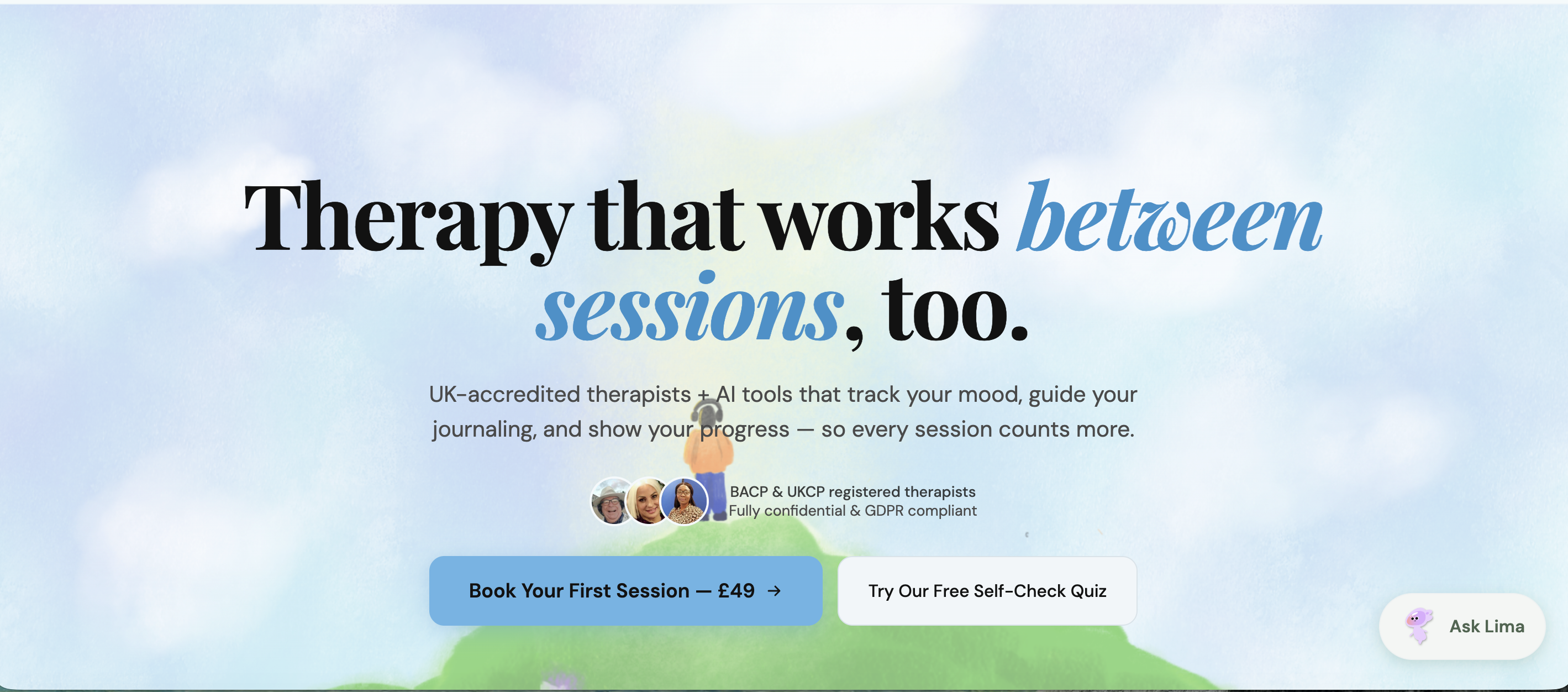
Mysafetherapy offers a direct alternative to long NHS waiting lists for individual relationship therapy. UK-accredited therapists, registered with BACP, UKCP, or NCPS, are available for one-to-one sessions in video, phone, chat, and avatar formats, with AI self-help tools included in the subscription.
Starting is straightforward: visit the start therapy page, browse accredited therapist profiles, and book an assessment session. If you prefer to speak with a specific therapist first, you can book directly with a therapist to confirm fit before committing. Transparent pricing, flexible scheduling, and a clear therapist-switching policy mean you remain in control throughout.
Sources
Authoritative UK sources for verifying therapist credentials, understanding regulation, and exploring further guidance:
- Regulation of psychological professionals in mental health care - POST
- SCoPEd framework (amended 2025)
This article provides general information about individual online therapy for relationship and marriage issues in the UK. It is not a substitute for professional clinical advice. Verify current registration details directly with BACP, UKCP, NCPS, or the PSA before booking a therapist.