
TL;DR:
- Confidential support safeguards personal mental health information during therapy to ensure privacy and build trust.
- Legal and ethical frameworks in the UK, including BACP, UKCP, and the UK GDPR, govern how this support functions.
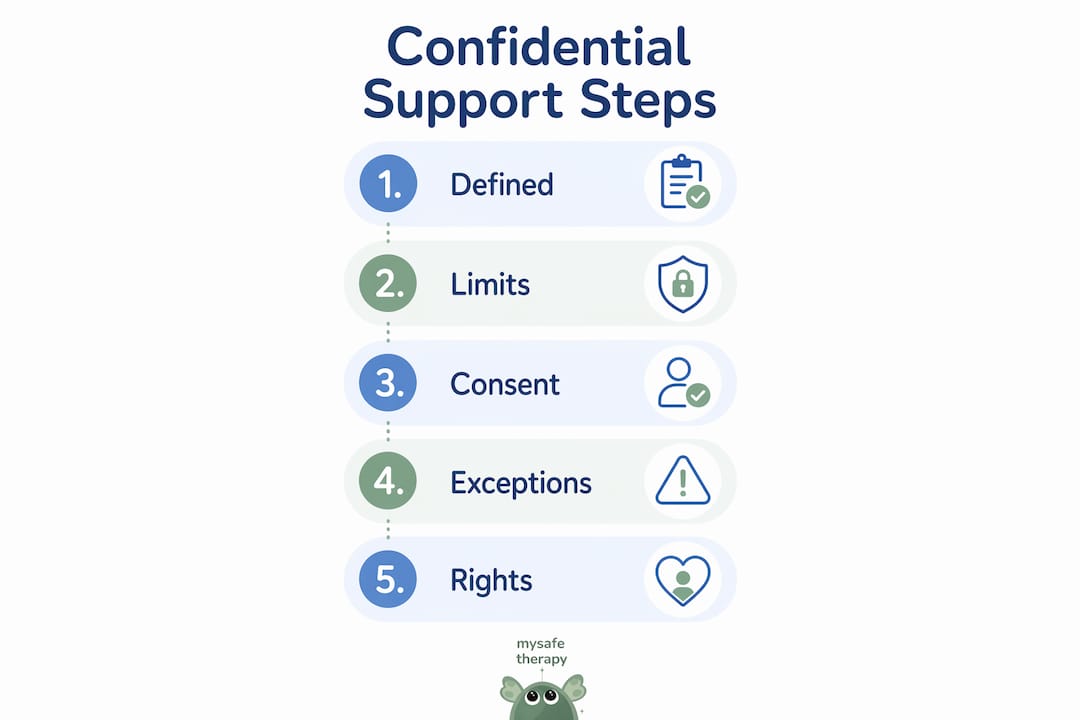
Confidential support is defined as the protection of personal mental health information shared during therapy or counselling, ensuring it remains private under strict ethical and legal obligations. This protection is the foundation of every effective therapeutic relationship. Without it, people withhold the very thoughts that therapy needs to address. In the UK, professional bodies including BACP, UKCP, and NCPS set the ethical guidelines that govern how therapists handle your information. The Mental Capacity Act adds a further legal layer, establishing rights around consent and information sharing. Understanding these frameworks gives you clarity and confidence before you ever enter a session.
What does defining confidential support mean in UK mental health services?
Confidential support, in clinical terms, refers to the duty of care that prevents a therapist from disclosing what you share without your consent. This duty applies across NHS talking therapies, private counselling practices, and charity helplines such as those run by Mind, Samaritans, and Rethink Mental Illness. Each setting operates under the same core principle: your words stay in the room.
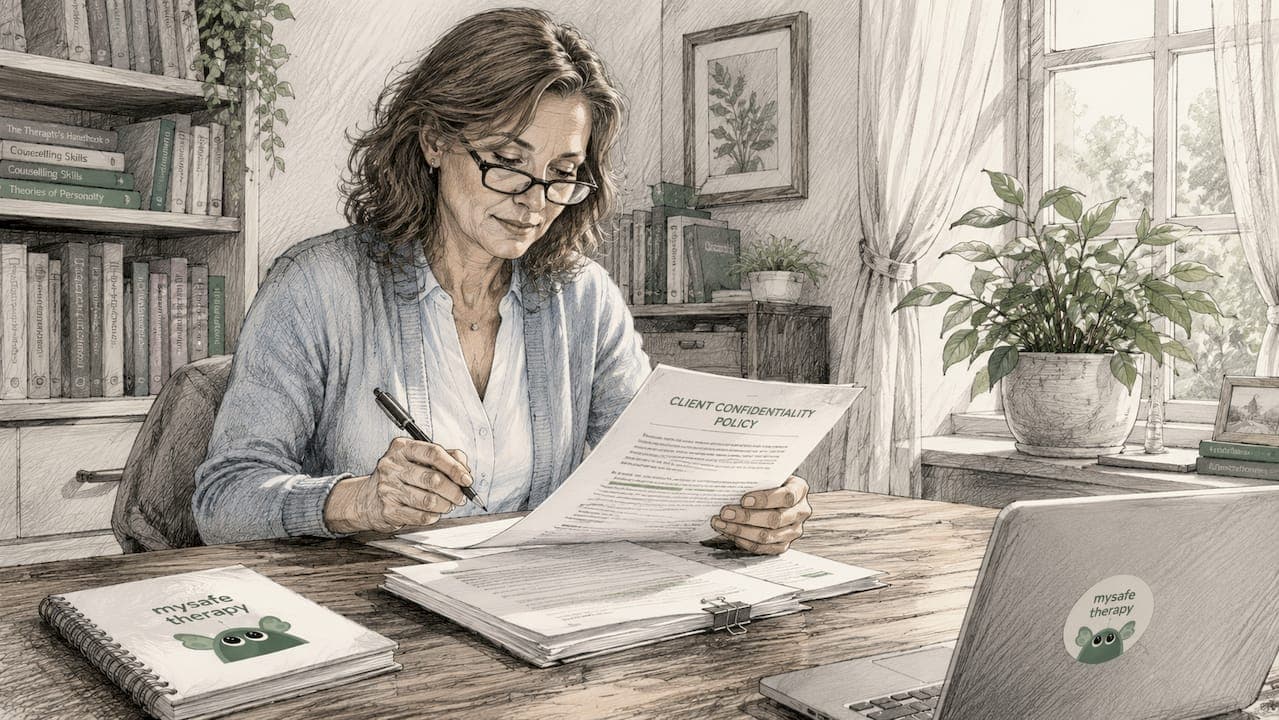
The BACP and UKCP ethical frameworks require therapists to explain confidentiality at the very first session. This explanation forms part of a written or verbal agreement, often called a therapeutic contract. The contract outlines what information is stored, how it is stored, and under what circumstances it might be shared. Digital records are protected by encryption, and physical notes are held in locked storage.
In practice, confidentiality agreements do three things:
- They confirm that session content is not shared with your GP, employer, or family without your explicit consent.
- They specify how long records are kept and who has access within the practice.
- They state the limited circumstances under which a therapist is legally required to act, such as a serious risk of harm.
Pro Tip: Ask your therapist for a written copy of their confidentiality policy before your first session. Reading it in advance means you can ask specific questions rather than absorbing new information while already feeling vulnerable.
Charity helplines operate slightly differently. Services such as Samaritans are anonymous by design, meaning confidential support services at this level carry no record-keeping obligation at all. That anonymity suits people who are not yet ready for formal therapy.
When and why might confidentiality be broken?
Confidentiality is not absolute. Every therapist registered with BACP or UKCP operates under a professional duty of care that requires them to act when a person's safety is at serious risk. The threshold is high. A therapist will not breach confidentiality because you express frustration or describe past distress. The exception applies when there is a credible, immediate risk of serious harm to you or another person.
The most common grounds for breaking confidentiality are:
- Serious risk of suicide or self-harm where the person cannot keep themselves safe without intervention.
- Risk of harm to a named third party, particularly a child or vulnerable adult.
- Safeguarding obligations under the Children Act 1989 and the Care Act 2014, which require professionals to report concerns about abuse.
- Court orders, where a judge compels disclosure of records as part of legal proceedings.
A significant legal development in 2026 strengthened privacy protections in England and Wales. Police requests for therapy notes now require senior officer approval and must meet a higher threshold of "special circumstances" before access is granted. This change directly protects survivors of crime who might otherwise avoid therapy out of fear that their notes could be used in court proceedings.
"Police should only request therapy records under 'special circumstances' to protect survivors' privacy and support healing." The 2026 rule change reflects a growing recognition that therapy notes are not evidence files. They are clinical records created to support recovery, and treating them as anything else undermines the therapeutic process itself.
Good therapists address these limits openly. They explain the exceptions at the outset, not as a warning, but as part of establishing an honest working relationship. Transparency about the boundaries of confidentiality is itself a clinical act. It tells you that your therapist will not surprise you.
How can you manage consent and control information sharing?

You hold more control over your information than most people realise. The NHS continuing healthcare process, for example, includes a formal consent stage where a professional explains what information will be shared and asks for your agreement before proceeding. Mental capacity assessments under the Mental Capacity Act apply when there is any question about whether a person can make an informed decision about their own care.
Within integrated NHS and social care teams, professionals operate under implied consent. This means your GP, care coordinator, and therapist may share relevant clinical information with each other without asking you each time. Implied consent is not unlimited, however. You can ask exactly who has access to your records and request that certain information is not shared beyond your immediate care team.
Your practical rights include:
- Requesting a copy of your therapy notes under the UK General Data Protection Regulation (UK GDPR).
- Asking your therapist to correct inaccurate information held about you.
- Withdrawing consent for information sharing with third parties at any point, subject to safeguarding obligations.
- Asking your GP surgery which professionals can view your summary care record.
Implied consent within care teams is not the same as blanket permission. Your therapist can listen to concerns raised by a family member without disclosing your session content. That distinction matters. It means your care can benefit from wider input while your privacy remains protected.
Pro Tip: If you are unsure about who can see your mental health records, contact your GP practice and ask for a Subject Access Request form. You are legally entitled to this information at no cost.
Understanding your rights in therapy before you start means you can advocate for yourself clearly, rather than discovering the rules only when something feels wrong.
Why does understanding confidential support matter for your mental health?
Confidentiality builds the trust that makes therapy work. When you know your words are protected, you say things you would not say anywhere else. That honesty is not incidental to therapy. It is the mechanism through which therapy produces change. Confidentiality agreements assure clients that their information is securely stored and protected, which directly reduces the anxiety that would otherwise prevent disclosure.
The psychological benefit is measurable in practice. People who feel safe in a therapeutic relationship share more, engage more deeply with the process, and reach meaningful insights faster. People who are uncertain about privacy hold back. They test the therapist with safer topics before risking anything real. That caution is understandable, but it slows progress significantly.
"Trust in confidentiality allows clients to share 'messy' or contradictory thoughts, which is essential for honest, effective therapy."
Therapists use the confidentiality contract deliberately as a clinical tool. It is not administrative paperwork. It is a structured way of demonstrating that the therapeutic relationship operates by different rules than ordinary social ones. For people who have experienced relational trauma or a breach of trust, that demonstration carries real therapeutic weight.
Transparency about the limits of confidentiality also reduces anxiety rather than increasing it. Knowing exactly when and why a therapist might act removes the fear of the unknown. You can make an informed decision about what to share, rather than guessing at invisible rules. That clarity is part of what makes confidential online support accessible to people who might otherwise avoid seeking help altogether.
Key takeaways
Confidential support is the legal and ethical protection of personal mental health information, and understanding its scope, limits, and your rights within it is the clearest path to effective, trust-based therapy.
| Point | Details |
|---|---|
| Core definition | Confidential support protects personal mental health information under BACP, UKCP, and legal frameworks. |
| Legal exceptions exist | Therapists may act without consent only when there is serious, credible risk of harm to you or others. |
| 2026 police access rules | Police in England and Wales now need senior approval and special circumstances to access therapy notes. |
| You control consent | UK GDPR gives you the right to access, correct, and restrict sharing of your mental health records. |
| Confidentiality enables honesty | Clients who trust privacy share more openly, which directly improves therapy outcomes. |
Confidentiality is a clinical tool, not just a legal obligation
At Mysafetherapy, we see the same pattern repeatedly. People arrive at their first session carrying a quiet anxiety about what happens to what they say. They want help, but they are also calculating risk. The moment a therapist explains the confidentiality framework clearly, that calculation shifts. The person relaxes. They start talking about what actually brought them there.
What most articles on this topic miss is that confidentiality is not just protective. It is generative. The boundary itself creates the conditions for something to happen. For people who have never had a relationship where their words were genuinely held in confidence, the therapeutic contract can be a genuinely new experience. That novelty is part of the work.
The 2026 changes to police access rules are a meaningful step forward. Survivors of crime can now seek therapy without the reasonable fear that their notes will be used against them in proceedings. That fear was real, and it kept people away from support they needed. Removing it matters.
If you are considering therapy and feel uncertain about confidentiality, raise it directly at the first session. Ask your therapist what their policy is, what they would do in specific scenarios, and how your records are stored. A good therapist will welcome those questions. The answers will tell you a great deal about whether this is the right person to work with.
— Mysafetherapy
Mysafetherapy's approach to confidential mental health care
Mysafetherapy connects UK adults with therapists registered with BACP, UKCP, and HCPC, all of whom operate under the same ethical confidentiality standards described in this article. Every session, whether conducted by video, text-based chat therapy, or avatar format, takes place on a secure, encrypted platform designed to protect your privacy from the first message.
Mysafetherapy's therapist standards page sets out exactly which professional bodies accredit each therapist, so you can verify their obligations before booking. Sessions are available in the evenings and at weekends, with clear pricing and no long waiting lists. If you are ready to speak with a therapist in a genuinely confidential setting, you can start therapy online today.
FAQ
What is the definition of confidential support in therapy?
Confidential support is the obligation of a therapist or counsellor to protect personal information shared during sessions from disclosure without the client's consent. In the UK, this duty is governed by BACP and UKCP ethical codes, as well as UK GDPR.
Can my therapist share what I say with my GP?
Within NHS integrated care, implied consent allows limited information sharing between your GP and care team. Your therapist cannot share session content with your GP without your explicit consent unless a safeguarding concern applies.
What are the legal exceptions to therapy confidentiality in the UK?
A therapist may break confidentiality when there is a serious, credible risk of harm to you or another person, or when required by a court order. The threshold is high, and therapists are trained to use the least intrusive action available.
Can police access my therapy notes in England?
Under 2026 rules in England and Wales, police access to therapy notes requires senior officer approval and must meet a "special circumstances" threshold. Routine access is no longer permitted.
How do I find out who can see my mental health records?
You can submit a Subject Access Request to your GP surgery or therapy provider under UK GDPR at no cost. This gives you a full list of who holds your records and who has accessed them. You can also ask your therapist directly at any point during treatment.