
TL;DR:
- Therapy supports everyday challenges like stress, low mood, and relationship difficulties, not just mental illness.
- Access options include NHS free services, private therapists, and online platforms, depending on individual needs.
- Accreditation ensures therapists adhere to ethical standards, maintaining confidentiality and professional safety.
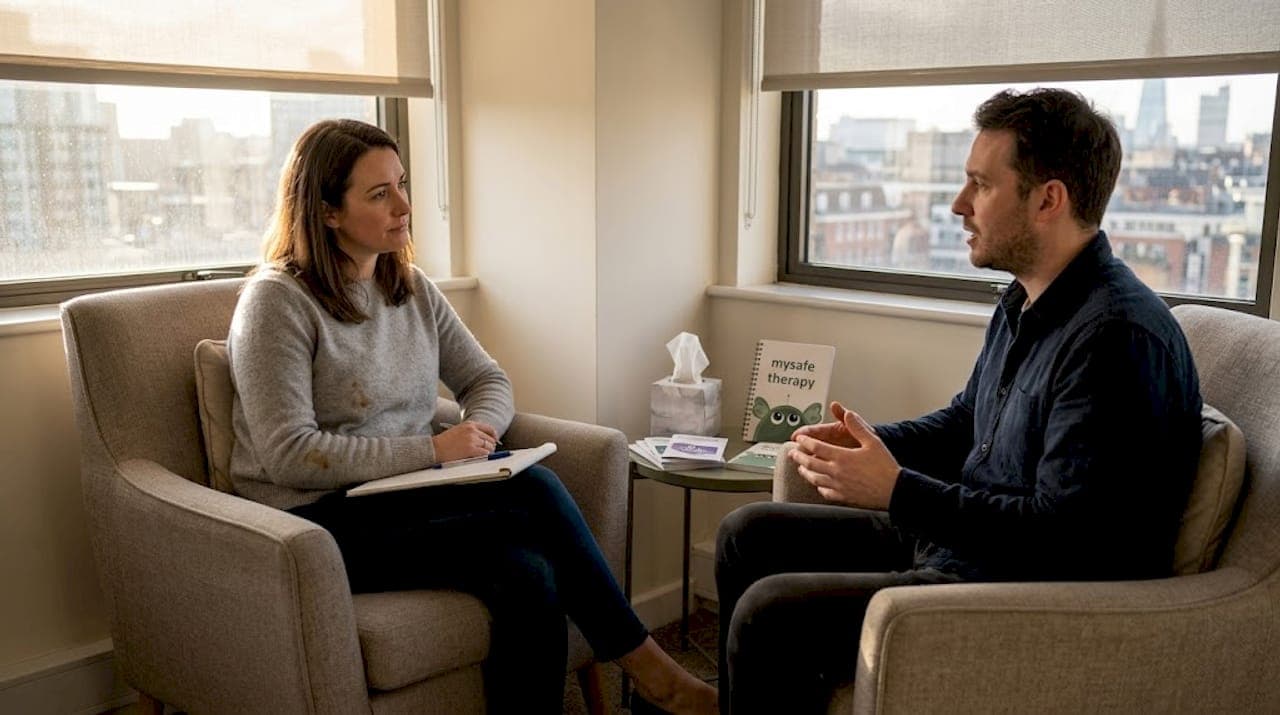
Many UK adults assume that seeing a therapist means something must be seriously wrong. That assumption stops a significant number of people from accessing support they could genuinely benefit from. Therapists do not only work with people in crisis. They support everyday challenges, including persistent low mood, work-related stress, relationship difficulties, and anxiety that quietly chips away at daily life. This article explains what therapists actually do, the main therapy types available in the UK, how to access support through the NHS or private routes, and what confidentiality means in practice. The aim is to give you clear, factual information so you can make an informed decision about your own mental health.
Table of Contents
- What do therapists actually do for your mental wellbeing?
- Key types of therapy and approaches in the UK
- Accessing therapy in the UK: NHS, private and online options
- Confidentiality, ethics and what to expect from an accredited therapist
- Our perspective: What most guides miss about therapy and mental health
- Take the next step: Find confidential, accredited support today
- Frequently asked questions
Key Takeaways
| Point | Details |
|---|---|
| Therapists aid everyday wellbeing | Therapists help manage anxiety, low mood, and everyday challenges—not just crises. |
| Multiple therapy types | CBT, counselling, and mindfulness are common UK approaches suited to different needs. |
| NHS and private options | You can self-refer for free NHS therapy or access accredited online therapists affordably. |
| Confidentiality is essential | All accredited therapists must keep sessions private, with rare legal exceptions. |
| Therapist fit matters most | Switching therapists when it’s not the right match is both normal and recommended. |
What do therapists actually do for your mental wellbeing?
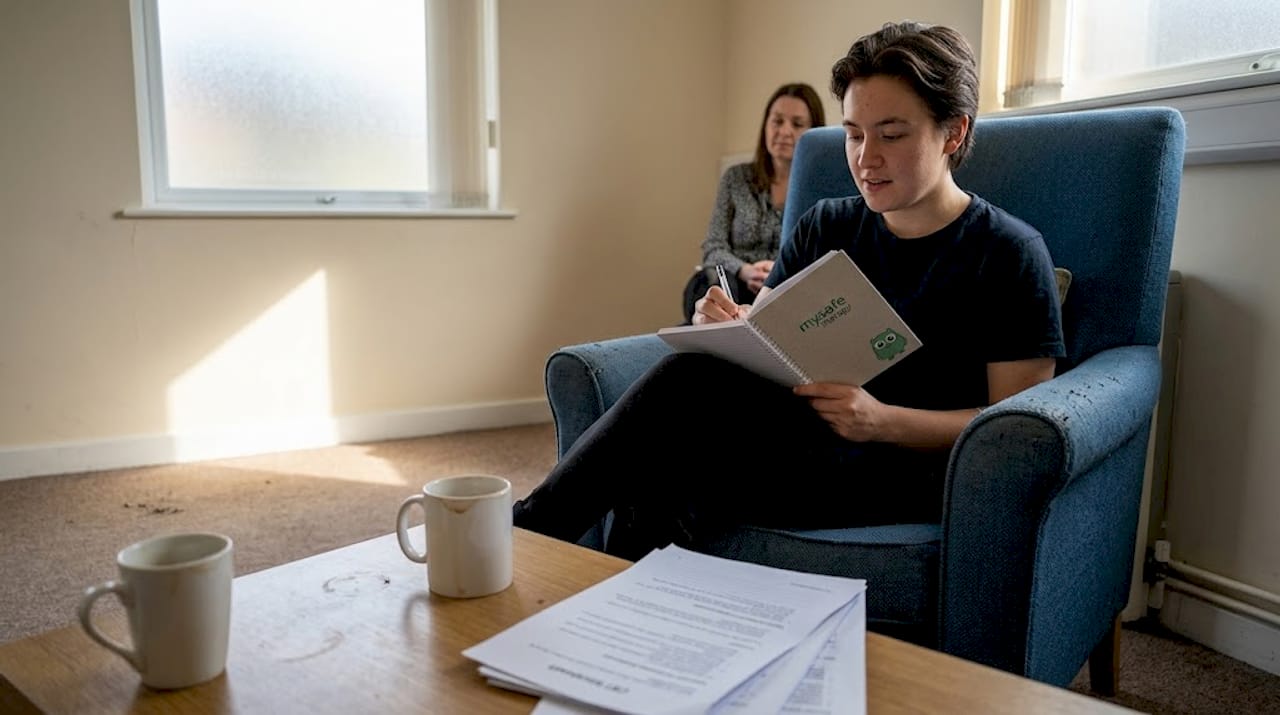
The most common misconception about therapy is that it is reserved for people experiencing severe mental illness. In reality, therapists work with a wide range of people, many of whom are simply navigating the ordinary but difficult parts of life. Grief, low confidence, relationship strain, and burnout are all valid reasons to seek professional support.
At the core of what therapists offer is a structured, confidential environment. You speak openly about your thoughts, feelings, and behaviours without fear of judgement. The therapist listens, reflects, and helps you identify patterns you may not have noticed yourself. According to Mind, talking therapies help adults with anxiety and depression by providing a confidential space to explore thoughts and feelings, identify coping strategies, improve relationships, and resolve difficult emotions.
Practical benefits of working with a therapist include:
- Developing coping strategies for anxiety, low mood, or stress
- Identifying unhelpful thought patterns that affect behaviour
- Improving communication in personal or professional relationships
- Processing past experiences that continue to affect daily life
- Building emotional resilience over time
Working with accredited therapists provides an additional layer of assurance. Accreditation means the therapist has met specific training standards and is bound by a professional code of ethics. This matters because it protects you as a client and ensures the support you receive is grounded in evidence.
"Therapy is not about being fixed. It is about being heard, understood, and supported in making sense of your own experience."
The NHS offers CBT and other talking therapies as first-line treatments, which reflects how well-established the evidence base is. Whether you access support through the NHS, a private provider, or an online platform, the core function of therapy remains the same: to help you understand yourself better and function more effectively in your daily life.
Key types of therapy and approaches in the UK
Understanding the different therapy types available helps you have a more informed conversation with a potential therapist. Not all approaches work equally well for all issues, and knowing the differences allows you to ask better questions from the start.
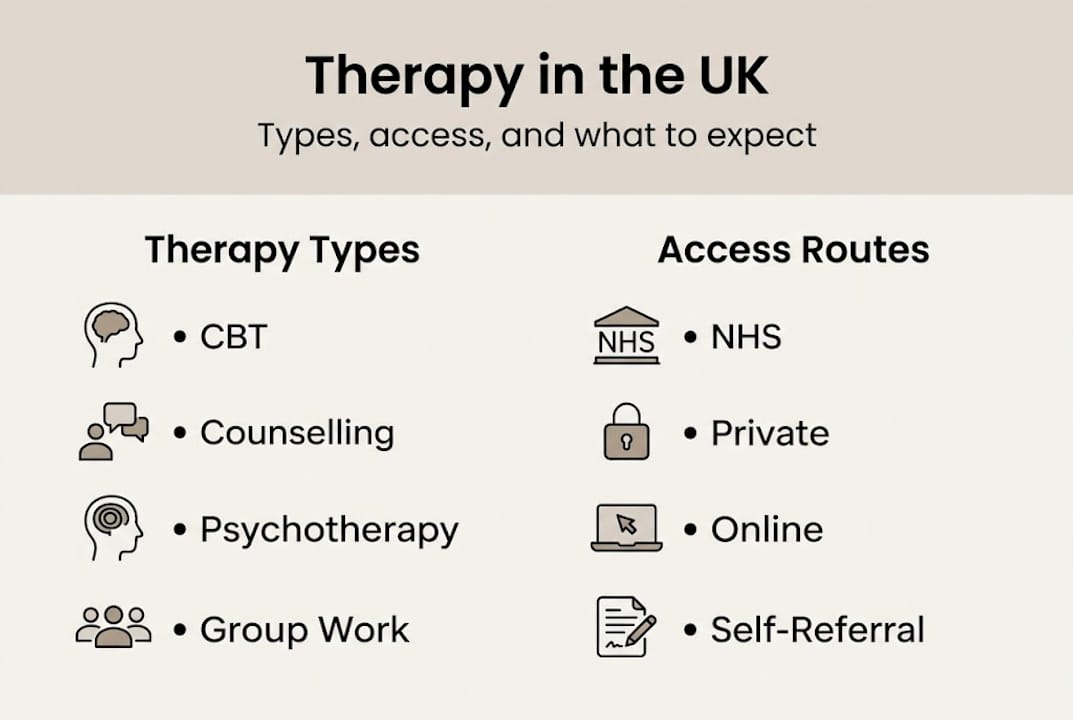
The NHS outlines four commonly used methodologies: Cognitive Behavioural Therapy (CBT), which helps you change unhelpful thinking and behaviour patterns through structured exercises; Counselling, which focuses on exploring your thoughts and life experiences in a more open-ended way; Interpersonal Therapy (IPT), which targets relationship difficulties and social functioning; and Mindfulness-based approaches, which build awareness of the present moment to reduce rumination and stress.
CBT is prioritised by NICE for anxiety and depression in UK adults, making it the most widely available option through NHS services. However, other approaches are equally valid depending on your circumstances.
| Therapy type | Best suited for | Format |
|---|---|---|
| CBT | Anxiety, depression, phobias | Structured, time-limited |
| Counselling | Grief, life changes, self-esteem | Open-ended, exploratory |
| IPT | Relationship issues, social isolation | Structured, short-term |
| Mindfulness-based | Stress, recurrent depression | Group or individual |
For a broader overview, the range of types of mental health support available online has expanded considerably in recent years. You can also explore online therapy types to understand which format suits your schedule and comfort level.
Pro Tip: Before your first session, write down two or three things you want to address. Then ask the therapist which approach they use and why it suits your situation. A good therapist will welcome that question.
Accessing therapy in the UK: NHS, private and online options
Knowing what type of support you need is only part of the process. The next step is understanding how to access it, and what each route actually involves in practice.
Here is a straightforward overview of your main options:
- NHS talking therapies (self-referral): Adults aged 18 and over, or 16 and over in some areas, can self-refer directly without needing a GP. Services are free and available online, by phone, or in person. Waiting times vary by region but can be several weeks.
- Private therapy: Sessions are typically arranged directly with a therapist or through a directory. Costs vary widely, but affordable therapy options are available, including sessions from £30 to £40 through accredited networks.
- Online therapy platforms: These connect you with BACP or UKCP registered therapists, often with faster access and flexible scheduling. Many offer evening and weekend appointments.
| Route | Cost | Speed | Flexibility |
|---|---|---|---|
| NHS | Free | Slower | Limited |
| Private in-person | £50-£100+ | Faster | Moderate |
| Online platforms | £30-£80 | Fastest | High |
For those weighing up cost, Choose Therapy and similar networks list low-cost accredited options. If you are unsure where to begin, a practical guide on how to start online therapy can help you take the first step with confidence.
For ongoing support between sessions, mental health management tips provide practical strategies you can use day to day. The right route depends on your budget, urgency, and personal preferences. None of the options is inherently superior; the best one is the one you will actually use.
Confidentiality, ethics and what to expect from an accredited therapist
Confidentiality is one of the most important aspects of therapy, and it is also one of the most misunderstood. Many people worry that what they share in sessions could be passed on to employers, family members, or their GP without consent. In most circumstances, that will not happen.
Under BACP and UKCP ethical frameworks, confidentiality is a core duty. Information you share remains private except in specific, well-defined situations: where there is a serious risk of harm to you or another person, where safeguarding obligations apply to children or vulnerable adults, or where a legal requirement overrides professional duty. These exceptions are narrow and are explained to clients at the outset.
What you should expect from an accredited therapist:
- A clear explanation of confidentiality and its limits at the start of therapy
- A written agreement or contract outlining the terms of your sessions
- Professional registration with BACP, UKCP, BPC, or a comparable body
- Adherence to a formal code of ethics that governs their conduct
- Supervision from a senior practitioner, which is a standard professional requirement
Understanding why accredited therapists matter is essential before you begin. Accreditation is not just a credential; it is a safeguard. A professional registration guide can help you navigate the verification process, and it is worth understanding the broader UK therapy regulations that govern practice standards.
Pro Tip: You can verify any therapist's registration by searching the BACP or UKCP online registers using their name or membership number. This takes under two minutes and is always worth doing. As BACP guidance confirms, verifying registration is the clearest way to confirm that confidentiality and ethical standards will be upheld.
Our perspective: What most guides miss about therapy and mental health
Most articles about therapy focus on what it is and how to access it. Fewer address the uncomfortable reality that therapy does not always work on the first attempt, and that is not a failure on your part.
Dropout rates within NHS talking therapies are notable, and a significant proportion of people disengage before completing a course of treatment. Research into treatment outcomes shows that while therapy matches medication in effectiveness for depression, combined approaches tend to produce the best results. Crucially, when the therapist-client relationship is not working, switching promptly leads to better outcomes than persisting out of obligation.
The quality of the therapeutic relationship is arguably the strongest predictor of progress. If you do not feel heard, respected, or understood after a reasonable number of sessions, changing therapist is not giving up. It is sound clinical reasoning. Exploring self-guided therapy as a supplement can also bridge gaps between sessions or during transitions. Modern mental health support is not a rigid, one-size-fits-all system. It is a flexible process, and you are entitled to adapt it until it works for you.
Take the next step: Find confidential, accredited support today
If this article has clarified what therapy involves and how to access it, the logical next step is to act on that understanding. Knowing the options is useful. Using them is what makes the difference.
MySafeTherapy connects you with UK-accredited therapists registered with BACP, UKCP, and NCPS, all within a confidential, secure online environment. Sessions are available via video, chat, or avatar-based formats, including evenings and weekends. Pricing is transparent, therapist switching is straightforward, and support tools including AI journaling and mood tracking are built into the platform. If you are ready to begin, you can start therapy online today, or explore the full range of services available through the MySafeTherapy platform to find the format that suits you best.
Frequently asked questions
How do I check if a UK therapist is accredited?
You can verify accreditation by searching the BACP, UKCP, or BPC online registers using the therapist's name or membership number. As BACP guidance confirms, checking registration is the most reliable way to confirm professional standards.
Is online therapy confidential and safe?
Yes, sessions with BACP or UKCP-accredited therapists must follow strict confidentiality rules, with exceptions only in specific safeguarding or legal situations. Confidentiality obligations are defined by professional ethical frameworks and UK GDPR.
Can I get free therapy through the NHS without seeing my GP?
Yes, adults aged 18 and over can self-refer to NHS talking therapies for anxiety and depression online or by phone, with no GP visit required.
What if I don't feel comfortable with my therapist?
You can request a different therapist at any time. Evidence on treatment outcomes shows that switching when the fit is poor leads to better results than continuing with a mismatched therapeutic relationship.