

In the UK, anyone can legally call themselves a therapist. There is no statutory regulation protecting the title, which means a person with no formal training can set up a practice and begin seeing clients tomorrow. This is not a minor technicality. Therapy patients have been sexually abused by unregulated practitioners who evade accountability by simply switching professional bodies when complaints arise. Understanding what accreditation means, how to verify it, and why it matters for your safety and recovery is essential before you book a single session.
Table of Contents
- The dangers of unregulated therapy in the UK
- How accreditation ensures safer, higher-quality care
- Accredited therapists use evidence-based approaches
- Accessing safe, affordable, flexible therapy online
- Connect with accredited therapists online
- Frequently asked questions
Key Takeaways
| Point | Details |
|---|---|
| Accreditation protects clients | UK-accredited therapists follow ethical standards and offer safer care than unregulated practitioners. |
| Evidence-based therapy works | Approaches endorsed by NICE, such as CBT and EMDR, help treat anxiety, depression, and trauma effectively. |
| Online access is flexible | Accredited therapists offer confidential online options that fit your schedule and budget. |
| Check registers for safety | Always verify your therapist’s credentials on BACP, UKCP, or PSA-approved lists before starting sessions. |
The dangers of unregulated therapy in the UK
The absence of statutory regulation in the UK therapy sector creates a genuine risk for anyone seeking mental health support. Unlike medicine or nursing, therapy titles carry no legal protection. A person can advertise as a counsellor, psychotherapist, or life coach without holding any recognised qualification. This is not a theoretical concern. Unregulated practitioners avoid accountability by moving between professional bodies when formal complaints are made against them, leaving clients with no meaningful recourse.
The consequences can be severe. Clients in vulnerable states, including those managing trauma, depression, or anxiety, are particularly exposed when working with someone who operates outside a professional framework. Without accreditation, there is no code of ethics to enforce, no supervision requirement, and no complaints process with real authority.
"No statutory regulation means clients must verify accreditation via PSA-approved registers to minimise risks from unregulated practitioners."
Experts and psychotherapist regulation advocates have called for statutory oversight in England, but legislative change remains slow. In the meantime, the responsibility falls on you as the client to verify credentials before engaging with any therapist.
Here is what to look for when assessing a therapist's credentials:
- Membership of a PSA-accredited register such as BACP, UKCP, or NCPS
- A verifiable registration number you can check online
- Evidence of ongoing supervision and continuing professional development
- A clear complaints procedure linked to their professional body
- Transparency about their qualifications and therapeutic approach
Understanding therapist professional registration is the first practical step towards protecting yourself. Reviewing online therapy safety guidance specific to UK adults adds another layer of assurance before you begin.
How accreditation ensures safer, higher-quality care
Accreditation is not simply a badge. It represents a structured pathway of training, supervised practice, and ongoing professional development that a therapist must complete and maintain. When a therapist holds accredited status with a body such as BACP or UKCP, they are bound by a formal code of ethics covering confidentiality, informed consent, and client welfare.
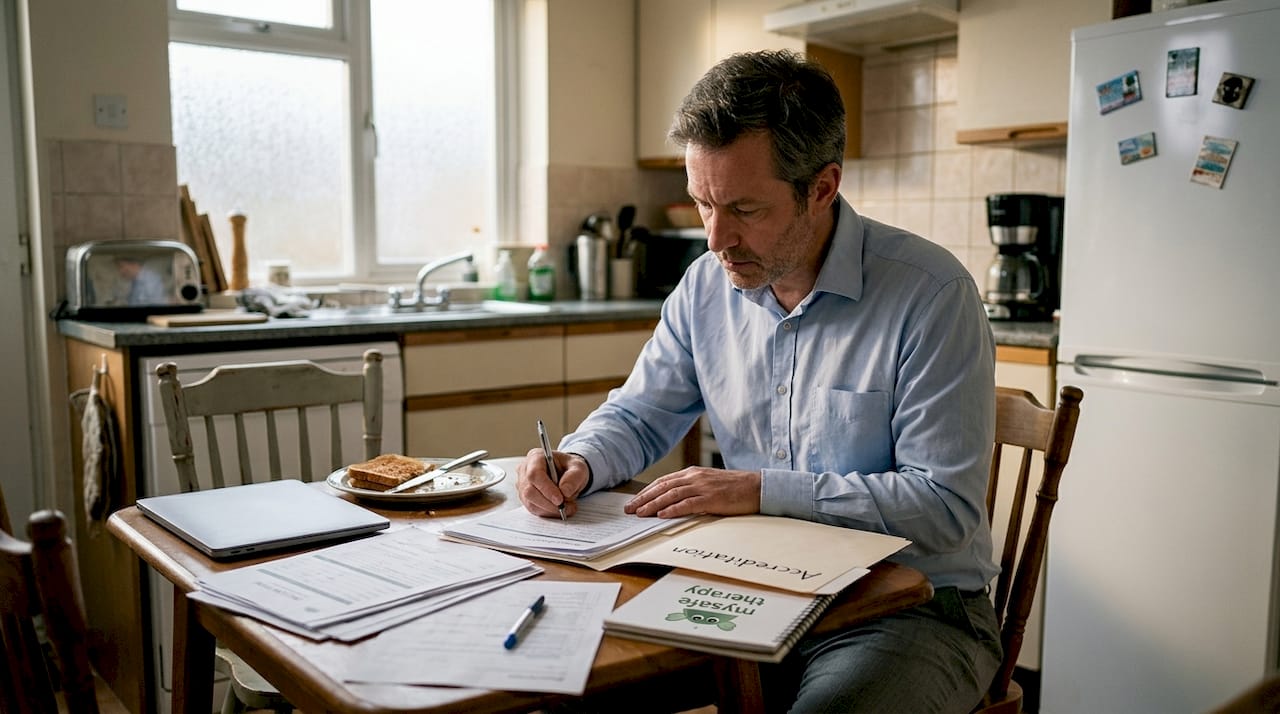
For clients managing anxiety, depression, or trauma, this matters enormously. Accredited therapists are required to work under supervision, particularly in the early stages of their career. This means a more experienced professional is reviewing their casework and flagging concerns. It is a built-in quality control mechanism that simply does not exist for unaccredited practitioners.
There is an important nuance worth noting. Early-career therapists may lack accreditation despite being skilled and well-trained, and for lower-complexity presentations this may be acceptable. However, for complex cases such as trauma or PTSD, accreditation signals the level of experience and specialist training that safe, effective treatment requires.
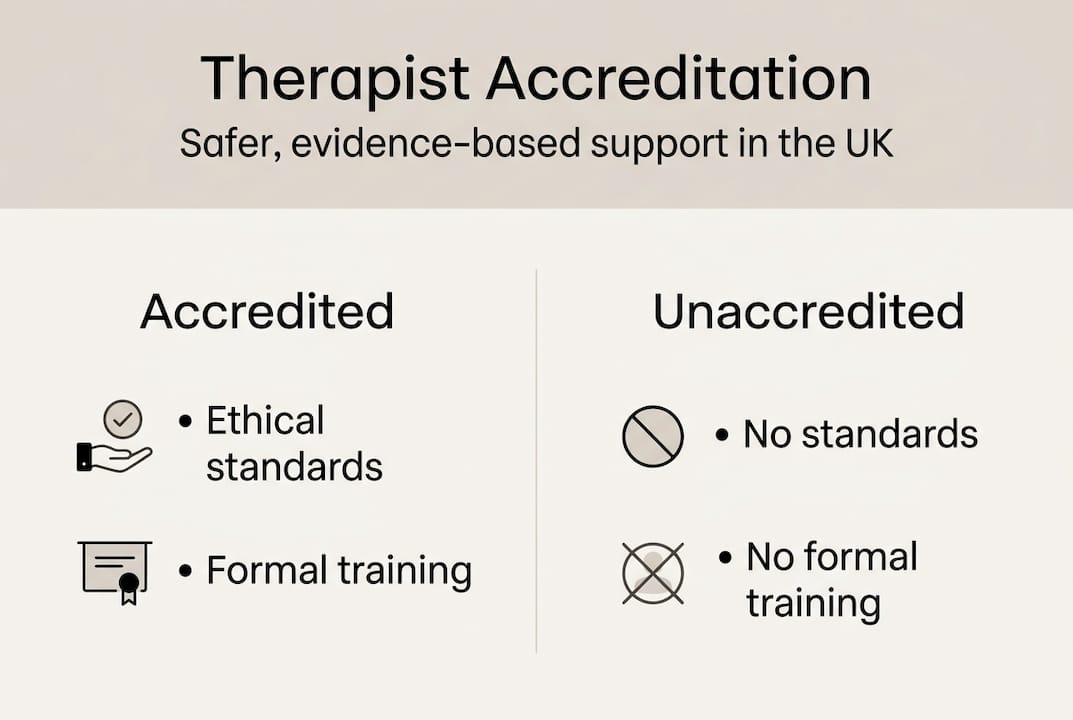
| Feature | Accredited therapist | Unaccredited therapist |
|---|---|---|
| Bound by code of ethics | Yes | No |
| Formal complaints process | Yes | No |
| Ongoing supervision required | Yes | No |
| Verifiable on public register | Yes | No |
| Evidence-based training | Yes | Not guaranteed |
| Confidentiality obligations | Enforced | Unenforceable |
Accreditation also directly supports confidentiality. Accredited therapists are contractually and ethically obligated to protect your personal information. Breaches can result in removal from the register, which is a meaningful deterrent. For anyone seeking accessible online therapy, this assurance is particularly relevant given the digital nature of the sessions.
Pro Tip: Before booking any session, search your therapist's name on the BACP, UKCP, or PSA website. A legitimate accredited therapist will appear on at least one public register with a verifiable membership number. This takes under two minutes and significantly reduces your risk.
For those managing anxiety or depression specifically, therapy sessions with accredited professionals follow structured, evidence-based formats that unaccredited practitioners are not required to use. The accreditation guidance from CPCAB outlines the standards therapists must meet, giving you a clear benchmark to reference. Choosing the right match also matters, and therapist matching tools can help you identify professionals whose specialism aligns with your needs.
Accredited therapists use evidence-based approaches
One of the most significant practical advantages of working with an accredited therapist is access to evidence-based therapeutic methods. These are approaches that have been tested in clinical research, shown to produce measurable outcomes, and recommended by the National Institute for Health and Care Excellence (NICE) for specific conditions.
Accredited therapists use methods including Cognitive Behavioural Therapy (CBT), Trauma-Focused CBT (TF-CBT), and Eye Movement Desensitisation and Reprocessing (EMDR) for anxiety, depression, and trauma. These are not interchangeable. Each method has a specific mechanism and is suited to particular presentations. An accredited therapist will assess your needs and select the appropriate approach rather than applying a single method to every client.
Research into barriers to evidence-based CBT practice among UK therapists highlights that training, supervision, and professional accountability are the key factors that determine whether evidence-based methods are actually delivered correctly. Accreditation addresses all three.
Here is how a typical evidence-based therapy process works in practice:
- Initial assessment: The therapist gathers information about your history, current symptoms, and goals.
- Formulation: Together, you develop a shared understanding of what is maintaining your difficulties.
- Treatment planning: The therapist selects the most appropriate evidence-based method for your presentation.
- Active therapy: Structured sessions follow a clear protocol, with measurable progress tracked over time.
- Review and consolidation: Progress is reviewed regularly, and the approach is adjusted if needed.
- Ending and relapse prevention: The therapist prepares you to maintain gains independently after therapy concludes.
This structured process is a direct product of accredited training. Unaccredited practitioners are not required to follow any such framework. For those exploring types of therapy for anxiety, understanding which method suits your situation is a useful starting point. For couples or those with relationship difficulties, relationship therapy methods used by accredited therapists follow similarly structured, research-backed protocols. You can also review PTSD specialist selection criteria to understand what qualifications to look for when trauma is the primary concern.
Accessing safe, affordable, flexible therapy online
Finding an accredited therapist does not have to be complicated or expensive. Several practical routes exist for UK adults seeking confidential, flexible support from verified professionals.
Accredited registers such as BACP and UKCP maintain searchable online directories where you can filter by specialism, location, and session format. Many accredited therapists now offer online sessions via video or chat, which removes geographical barriers and allows you to access support from home, including evenings and weekends.
Here is a practical checklist for finding accredited online therapy in the UK:
- Search the BACP, UKCP, or NCPS directories and filter by your presenting issue
- Confirm the therapist offers online sessions in a format that suits you
- Ask about session fees upfront and whether a sliding scale is available
- Check whether the therapist has experience with your specific concern
- Review their profile for information about their therapeutic approach
- Verify their registration number on the relevant professional body's website
Affordability is a genuine concern for many people. Affordable therapy options do exist within the accredited sector, including reduced-fee services and trainee therapists working under supervision. If you have previously used a specific platform and are looking for alternatives, reviewing comparable online therapy services can help you identify accredited options at different price points. For those still deciding which approach is right for them, exploring therapy choices for anxiety provides a clear overview of what is available.
Pro Tip: Many reputable online therapy platforms offer a free matching quiz or self-assessment tool. These help identify your needs and match you with an accredited therapist whose specialism aligns with your situation, saving time and reducing the risk of a poor fit.
Connect with accredited therapists online
If you are ready to take the next step, MySafeTherapy connects you directly with UK-accredited therapists registered with BACP, UKCP, and NCPS. Every therapist on the platform has been verified, so you do not need to carry out the credential checks yourself.
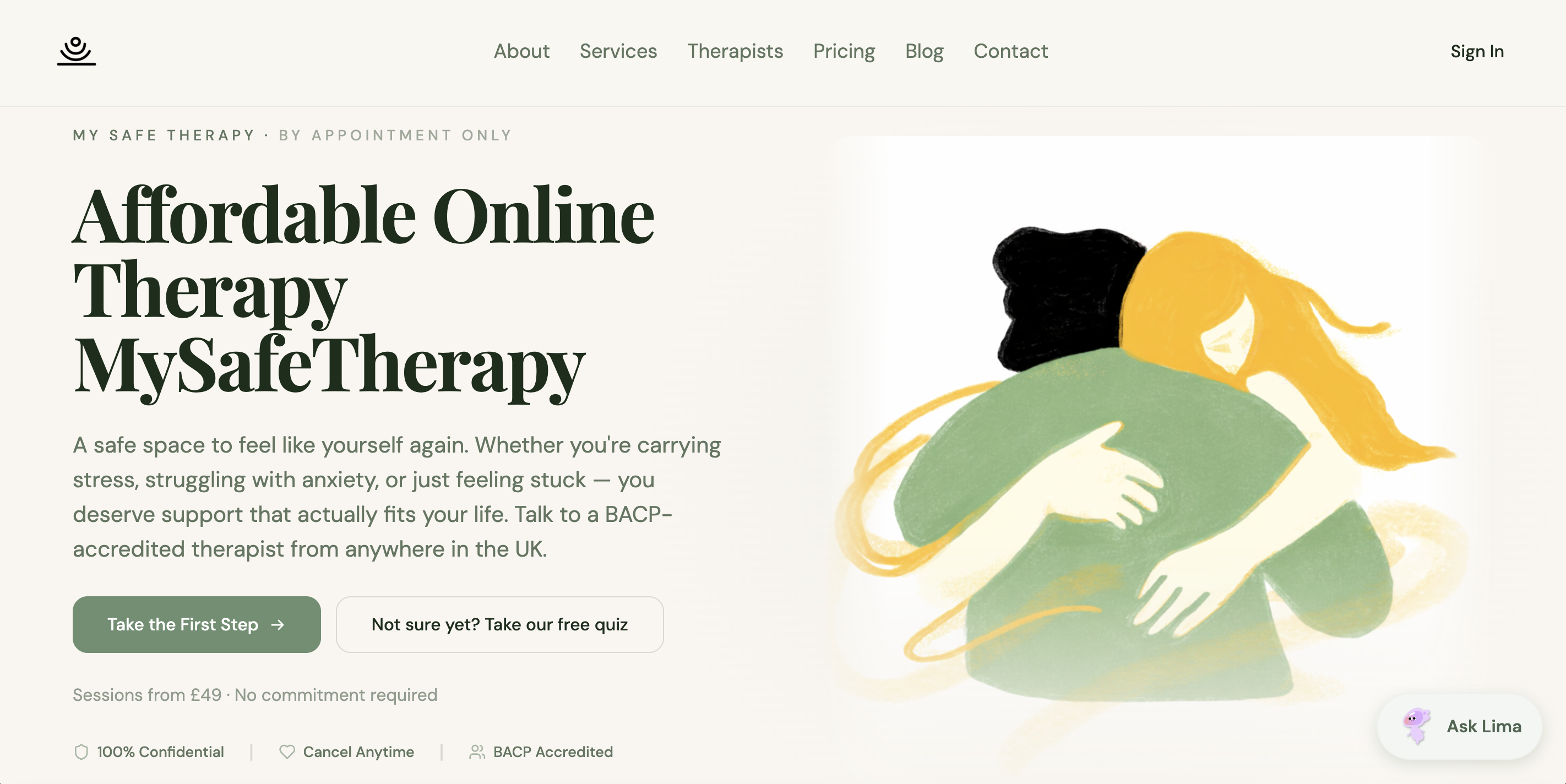
Sessions are available via video, chat, or avatar-based formats, with evening and weekend availability to fit around your schedule. Pricing is transparent, therapist switching is straightforward, and your confidentiality is protected throughout. Whether you are managing anxiety, depression, trauma, or burnout, the platform matches you with a professional whose experience fits your needs. You can start therapy directly, or if you are unsure whether therapy is right for you at this stage, take the do I need therapy quiz to get a clearer picture before committing.
Frequently asked questions
How can I check if my therapist is UK-accredited?
Search your therapist's name on the BACP, UKCP, or a PSA-approved register online. A valid registration number will appear if they hold current accredited status.
Are accredited therapists more expensive?
Not necessarily. Accredited directories list therapists across a wide fee range, and many offer reduced rates, sliding scales, or trainee options that remain affordable without compromising on professional standards.
Which therapy methods do UK-accredited therapists use?
UK-accredited therapists use evidence-based approaches including CBT, TF-CBT, and EMDR, all of which are recommended by NICE for conditions such as anxiety, depression, and PTSD.
Why is therapist accreditation important for trauma support?
For trauma, accreditation confirms specialist experience and training in methods such as EMDR or TF-CBT, which require a higher level of clinical competence than general counselling approaches.