

TL;DR:
- Transparency in therapy involves honest communication about processes, boundaries, costs, and data practices, which fosters trust and safety. Clients are encouraged to ask questions about approaches, records, and privacy to actively promote clarity and engagement. Maintaining ongoing transparency and open dialogue enhances therapeutic progress and mutual understanding.
Transparency in therapy is defined as the deliberate practice of open, honest, and clear communication between a therapist and client about processes, boundaries, costs, and expectations. The role of transparency in therapy extends beyond courtesy. It is the structural foundation on which trust, psychological safety, and meaningful progress are built. UK ethical frameworks, trauma-informed care principles, and emerging research on digital privacy all point to the same conclusion: when clients understand what is happening and why, they engage more fully and heal more effectively. This guide explains how transparency operates in practice, what it requires from therapists, and how you can use it to get more from your own therapeutic experience.
How does transparency build trust in therapy?
Transparency functions as a form of predictability, and predictability reduces anxiety. When a therapist explains what a session will involve, why a particular approach is being used, and what the boundaries of the relationship are, the client no longer has to guess. That reduction in uncertainty is not a small comfort. For clients with trauma histories especially, consistency and predictability are critical factors in preventing retraumatisation and building the conditions for recovery.
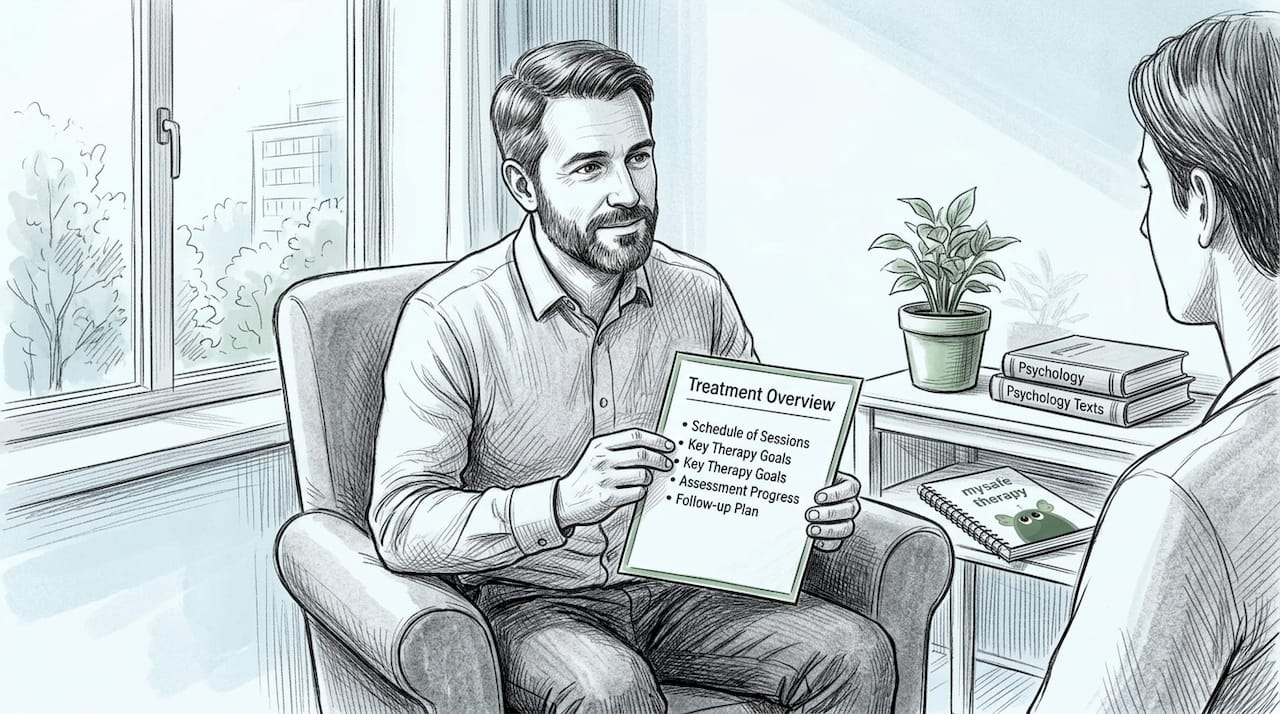
Trauma-informed care, a framework used widely by BACP-registered and UKCP-accredited therapists across the UK, identifies trustworthiness and transparency as foundational principles from the very first session. The rationale is straightforward: clients who have experienced unpredictability or harm in past relationships need to see that their therapist operates consistently and honestly before they can risk genuine disclosure.
Clear communication about treatment rationale also increases client engagement. When you understand why your therapist is asking certain questions or using a specific technique, you are more likely to participate actively rather than comply passively. Active participation is what produces results.
Pro Tip: At the start of therapy, ask your therapist to explain their approach and what a typical session will look like. This is not an unusual request. It is exactly the kind of transparency that supports good outcomes.
Key ways transparency builds trust in practice:
- Explaining the purpose and structure of each session before it begins
- Describing the theoretical model being used, such as CBT, person-centred therapy, or EMDR
- Outlining what progress might look like and over what timeframe
- Being clear about what the therapist can and cannot help with
- Communicating promptly if something changes in the therapeutic relationship
What do therapists disclose under ethical frameworks?
The BACP ethical framework requires therapists to practise candour and accountability. This means actively communicating risks, benefits, costs, and commitments to clients rather than waiting to be asked. It is a professional obligation, not a preference.
In practice, ethical disclosure covers several specific areas:
- Confidentiality and its limits. Therapists must explain what is kept private and under what circumstances they are required to break confidentiality, such as when there is a risk of serious harm.
- Record-keeping. Clients have the right to know that notes are taken, how they are stored, who can access them, and for how long they are retained.
- Fees and cancellation policies. Transparent therapy pricing explained clearly at the outset prevents misunderstandings and removes a common source of anxiety. Knowing why transparency in therapy costs matters helps clients budget and commit without resentment.
- Boundaries of the relationship. Therapists should be clear about contact outside sessions, social media, and what happens if the therapeutic relationship ends.
- Referral and supervision. Clients should know that therapists discuss cases in supervision and under what conditions a referral to another professional might be recommended.
"Therapists who openly discuss the 'how' and 'why' of therapeutic interventions and boundaries contribute to clients' sense of control and safety." — BACP ethical framework, 2025
Clients who feel supported by therapist transparency about roles and processes are more likely to engage meaningfully in therapy. Understanding your rights as a client, including the right to ask questions and receive honest answers, is itself a form of empowerment. For a detailed look at how these ethical principles shape the confidential therapy process, the UK adult's guide to confidential therapy covers this in depth.
Transparency versus vulnerability: what is the difference?
These two concepts are frequently conflated, and the confusion creates unrealistic expectations on both sides of the therapeutic relationship. Transparency involves honest factual sharing without necessarily revealing inner emotional states. Vulnerability is deeper emotional honesty that invites genuine connection and requires trust to be present first.
The distinction matters practically. A therapist can be fully transparent about their qualifications, their approach, their boundaries, and the structure of sessions without disclosing personal feelings or experiences. A client can be transparent about their history and current symptoms without yet being emotionally vulnerable. Vulnerability develops over time, as transparency creates the safety that makes it possible.
| Concept | Definition | What it requires |
|---|---|---|
| Transparency | Honest, factual communication about processes, roles, and information | Willingness to be clear and open about facts |
| Vulnerability | Emotional honesty that invites deeper connection | Trust already established through transparency |
| Boundary | The professional limit that defines the therapeutic relationship | Consistent communication and mutual respect |
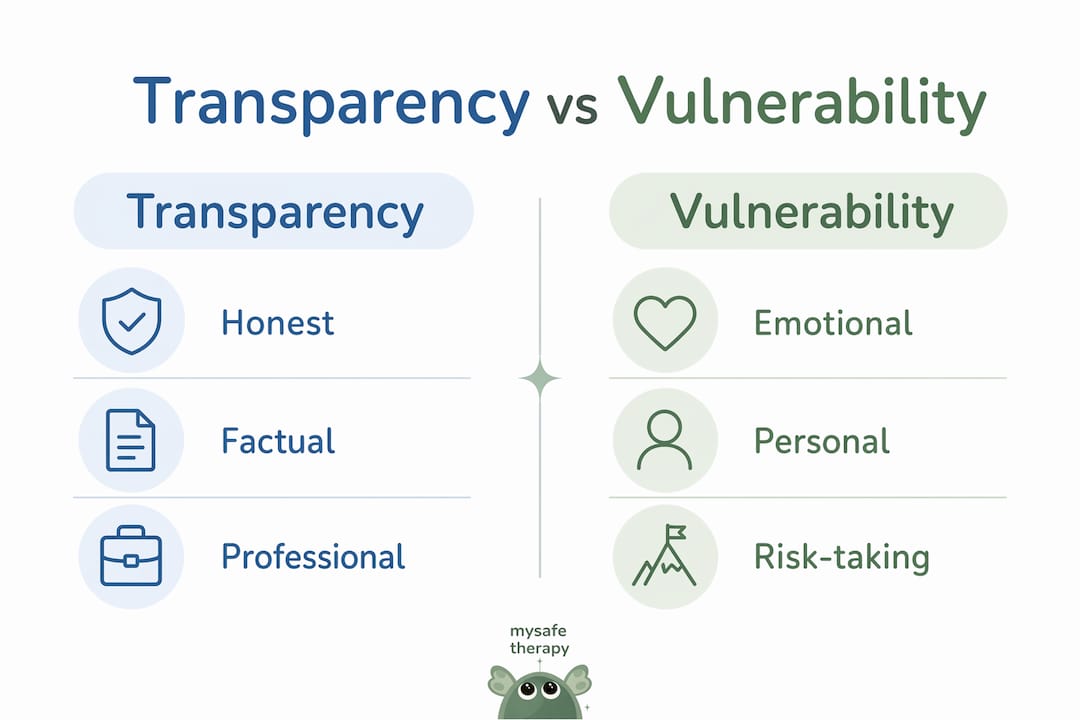
Therapists need to balance transparency with professional boundaries. Full personal disclosure from a therapist is not transparency. It is a boundary violation. Distinguishing the two helps therapists provide appropriate levels of openness without compromising the professional integrity of the relationship.
Pro Tip: If your therapist shares something personal about themselves, it is worth reflecting on whether it felt helpful or distracting. Appropriate self-disclosure by a therapist is purposeful and brief. It serves your process, not theirs.
What are the privacy and technology challenges in transparent therapy?
Digital therapy introduces a new layer of transparency obligations that did not exist a decade ago. Only about 11% of surveyed respondents were open to AI being used in their mental health care. That figure reflects a significant trust deficit around technology in therapeutic settings, and it places a clear responsibility on therapists to communicate openly about how digital tools are used.
AI note-taking tools are now used by a growing number of therapists to transcribe and summarise sessions. The efficiency benefit is real. The privacy concern is equally real. Clients must be spoken to explicitly about recordings and data use, because any hint that sessions are accessed by third parties can inhibit disclosure and break psychological safety.
The key areas where technology demands transparent communication include:
- Whether sessions are recorded, transcribed, or summarised using AI tools
- Which third-party platforms or software process session data
- Where data is stored, including whether it is held on UK or overseas servers
- Who has access to notes, including supervisors, administrators, or platform providers
- How long data is retained and the process for deletion upon request
Proactively explaining workflows and access risks improves client trust and the quality of disclosure. Therapists who address these questions without being asked signal that they take privacy seriously. Clients who receive this information upfront are less likely to self-censor during sessions. For a broader look at how digital tools are reshaping the therapeutic relationship, the guide on technology in therapy for UK adults provides useful context.
Clients may also alter what they disclose if they are uncomfortable with recording or third-party access. Therapists should disclose fully and revisit consent regularly, not just at the initial assessment. Consent is not a one-time event. It is an ongoing conversation.
How can clients encourage transparency in their therapy?
Transparency in the therapeutic relationship is not solely the therapist's responsibility. Clients who engage openly and ask direct questions get more from the process. The following approaches are practical and appropriate to raise with any UK-registered therapist.
- Ask about the approach. Request a plain-language explanation of the therapeutic model being used and why it suits your presenting concerns.
- Clarify costs upfront. Understanding why transparent pricing in therapy matters means you can commit to a course of treatment without financial anxiety disrupting your focus. Ask about session fees, cancellation charges, and any additional costs before you begin.
- Raise discomfort early. If something in a session feels wrong or confusing, say so in the moment or at the start of the next session. Therapists cannot address what they do not know about.
- Ask about your records. You are entitled to know how your notes are stored and who can access them. This is not a confrontational question. It is a reasonable exercise of your rights under UK data protection law.
- Discuss progress openly. Ask your therapist how they assess whether therapy is working and what signs of progress look like for your specific goals.
- Express your expectations. Be clear about what you are hoping to achieve and in what timeframe. Therapists can only calibrate their approach when they understand what you need.
The importance of honesty in therapy runs in both directions. A therapist's openness creates the conditions for your own. The more you practise transparency about your experience, the more useful the therapeutic relationship becomes.
Key takeaways
Transparency in therapy is the mechanism through which trust is built, maintained, and deepened. Without it, neither the therapist nor the client can do their best work.
| Point | Details |
|---|---|
| Transparency builds trust | Clear communication about processes and rationale reduces client anxiety and increases engagement. |
| Ethical frameworks mandate disclosure | BACP and UKCP require therapists to communicate risks, costs, boundaries, and record-keeping practices. |
| Transparency differs from vulnerability | Factual openness creates the safety that emotional vulnerability requires. They are sequential, not simultaneous. |
| Digital therapy demands explicit consent | AI tools and electronic records require therapists to explain data handling clearly and revisit consent regularly. |
| Clients can drive transparency | Asking direct questions about approach, costs, and records is appropriate and improves therapeutic outcomes. |
Transparency in therapy: the Mysafetherapy view
The most common misconception about transparency in therapy is that it is primarily about what the therapist reveals. In our experience at Mysafetherapy, the more consequential transparency is what the client feels safe enough to say. A therapist's openness about their methods, their limitations, and the practical details of the relationship creates the conditions for that client disclosure. Without those conditions, sessions can feel productive on the surface while the real issues remain unspoken.
There is also a tendency to treat transparency as a one-off administrative task, something handled in the first session and then filed away. That approach misses the point. Transparency is a practice, not a document. It requires therapists to check in regularly, revisit consent, and remain open to questions at any stage of the therapeutic process. Clients who know they can ask questions without disrupting the relationship are the ones who actually ask them.
The rise of digital therapy has made this more complex, not less. At Mysafetherapy, we believe that explaining how data is handled, who can access session notes, and what technology is used in the process is not optional. It is the baseline for any trustworthy therapeutic relationship in 2026. Clients who receive that information upfront are more likely to disclose fully, engage consistently, and make genuine progress.
— MySafeTherapy
Start therapy with confidence at Mysafetherapy
Mysafetherapy connects UK adults with BACP, UKCP, and NCPS-registered therapists who operate with clear, transparent pricing and no hidden costs. Every therapist on the platform explains their approach, their boundaries, and their data practices from the first session. You can choose from video, chat, or avatar-based sessions, with appointments available evenings and weekends to fit your schedule. If you want to understand what therapy involves before you commit, or if you are ready to begin, start therapy today and take the first step with a team that puts your safety and clarity first.
FAQ
What is the role of transparency in therapy?
Transparency in therapy means a therapist communicates openly about their methods, boundaries, costs, and data practices. It builds trust, reduces client anxiety, and creates the psychological safety needed for effective disclosure and progress.
Why does transparent pricing in therapy matter?
Clear, upfront pricing removes financial uncertainty, which is a common source of anxiety that can disrupt focus during sessions. Knowing the full cost of therapy before starting allows clients to commit without distraction or resentment.
How is transparency different from vulnerability in therapy?
Transparency involves factual, honest communication about processes and roles. Vulnerability is emotional honesty that requires trust to be present first. Transparency creates the conditions that make vulnerability possible over time.
What should therapists disclose about AI and digital tools?
Therapists should explain whether AI tools are used to transcribe or summarise sessions, where data is stored, who has access, and how long records are retained. Clients should be asked for explicit consent and that consent should be revisited regularly.
How can I encourage more transparency from my therapist?
Ask direct questions about their therapeutic approach, your records, cancellation policies, and how progress is assessed. Raising concerns early and expressing your expectations clearly are both appropriate and improve the quality of the therapeutic relationship.