

TL;DR:
- LGBTQ+ affirming therapy combines evidence-based modalities like CBT, DBT, and ACT with a trauma-informed framework that validates identity. It actively addresses external stigma and systemic harm as sources of distress rather than treating identity as a problem. Choosing a competent, culturally humble therapist who applies these principles ensures safe, effective support tailored to your needs.
LGBTQ+ affirming therapy is defined as a framework that applies evidence-based therapies whilst validating sexual orientation and gender identity as normal human variations, not pathology. The types of therapy for LGBTQ+ individuals span cognitive behavioural therapy (CBT), dialectical behaviour therapy (DBT), acceptance and commitment therapy (ACT), trauma-informed care, and specialised formats including couples, family, and group therapy. Each of these modalities is adapted to respect and support LGBTQ+ identities rather than treating them as problems to be resolved. Choosing the right approach depends on your specific mental health needs, life circumstances, and personal preferences.
1. What makes therapy truly LGBTQ+ affirming?
Affirming therapy is a framework, not a single technique. It applies established evidence-based modalities with one consistent principle: your sexual orientation and gender identity are valid, and any distress you experience originates from external stigma and systemic harm, not from who you are. This distinction changes everything about how a therapist frames your experiences, asks questions, and measures progress.
Affirming is not simply polite language or a welcoming waiting room. It means the therapist actively addresses stigma as a clinical concern, adapts standard techniques to identity-based fears such as misgendering, and treats minority stress as a root cause of anxiety and depression rather than a background detail. Superficial kindness from a therapist who lacks genuine competency is insufficient for queer clients who need specific, informed adaptations.
2. Cognitive behavioural therapy (CBT) adapted for LGBTQ+ clients
CBT is one of the most widely used evidence-based therapies in LGBTQ+ mental health care. In its standard form, CBT identifies unhelpful thought patterns and replaces them with more balanced ones. When adapted affirmingly, it carefully distinguishes between genuinely distorted thinking and realistic appraisals of discrimination, rejection, or safety concerns.

A queer client who fears being outed at work is not catastrophising. An affirming CBT therapist recognises this and works with the client to build coping strategies and boundaries rather than simply challenging the thought as irrational. This nuance is what separates affirming CBT from generic CBT, and it requires specific training and cultural humility from the practitioner.
3. Dialectical behaviour therapy (DBT) and its unique benefits
DBT was originally developed for borderline personality disorder but is now applied broadly to emotional regulation, self-harm, and crisis management. For LGBTQ+ clients, DBT's skills-based structure offers particular value because it teaches distress tolerance and interpersonal effectiveness in concrete, practisable steps.
The interpersonal effectiveness module is especially relevant for queer individuals managing complex family dynamics, coming-out conversations, or workplace discrimination. DBT does not require a client to accept harmful situations. It builds the capacity to tolerate distress whilst taking considered action, which is a meaningful distinction for anyone navigating minority stress.
4. Acceptance and commitment therapy (ACT) for identity and stigma
ACT focuses on psychological flexibility: accepting difficult thoughts and feelings without being controlled by them, and committing to values-driven action. For LGBTQ+ clients, ACT addresses stigma-related stress by helping individuals separate their sense of self from internalised shame or external judgement.
The values clarification component of ACT is particularly powerful. Many queer individuals have spent years suppressing or editing their values to fit social expectations. ACT creates structured space to identify what genuinely matters to you and build a life aligned with those values, regardless of what others think. This is not abstract philosophy. It is a practical clinical tool with measurable outcomes.
5. Specialised therapy formats for different LGBTQ+ needs
LGBTQ+ specific programmes offer multiple formats to reflect the genuine diversity of client needs. The right format depends on your current situation, relationships, and goals.
- Individual therapy addresses personal identity, mental health, and life history in a private, confidential setting. It is the most common starting point and suits a wide range of concerns from anxiety and depression to gender dysphoria and trauma.
- Couples and relationship therapy is adapted for queer relationship dynamics, including same-sex couples, non-monogamous partnerships, and relationships navigating transition. The best therapy for gay couples and other queer partnerships uses inclusive frameworks that do not impose heteronormative assumptions about roles or commitment.
- Family therapy supports families navigating a member's coming out, gender transition, or identity disclosure. It recognises varied family constellations and works towards acceptance rather than compliance.
- Adolescent and youth therapy uses trauma-informed, validating approaches that prioritise safety and choice. Therapists working with LGBTQ+ young people ask permission before discussing distressing experiences and contextualise stigma as external harm, not personal deficiency.
- Group therapy and peer support build community and reduce isolation. Sharing experiences with others who understand minority stress from the inside has a distinct therapeutic value that individual therapy cannot fully replicate.
6. Trauma-informed care: why it matters for LGBTQ+ clients
Trauma-informed care is a clinical approach that operationalises safety, trust, and empowerment through specific session practices. For LGBTQ+ clients, this includes pacing discussions carefully, seeking explicit permission before exploring distressing material, and naming identity-based harms as external rather than internal.
The distinction between internal deficiency and external harm is clinically significant. Bi-erasure, family rejection, and workplace discrimination are things that happened to you. They are not evidence of something wrong with you. Trauma-informed therapists make this explicit and build treatment plans that address the real source of distress.
Conversion therapy sits at the opposite end of this spectrum. It has been unequivocally condemned as harmful and ineffective by every major professional body, including the British Association for Counselling and Psychotherapy (BACP) and the UK Council for Psychotherapy (UKCP). Any therapist who suggests changing your sexual orientation or gender identity is not offering therapy. They are causing harm. You can verify a therapist's professional registration and standards through resources like Mysafetherapy's therapist standards page.
Pro Tip: Ask your therapist directly: "How do you approach trauma that is connected to my identity?" A competent affirming therapist will give you a specific, considered answer. Vague reassurances about being "open to everyone" are not sufficient.
7. Online vs in-person LGBTQ+ affirming therapy: a comparison
Virtual therapy supports identity work and mental health treatment from home, which removes several practical barriers for LGBTQ+ clients. The growth of telehealth has made affirming care more accessible, particularly for those in rural areas, those who are not out in their local community, or those with limited mobility.
| Format | Key advantages | Considerations |
|---|---|---|
| Online therapy | Privacy at home, no travel, wider therapist choice | Requires stable internet and private space |
| In-person therapy | Physical presence, non-verbal cues, structured separation from home | May limit therapist choice, especially in rural areas |
| Chat or text therapy | Highly discreet, accessible at flexible times | Less real-time emotional attunement |
| Avatar-based therapy | Anonymity for those not ready to appear on camera | Newer format, fewer therapists trained in it |
Affirming care is fully maintainable across all formats. The therapist's competency and approach matter far more than the delivery channel. When evaluating online providers, check whether their therapists hold accreditation from BACP, UKCP, or the National Counselling and Psychotherapy Society (NCPS), and whether they explicitly describe LGBTQ+ affirming practice as part of their training.
8. How to choose the right therapist for your needs
Affirming therapy requires ongoing education and cultural humility from therapists, beyond basic diversity training. Claiming to be "LGBTQ+ friendly" is not the same as being clinically competent in affirming care. Here is how to tell the difference.
- Ask how the therapist adapts CBT, DBT, or ACT specifically for LGBTQ+ identity concerns. A competent therapist will give concrete examples, not generalities.
- Ask how they measure progress on issues related to minority stress, internalised shame, or identity-based anxiety.
- Confirm they hold current registration with a recognised professional body such as BACP or UKCP.
- Ask directly whether they practise or endorse any form of conversion or reparative therapy. The answer must be an unambiguous no.
- Consider whether you want a therapist who shares your identity or one with deep competency in queer experiences. Both can work, but your comfort and safety come first.
Pro Tip: The most reliable indicator of genuine affirming competency is a therapist who can explain specific adaptations and outcome measures for LGBTQ+ clients. If they cannot answer this question clearly, keep looking.
Effective therapy techniques for LGBTQ+ clients are not a separate category of care. They are standard evidence-based modalities delivered with genuine competency, cultural humility, and an affirming framework.
Key takeaways
The most effective types of therapy for LGBTQ+ individuals combine evidence-based modalities such as CBT, DBT, and ACT with an affirming, trauma-informed framework that treats identity as valid and stigma as the clinical concern.
| Point | Details |
|---|---|
| Affirming therapy is a framework | It adapts CBT, DBT, and ACT to validate identity rather than treating it as the problem. |
| Format matters for accessibility | Online, chat, and avatar therapy remove barriers for LGBTQ+ clients who need privacy or flexibility. |
| Trauma-informed care is non-negotiable | Pacing, permission-taking, and externalising stigma protect clients from retraumatisation. |
| Conversion therapy causes harm | It is condemned by BACP, UKCP, and NCPS. Any offer of it is a clear red flag. |
| Therapist competency over claims | Ask for specific adaptations and outcome measures, not just a declaration of being LGBTQ+ friendly. |
Mysafetherapy's view on affirming care
The most common misconception about LGBTQ+ therapy is that it is primarily about talking through identity. It is not. The most effective affirming therapy spends the majority of its time on the same things all good therapy addresses: anxiety, relationships, self-worth, and coping. The difference is that an affirming therapist never treats your identity as the source of those difficulties.
What we observe consistently is that clients who find a genuinely competent affirming therapist make faster progress, not because the therapy is different in structure, but because they are not spending energy managing the therapeutic relationship itself. Safety in the room is not a bonus. It is a clinical prerequisite.
LGBTQ+ mental wellness therapies are evolving. Avatar therapy, asynchronous text counselling, and AI-assisted journalling are expanding access for people who are not yet ready for face-to-face sessions. These are not lesser options. For some clients, they are the right starting point. The goal is to find care that fits your life, not to fit your life around care.
— Mysafetherapy
Start therapy with a therapist who truly understands
Mysafetherapy connects you with UK-accredited therapists registered with BACP, UKCP, and NCPS, many of whom specialise in LGBTQ+ affirming care. Sessions are available via video, chat, and avatar formats, with evening and weekend appointments to fit your schedule.
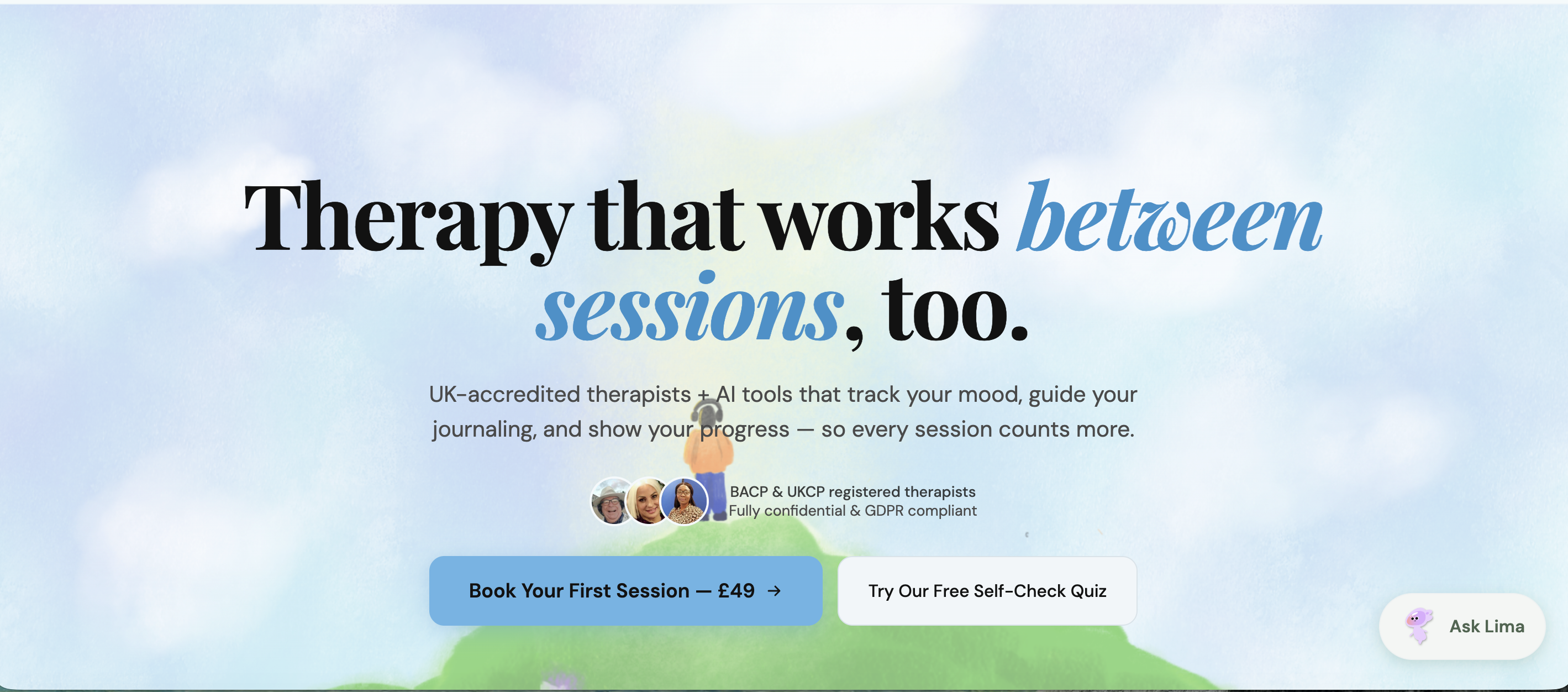
Whether you are exploring therapy for the first time or looking for a better fit after a previous experience, Mysafetherapy offers a confidential, flexible environment where your identity is respected from the first session. You can start therapy today or browse available therapists to find the right match. For those who prefer complete anonymity, avatar therapy from £49 provides a discreet entry point into affirming mental health support.
FAQ
What is LGBTQ+ affirming therapy?
LGBTQ+ affirming therapy is a clinical framework that applies evidence-based modalities such as CBT, DBT, and ACT whilst treating sexual orientation and gender identity as normal variations. It addresses minority stress and external stigma as the source of distress, not the client's identity.
Is online therapy as effective as in-person therapy for LGBTQ+ clients?
Virtual therapy is fully capable of delivering affirming, evidence-based care and offers additional benefits including privacy, flexibility, and access to a wider range of competent therapists. The therapist's training and approach determine effectiveness, not the delivery format.
How do I know if a therapist is genuinely LGBTQ+ affirming?
Ask how they adapt specific evidence-based models for LGBTQ+ identity concerns and how they measure progress on minority stress or internalised shame. A competent affirming therapist will answer with specifics, not generalities.
What therapy formats are available for LGBTQ+ individuals?
Individual, couples, family, youth, and group therapy are all available in affirming formats, alongside online video, chat, and avatar-based sessions. The right format depends on your personal needs, circumstances, and comfort level.
Is conversion therapy ever a legitimate option?
Conversion therapy is condemned as harmful and ineffective by all major professional bodies including BACP and UKCP. No legitimate therapist will offer it, and any suggestion of it is an immediate red flag to end the therapeutic relationship.