

Therapy, particularly CBT, ACT and trauma-focused approaches, can reduce climate-related distress when it starts to affect sleep, work or relationships. Guided self-help and evidence-based coping strategies also help many people manage day-to-day worry. If concern about climate change is disrupting your life, two immediate steps help: limit news exposure for the rest of today, and make one practical plan, whether that is contacting NHS talking therapies or booking an online assessment. This article covers symptoms, coping techniques, therapy options and how to find support.
TL;DR:
- Climate anxiety can significantly impair daily functioning when symptoms such as sleep disruption, avoidance, and emotional distress persist for weeks and interfere with work or relationships.
- Managing news exposure by setting fixed checking times and engaging in grounding techniques like nature contact or the 5-4-3-2-1 method helps regulate acute anxiety spikes.
- Therapy options like CBT, ACT, and trauma-focused approaches are effective in reducing symptoms and help channel worry into constructive actions without diminishing concern for the climate.
- Self-referral to NHS talking therapies is a free and accessible route, but private or online therapy offers faster access and specialized support, with accreditation and transparent pricing essential criteria.
- Urgent mental health crises involving thoughts of suicide, panic that won’t subside, or inability to function require immediate professional assessment or emergency services.
Table of Contents
- What climate anxiety actually means
- Symptoms, daily impact, and when to get an assessment
- Practical ways to cope with climate anxiety right now
- How therapy for climate anxiety actually works
- Getting help: NHS and private routes, step by step
- When climate distress becomes an emergency
- What therapy can realistically offer someone worried about the planet
- Finding therapy support that fits your situation
- Where these facts come from
- Sources
- FAQ
What climate anxiety actually means
Climate anxiety, sometimes called eco-anxiety, describes persistent worry, grief or dread connected to climate change and its consequences. Related terms carry distinct meanings. Climate grief refers to mourning for lost species, landscapes or a stable future. Solastalgia describes distress caused by watching a home environment change or degrade. Eco-distress is a broader label covering the full range of difficult emotions tied to ecological loss.
None of these are automatically mental illness. The Royal College of Psychiatrists frames eco-distress as a meaningful response to a genuine threat, not a faulty one, and recommends validation and social support rather than treating the feeling itself as a problem to eliminate. That framing matters because it changes what help should look like. A therapist working with climate anxiety is not trying to talk someone out of caring about the planet. The goal is to stop that concern from becoming so overwhelming that it blocks sleep, work or relationships.
This is also why self-blame often makes things worse. People experiencing climate grief sometimes assume they are overreacting or being irrational, when in fact their nervous system is responding proportionately to real information about ecological risk. Recognising the feeling as valid, rather than pathological, is often the first useful step, and it is one professional bodies increasingly build into their guidance for clinicians and the public alike.

Symptoms, daily impact, and when to get an assessment
Climate anxiety shows up differently from person to person, but certain patterns recur. Cognitive symptoms include intrusive thoughts about the future, rumination on worst-case scenarios and difficulty concentrating. Emotional symptoms range from persistent sadness and guilt to irritability and a sense of powerlessness. Physical symptoms can include disrupted sleep, muscle tension, panic episodes and fatigue.
The distinction between ordinary concern and a clinical problem usually comes down to function, not intensity of feeling.
- Sleep disruption: regularly lying awake ruminating on climate-related fears.
- Avoidance: withdrawing from news, conversations or social situations that touch on the topic.
- Work or relationship strain: distress spilling into missed deadlines, conflict or reduced patience with others.
- Panic responses: sudden waves of fear or physical symptoms triggered by climate-related content.
- Persistent low mood: sadness or hopelessness that does not lift after a difficult news cycle passes.
When several of these persist for weeks and start eroding daily functioning, that is the point to seek an assessment rather than wait it out. Climate anxiety frequently overlaps with generalised anxiety disorder or depression, and a proper assessment through NHS talking therapies helps identify which approach fits your situation rather than guessing.
Practical ways to cope with climate anxiety right now
Coping strategies work best when they target three things: information overload, physical dysregulation and the sense of powerlessness that climate news tends to produce; practical approaches to reduce stress and improve focus can be found in this Гид за справяне със стреса: Практически стратегии за фокус guide. None of these require a diagnosis or a referral to start.
Information hygiene comes first because unlimited exposure to distressing content keeps the nervous system on alert. Set fixed times to check climate news, perhaps once in the morning and once in the evening, rather than scrolling throughout the day. Unfollow accounts that produce dread without adding useful information, and replace that time with a scheduled update from a single trusted source instead.
Nature contact and grounding help regulate the body when anxiety spikes. A short walk outside, even ten minutes in a park, counts as a micro-nature break and can lower physical tension. The 5-4-3-2-1 grounding technique, naming five things you can see, four you can touch, three you can hear, two you can smell and one you can taste, interrupts spiralling thoughts by anchoring attention in the present. Peer-reviewed work on coping strategies for climate anxiety notes that mindfulness and breathing practices support emotion regulation and build resilience over time.
Meaning-focused coping shifts the emotional weight of helplessness towards agency. Volunteering for a local environmental project, joining a climate café, or channelling worry into creative work such as writing or art gives the feeling somewhere to go. The RCPsych's evidence synthesis notes that individual and collective action can reduce eco-anxiety by increasing agency and social connection.
Daily routines matter more than they sound. Consistent sleep timing, regular movement and a short journaling habit each evening give the nervous system predictable structure. Choosing one small behaviour change, such as a weekly volunteering slot or a fixed exercise time, restores a sense of control that climate anxiety tends to erode.
Community support reduces isolation in a way solitary coping cannot. BACP notes that peer support groups and climate-aware community spaces, including listening circles, act as useful adjuncts to formal therapy. Social prescribing schemes, where available, can connect people to these groups through a GP or link worker.
Pro Tip: Pick one coping strategy from each category, information limits, a grounding exercise and one meaning-focused activity, rather than trying all of them at once.

How therapy for climate anxiety actually works
Therapy does not aim to convince someone that climate change is not worth worrying about. It aims to stop that worry from overwhelming daily life while keeping the underlying concern intact and, ideally, channelled into something constructive.
GOV.UK's climate change and mental health report finds that cognitive behavioural therapy, acceptance and commitment therapy, and trauma-focused approaches reduce anxiety, depression and PTSD symptoms following climate-related events. CBT works by identifying thought patterns that amplify distress, such as catastrophic thinking, and building more balanced responses. Read more on how CBT works for anxiety and what sessions typically involve. ACT takes a different route, helping people accept difficult emotions rather than fight them, while committing to actions aligned with their values. Trauma-focused therapies are more relevant for people who have lived through climate-related disasters directly, such as flooding or wildfire, rather than those experiencing anticipatory worry alone.
Across approaches, the therapeutic goals tend to be consistent:
- Validation of the emotional response as reasonable, not excessive.
- Grief processing for losses already experienced or anticipated.
- Reducing avoidance of climate-related information or conversations that have become distressing.
- Values-based action planning to convert helplessness into a sense of direction.
The same GOV.UK report also finds that digital interventions, delivered through web platforms, apps or text-based support, show high acceptability and effectiveness for climate-affected populations, and that outcomes improve when people complete more modules or receive some therapist support alongside automated content. This supports a stepped-care approach: guided self-help first, then NHS talking therapies for structured CBT or ACT, then specialist psychotherapy for people whose distress is bound up with trauma, complicated grief or long-standing anxiety patterns.
Getting help: NHS and private routes, step by step
Access in practice usually follows one of two paths, and knowing the sequence saves time.
- Self-refer to NHS talking therapies. Adults can self-refer without a GP appointment for anxiety and depression, and NHS England confirms this route gives access to NICE-recommended approaches such as CBT, free of charge. Our guide to self-referral therapy walks through the practical steps, and starting NHS talking therapies online covers what a remote assessment involves.
- Consider private or online therapy if you want faster access, a specific modality, or a therapist familiar with climate-related distress specifically. Private options tend to offer shorter waiting times and more flexibility over session format.
- Check accreditation before booking anywhere. Look for therapists registered with BACP, UKCP or NCPS, since accreditation confirms training standards and ethical oversight.
- Compare format and pricing. Some services offer video, chat or even avatar-based sessions for people who prefer more anonymity, and pricing should be transparent before you commit.
- Ask about switching. A good service lets you change therapist if the fit is not right, rather than locking you into one clinician regardless of outcome.
For a fuller comparison of routes, NHS therapy versus private counselling sets out typical waiting times and costs side by side.
When climate distress becomes an emergency
Most climate anxiety, however uncomfortable, does not require emergency care. Some signs do. Thoughts of suicide or self-harm, panic that will not subside, or a complete inability to function at work, home or in relationships all warrant urgent attention rather than a wait-and-see approach.
A simple safety plan helps at that moment: write down your early warning signs, list two or three emergency contacts, remove or secure anything you might use to harm yourself, and arrange an urgent assessment as soon as possible. In England, NHS 111 can direct you to local mental health crisis support, and local crisis teams operate outside standard office hours. If there is immediate danger to life, call emergency services without delay.
What therapy can realistically offer someone worried about the planet
Therapy will not resolve the climate crisis, and no therapist should promise that it will. What it offers is more modest and more achievable: validation of a difficult emotional response, structured grief processing, and help converting helplessness into sustained, value-driven action rather than paralysis.
Accredited therapists working across video, chat and avatar-based formats can support a stepped approach, starting with self-help tools between sessions and adjusting intensity as needed, without demanding a rigid weekly commitment from day one. Realistic timeframes matter here. Meaningful change over a few months of consistent work is a reasonable expectation. Combining therapy with community involvement and value-focused action tends to produce steadier results than therapy alone.
— MySafeTherapy
Finding therapy support that fits your situation
Once you have decided therapy is worth trying, the practical question becomes which format actually suits you. The platform connects people with UK-accredited therapists, offering one-to-one sessions by various formats including video, chat, or avatar-based options for those who prefer more distance from face-to-face contact.
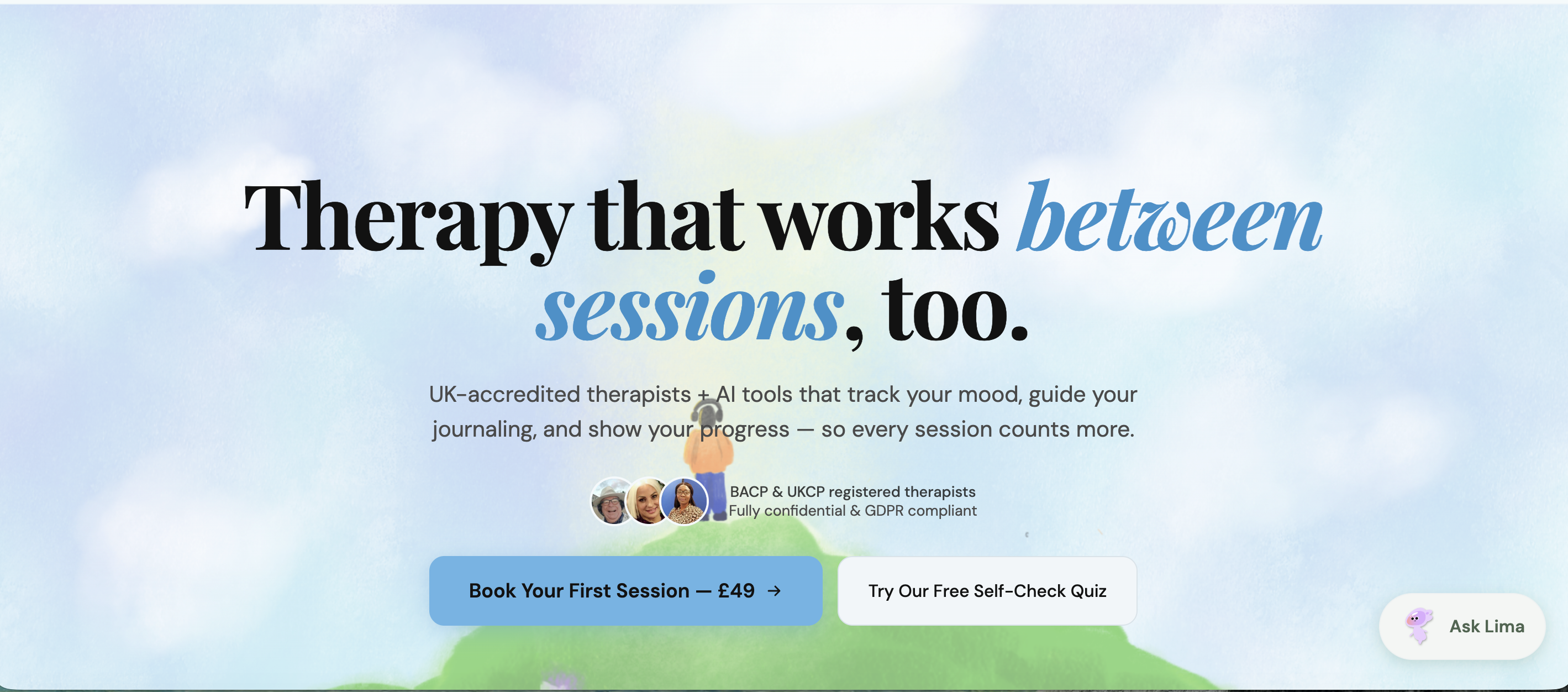
For climate anxiety specifically, that flexibility matters. Sessions are available on evenings and weekends, pricing is set out clearly in advance, and switching therapist is straightforward if the first match is not the right fit. Alongside live sessions, AI journaling and mood tracking provide users ways to notice patterns in their distress between appointments, supporting ongoing care.
- Anxiety therapy for persistent worry, panic or rumination tied to climate concerns.
- Individual therapy for one-to-one work at a pace that suits you.
- Group therapy for people who want peer connection alongside professional support.
Pricing runs from £50 per session for Online Therapy, with Essential sessions from £50 to £75, Standard from £80 to £110, Premium from £120 to £180 and Elite from £200, full details on the pricing page. If you are ready to talk to someone, you can start therapy and book an initial assessment today.
Where these facts come from
The guidance above draws on the following sources, each worth reading directly for policy detail or research depth.
- GOV.UK's climate change and mental health report on therapy effectiveness and digital interventions.
- NHS England on self-referral to talking therapies.
- Royal College of Psychiatrists briefing on eco-distress and clinical practice.
- Peer-reviewed coping strategies research on resilience and psychological capital.
- BACP guidance on counselling for eco and climate anxiety.
This article is general information, not a substitute for advice from a qualified doctor. Consult a qualified healthcare professional about your own circumstances before acting on anything here.
Sources
- Climate change and mental health: full report (GOV.UK)
- NHS England news: Thousands missing out on mental health treatment that could transform their lives
- Coping strategies for climate change anxiety: a perspective on building resilience through psychological capital
- RCPsych: The impact of climate change on mental health and emotional wellbeing: current evidence and implications for policy and practice
FAQ
How to calm climate anxiety?
Limiting news exposure to set times, spending short periods in nature and using grounding techniques such as the 5-4-3-2-1 method can ease acute distress. Longer term, meaning-focused activities such as volunteering or joining a peer support group tend to reduce the sense of helplessness that fuels ongoing anxiety.
Why is 2030 the point of no return?
This article does not cover specific climate deadline projections, since that claim depends on evolving climate science rather than mental health research. For accurate context on any particular date or target, consult a primary climate science source rather than a therapy-focused guide.
What are some holistic treatments for anxiety?
Approaches such as mindfulness, breathing exercises, regular physical activity and structured journaling support emotional regulation alongside formal therapy. Peer-reviewed work on coping strategies for climate-related distress notes that mindfulness and breathing practices in particular help build resilience over time, though they work best combined with, rather than instead of, professional support when distress is significant.
What is climate anxiety and how does it manifest?
Climate anxiety is persistent worry, grief or dread connected to climate change, distinct from related terms such as solastalgia and climate grief. It shows up as intrusive thoughts, sleep disruption, avoidance of climate-related news, irritability and, in more severe cases, panic episodes that interfere with daily functioning.