
TL;DR:
- Effective stress management involves regular physical activity, breathing exercises, and cognitive techniques tailored to individual patterns. Consistent practice of these strategies over weeks builds resilience, reduces cortisol, and improves mental well-being. Digital tools and professional support can enhance self-led efforts and address persistent stress effectively.
Stress management tips are practical, evidence-backed techniques designed to reduce the physical and psychological burden of stress and build long-term resilience. For UK adults, chronic stress is a recognised health concern, with NHS inform, the CDC, and digital platforms like SilverCloud all publishing structured guidance to address it. This article draws on that expert guidance to give you a clear, realistic set of strategies you can apply today, whether you are dealing with workplace pressure, financial worry, or the accumulated weight of daily life.
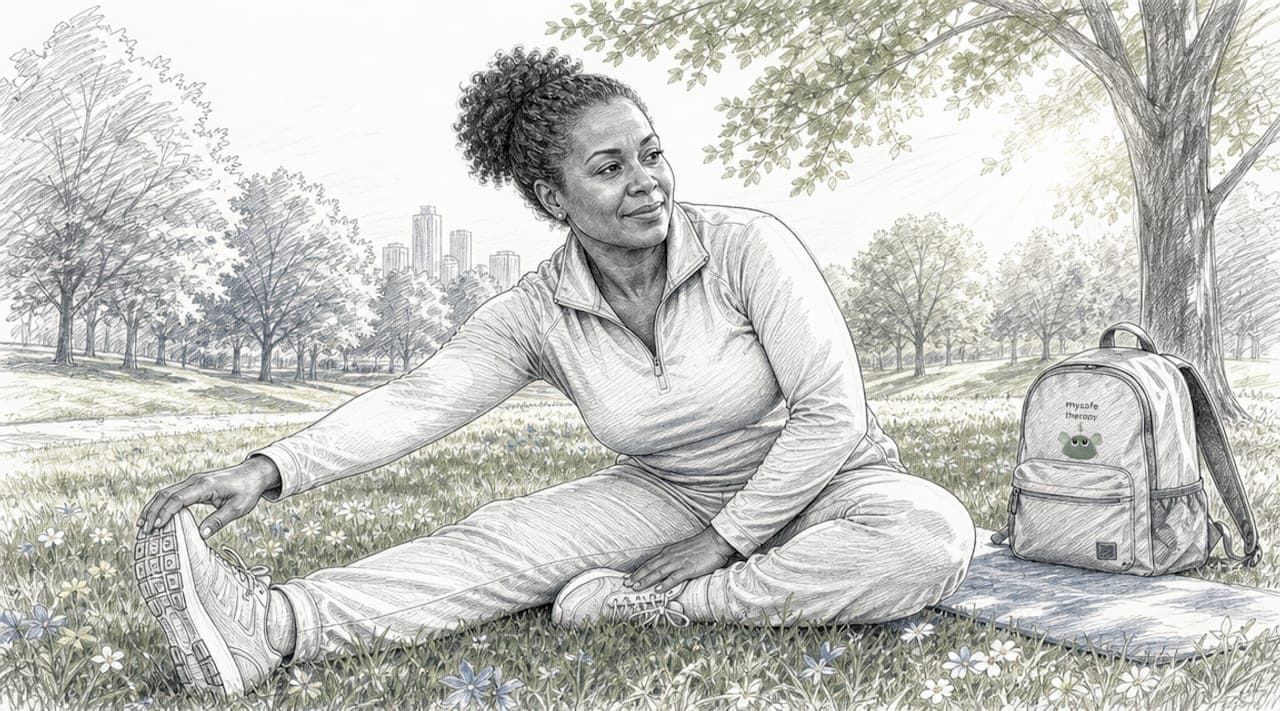
1. Effective stress management tips start with movement
Physical activity is one of the most well-evidenced ways to reduce stress. Aerobic exercise and yoga lower cortisol levels and improve mood, making them two of the most reliable tools available without a prescription. The effect is not limited to long gym sessions. Short, consistent movement throughout the day produces measurable results.
The CDC recommends that adults build up to 2.5 hours of moderate activity weekly, broken into sessions of 20 to 30 minutes. That translates to a brisk 25-minute walk five days a week, which is achievable even with a full schedule. The key is consistency rather than intensity.
Practical options for UK adults include:
- A 20-minute walk at lunch, particularly in green spaces such as a local park
- Yoga or tai chi sessions via free YouTube channels like Yoga with Adriene
- Indoor cycling or low-impact aerobics on rainy days
- Standing and stretching between work tasks at home or in the office
Pro Tip: Two or three short snippets of 5 to 10 minutes of movement spread across the day can reset your body's stress response just as effectively as a single longer session.
2. Breathing and grounding techniques for rapid stress relief
Breathing exercises and grounding methods are among the fastest anxiety management steps available. They work by activating the parasympathetic nervous system, which counteracts the fight-or-flight response triggered by stress. You do not need equipment or a quiet room. You need about two minutes.
Box breathing is the most widely recommended technique. Follow these steps:
- Inhale slowly through your nose for a count of four
- Hold your breath for a count of four
- Exhale slowly through your mouth for a count of four
- Pause for a count of four before the next breath
Box breathing and acceptance of stress, rather than suppressing it, down-regulate the nervous system more effectively than distraction or avoidance. Repeat the cycle four to six times to feel a noticeable shift in tension.
For grounding, the five-senses technique is equally direct. Name five things you can see, four you can hear, three you can touch, two you can smell, and one you can taste. Sensory grounding can break the acute stress cycle in as little as one to two minutes. This makes it one of the most practical stress relief tips for moments of acute anxiety at work or in public.

Pro Tip: Practise both box breathing and the five-senses technique during calm periods, not just when you are stressed. Regular rehearsal makes them far more effective when you actually need them.
3. Cognitive reframing and the worry window
Cognitive strategies address the thinking patterns that amplify stress. Cognitive reframing, a core technique in cognitive behavioural therapy (CBT), involves identifying a negative or catastrophic thought and deliberately examining the evidence for and against it. For example, the thought "I will definitely fail this presentation" becomes "I have prepared thoroughly and have delivered presentations successfully before."
Scheduling a dedicated worry window is a related technique with strong support from behavioural psychology. Worry windows allow you to contain anxious thoughts within a set period, preventing rumination from bleeding into the rest of your day. The recommended format is a 30-minute slot, ideally in the afternoon.
Key points for applying these strategies effectively:
- Write down the anxious thought before reframing it. Writing externalises the thought and makes it easier to examine objectively.
- Schedule your worry window at least two hours before bed. Heightened mental arousal close to bedtime disrupts sleep quality.
- Use a gratitude practice alongside reframing. Practising gratitude as a CBT strategy helps calm stress by shifting attention from threat to positive experience.
- Limit the worry window to one per day. Multiple sessions can reinforce rather than contain anxious thinking.
These cognitive tools are particularly useful for adults whose stress is primarily mental rather than physical, such as those dealing with work deadlines, relationship concerns, or financial pressure.
4. Digital tools and support services for UK adults
Digital platforms have made structured stress relief strategies more accessible than at any previous point. For UK adults, several specific tools are worth knowing about.
SilverCloud offers an 8-week online programme for stress and anxiety management, with therapist-selected topics and self-paced progression. It is available through some NHS referral pathways, meaning it may be accessible at no cost depending on your location. The structured format suits adults who prefer a guided course over open-ended self-help.
The Breathing Space helpline provides immediate telephone support for people in Scotland experiencing stress or low mood. It operates from 6pm to 2am Monday to Thursday and runs 24 hours on weekends. For those who prefer not to speak to someone, text-based support is also available through Shout (text SHOUT to 85258).
Mindfulness apps provide a lower-commitment entry point for daily practice:
- Headspace offers guided meditations from three minutes upward, with specific programmes for stress and sleep
- Happify uses evidence-based activities drawn from positive psychology and CBT
- Calm includes breathing exercises, sleep stories, and body scan meditations
For those seeking structured self-help tools for anxiety, combining an app with a weekly check-in from a professional produces better outcomes than either approach alone.
5. Tracking stress and building personalised habits
Stress management is not uniform. Effective coping depends on identifying the type of stress you experience and applying techniques consistently over time. A stress diary is the most direct way to do this.
NHS inform recommends keeping a stress diary for two to four weeks to identify triggers and reactions more reliably than memory alone allows. Record the time, situation, your physical sensations, your thoughts, and your response. After two weeks, patterns become visible. You may notice that stress peaks on Sunday evenings, or that physical symptoms like tension headaches appear before cognitive ones like worry.
Use the diary to match techniques to your stress profile:
| Stress type | Recommended technique |
|---|---|
| Physical tension (tight shoulders, headaches) | Progressive muscle relaxation, yoga, short walks |
| Racing thoughts, rumination | Worry window, cognitive reframing, box breathing |
| Low mood, withdrawal | Aerobic exercise, gratitude practice, social contact |
| Acute panic or overwhelm | Five-senses grounding, box breathing, cold water on wrists |
| Generalised, background stress | Stress diary, SilverCloud programme, regular mindfulness |
The table above reflects the principle that stress management is not one-size-fits-all. Consistent practice over several weeks builds the neural pathways that make these techniques automatic under pressure.
Pro Tip: Review your stress diary at the end of each week rather than daily. Weekly review gives you perspective on patterns rather than reacting to individual difficult days.
Key takeaways
Consistent, targeted stress management techniques reduce cortisol, improve mood, and build resilience when practised regularly and matched to individual stress patterns.
| Point | Details |
|---|---|
| Movement reduces cortisol | Aim for 2.5 hours of moderate activity weekly, broken into 20 to 30-minute sessions. |
| Breathing resets the nervous system | Box breathing and sensory grounding can calm acute stress in under two minutes. |
| Cognitive tools contain rumination | A 30-minute worry window, scheduled away from bedtime, prevents anxious thoughts from dominating the day. |
| Digital tools extend access | SilverCloud, Headspace, and the Breathing Space helpline provide structured support without a GP referral. |
| Tracking reveals patterns | A two to four-week stress diary identifies triggers and guides which techniques to prioritise. |
What we have learned from working with stress at Mysafetherapy
The most common mistake people make with stress management is waiting until they are overwhelmed before applying any technique. By that point, the nervous system is already in a heightened state, and even effective tools feel like they are not working. The techniques in this article work best as preventive habits, not emergency measures.
We have also observed that people tend to abandon techniques too quickly. Box breathing feels awkward the first three times. A worry window seems artificial. Gratitude journalling can feel forced. None of that means the technique is wrong for you. It means you have not yet practised it enough for it to become automatic. Most evidence-based stress relief strategies require two to three weeks of consistent use before they produce reliable results.
The other pattern worth naming is the tendency to treat stress management as a solo project. Talking to a therapist, even briefly, often accelerates progress significantly. A professional can identify which techniques suit your specific stress profile and help you apply them correctly. That is not a sign of severity. It is simply the most direct route to results.
Be patient with the process. Stress did not accumulate overnight, and it will not resolve overnight either. Small, consistent actions compound over time into genuine resilience.
— MySafeTherapy
How Mysafetherapy can support your stress management
If you have worked through these strategies and want more structured support, Mysafetherapy connects you with UK-accredited therapists registered with BACP, UKCP, and NCPS. Sessions are available via video, chat, or avatar format, including evenings and weekends.
Therapists on the platform use evidence-based approaches including CBT, which underpins many of the cognitive techniques covered in this article. You can browse therapist profiles, review their specialisms, and start therapy online at a pace that suits you. All sessions are confidential, and pricing is transparent with no hidden fees. For adults managing stress alongside major life changes, life transitions therapy is also available through the platform.
FAQ
What are the most effective stress management tips?
The most effective techniques combine physical activity, breathing exercises, and cognitive strategies such as reframing and worry windows. Matching the technique to your specific stress symptoms, whether physical or cognitive, produces the best results.
How quickly do stress relief strategies work?
Grounding and box breathing can reduce acute stress within one to two minutes. Longer-term techniques like regular exercise and cognitive reframing typically require two to three weeks of consistent practice before producing reliable results.
What is a worry window and how do I use it?
A worry window is a scheduled 30-minute period each day dedicated to processing anxious thoughts. Set it in the afternoon, write down your concerns during that time, and redirect worry that arises outside the window back to the scheduled slot.
Are there free digital tools for stress management in the UK?
Yes. The Breathing Space helpline operates evenings and weekends for free telephone support. SilverCloud is available through some NHS referral pathways at no cost. Apps like Headspace and Calm offer free introductory content alongside paid subscriptions.
When should I seek professional help for stress?
Seek professional support when stress persists for several weeks, interferes with sleep or work, or leads to physical symptoms such as persistent headaches or chest tightness. A therapist can provide structured evidence-based strategies tailored to your specific situation.