

If you have a diagnosable mental health condition, ongoing emotional distress, or a history you need to process, therapy is usually the right route. If you're functioning well but stuck on clear, time-bound goals, life coaching often gets you further, faster. Many people use both, at different points, and accreditation checks matter for either choice.
TL;DR:
- Therapy is essential for those experiencing diagnosable mental health conditions, severe emotional distress, or prolonged symptoms like self-harm thoughts or substance misuse.
- Accredited therapists typically have extensive training, supervised practice, and ongoing ethical accountability, while coaching is unregulated but often holds voluntary credentials from recognized bodies.
- Therapy sessions usually last around 50 minutes and address emotional pain, whereas coaching focuses on goal achievement and habit formation with flexible formats and informal contact.
- Starting with a registered therapist is recommended when in doubt, as they can assess whether coaching or further mental health support is more appropriate.
- Combining therapy and coaching is common, with therapy resolving distress first, then coaching helping to implement goals based on gained insights.
Table of Contents
- Therapy vs life coaching: the core definitions
- Who benefits from therapy vs coaching: use cases and red flags
- Training, accreditation and safety: what to check in the UK
- Session structure, formats and cost: what to expect
- How to choose: a checklist before you book
- Can therapy and coaching work together?
- Our take on picking between therapy and coaching
- Ready to start with accredited therapy?
- Sources
- FAQ
Therapy vs life coaching: the core definitions
Therapy, also called counselling or psychotherapy, treats mental health conditions and emotional distress. It works with a trained, BACP or UKCP-registered practitioner who explores the "why" behind your patterns, often looking back at history, trauma, or diagnosable conditions like depression and anxiety. Life coaching, by contrast, works with the "how" and "what next": it's a results-orientated relationship focused on future goals, career changes, habits, and accountability.
The boundary isn't always a clean line. BACP notes that coaching is increasingly used for personal life transitions, and academic reviews describe coaching and psychotherapy as distinct but overlapping fields, with coaching evidence still developing in quality and volume.
In practical terms:
- Therapy addresses diagnosable conditions, trauma processing, and significant psychological suffering.
- Coaching addresses goal clarity, performance, and forward motion for people who are already stable.
- Overlap exists: some clinicians practise "therapeutic coaching" once acute distress has settled.
Neither label guarantees quality on its own. That's where training and accreditation come in.
Who benefits from therapy vs coaching: use cases and red flags
Matching the support to the person matters more than matching to a job title. Here's how the split usually plays out in practice:
- Therapy fits trauma recovery, persistent depression or anxiety, grief that isn't resolving, relationship breakdown involving deep emotional pain, or any situation where daily functioning has declined.
- Coaching fits career transitions, building confidence for a specific goal, improving habits or productivity, and accountability for people who already feel broadly well but want structured progress.
- Red flags that mean therapy, not coaching, include thoughts of self-harm or suicide, substance misuse, severe functional decline (unable to work, eat, or sleep properly), or symptoms that have lasted weeks without improvement.
If you're unsure which category you're in, that uncertainty itself is worth raising with a therapist first. Reputable coaches will screen for these signs and refer onward rather than continue coaching someone in crisis.
Training, accreditation and safety: what to check in the UK
Therapists registered with the BACP, UKCP, BPC or HCPC typically complete years of academic and clinical training, supervised practice, and ongoing ethical accountability. Life coaching carries no statutory regulation in the UK. Anyone can call themselves a coach, though credible practitioners hold voluntary credentials from bodies like the ICF, EMCC, or the Association for Coaching.
Before booking either, check for:
- Professional registration or accreditation (BACP, UKCP, HCPC for therapists; ICF or EMCC for coaches)
- Current DBS check and professional indemnity insurance
- Ongoing clinical supervision, not just a one-off qualification
- A written contract covering fees, cancellation, and confidentiality
- A stated referral pathway if your needs exceed their scope
Our guide to differences between BACP and UKCP breaks down what each registration actually verifies.
Pro Tip: Ask any practitioner, therapist or coach, "What happens if you think I need something you can't provide?" A confident, specific answer signals real professional accountability.
Session structure, formats and cost: what to expect
Therapy sessions typically run a "therapeutic hour", around 50 minutes, at a regular weekly or fortnightly cadence. Coaching sessions vary more: some run 60 to 90 minutes, spaced fortnightly or monthly around specific milestones. Coaches also tend to offer more informal contact between sessions, such as email check-ins, while therapists usually keep firmer boundaries outside session time.
Delivery formats now include:
- Online video sessions
- Text-based chat therapy
- Avatar-based sessions for people who want anonymity
On cost, private UK therapy commonly ranges from around £60 to £150 or more per session, and coaching fees vary similarly widely, from roughly £50 to £200 or more per hour or by package. NHS talking therapies are free but come with waiting lists.
How to choose: a checklist before you book
Work through this before your first call or message:
- Rate your distress level. If it's affecting sleep, work, or relationships significantly, lean towards therapy first.
- Clarify your goal. A specific, future-facing target ("I want a promotion within a year") suits coaching; ongoing emotional pain suits therapy.
- Verify qualifications. Ask directly which body they're registered or accredited with, and check the register yourself if possible.
- Check practical fit. Price, format, and availability all matter for whether you'll actually keep appointments.
When you speak to a practitioner, ask: "What's your registration or accreditation?", "Do you have clinical supervision?", "Have you worked with this issue before?", "What's your cancellation policy?", and "Can I contact you between sessions?"
Pro Tip: A vague answer about supervision or registration is itself useful information; it usually means you should keep looking. Our therapist registration safety guide covers exactly what to verify and how.
Can therapy and coaching work together?
Yes, and it's common practice. Many people complete therapy to resolve distress, then move into coaching to turn that insight into goal-directed action. Some clinicians offer "therapeutic coaching," an integrative approach built on explicit competence frameworks and supervision, never as a licence for non-clinicians to treat mental illness.
A good coach pauses and refers when distress resurfaces, substance use appears, or safety concerns emerge. Our comparison of ADHD coaching versus therapy shows how sequencing plays out for one common overlap case.
Our take on picking between therapy and coaching
The conventional advice, "just try both and see what fits," undersells how much registration status actually matters. A coach with no accreditation isn't necessarily bad at their job, but they carry no supervision requirement and no formal complaints route if something goes wrong. That gap is exactly where people with unrecognised mental health needs end up spending months on goal-setting exercises instead of getting proper support.
We think the smarter default is: when in doubt, start with a registered therapist. They're trained to assess whether coaching, rather than therapy, is actually what you need, and can refer you accordingly. Going the other way, from an unaccredited coach towards a mental health diagnosis, rarely happens as smoothly.
— MySafeTherapy
Ready to start with accredited therapy?
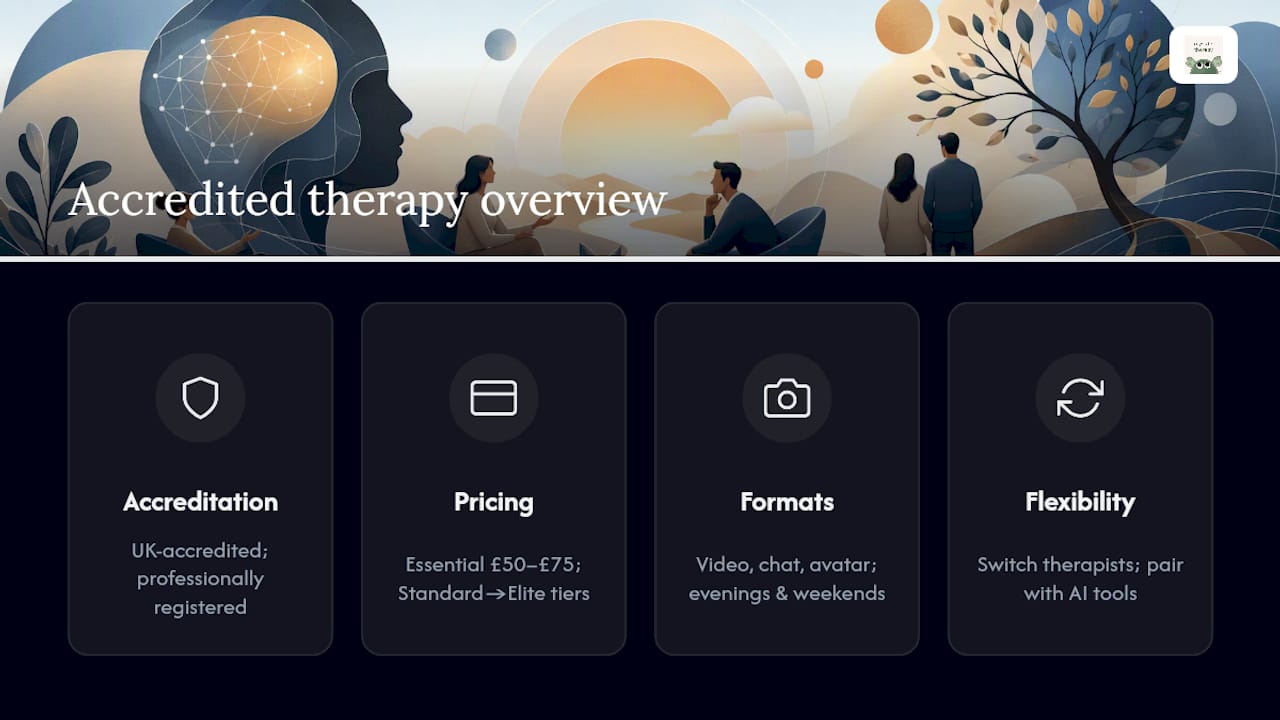
The platform connects users with UK-accredited therapists registered with professional bodies, aiming to provide timely access without long waiting lists. Sessions run by video, chat, or avatar, so you can choose the format that actually feels manageable, including evenings and weekends.
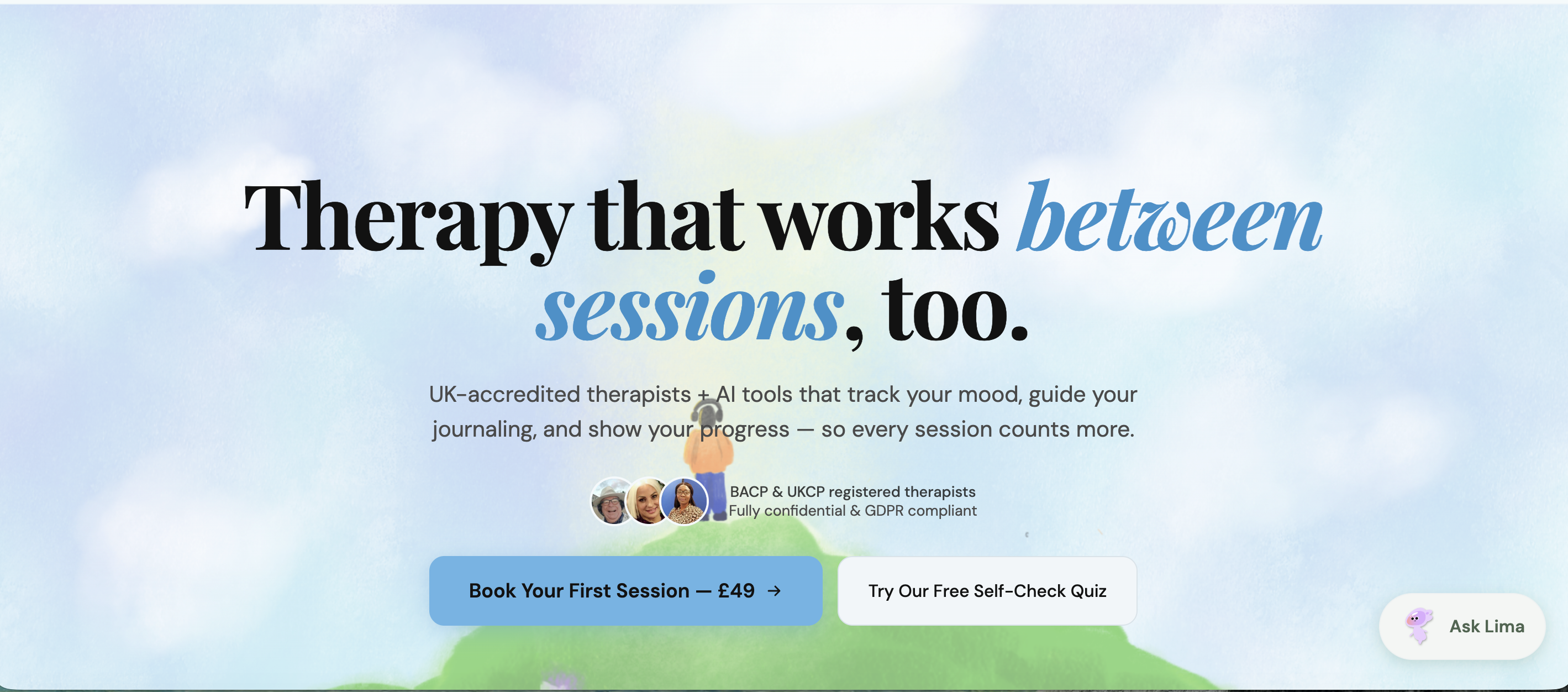
Pricing stays transparent throughout: Essential sessions from £50 to £75, rising through Standard, Premium, and Elite tiers depending on therapist experience and specialism. You can switch therapists freely if the first match isn't right, and pair sessions with the AI journaling and mood tracking tools for continuity between appointments. If chat feels more comfortable than video, chat therapy starts from the same £50 entry point.
Check current availability and start therapy today to get matched with a registered practitioner.
Sources
For deeper detail, BACP's coaching guidance explains the professional view on where coaching sits. Prospects covers training routes into coaching, and the PMC academic review examines the evidence base behind both fields.
This article is general information, not a substitute for advice from a qualified doctor. Consult a qualified healthcare professional about your own circumstances before acting on anything here.
- Training to become a life coach
- Coaching | Types of therapy — BACP
- Coaching vs psychotherapy in health and wellness — PMC
FAQ
What is better, a therapist or a life coach?
Neither is universally better; it depends on your situation. Therapy suits diagnosable conditions and emotional distress, while coaching suits people who are stable but want structured progress on specific goals.
Can my therapist be my life coach?
Some therapists do offer therapeutic coaching once acute issues have been processed, provided they follow clear competence and supervision frameworks. A coach without clinical training, however, cannot legally diagnose or treat mental health conditions.
How do I know if I need a therapist or a coach?
If distress is affecting your sleep, work, or relationships, or you've had thoughts of self-harm, start with a registered therapist. If you're generally stable and want help reaching a specific goal, a coach is usually appropriate.
Do I need a counsellor or a life coach?
Counsellors are trained to work with emotional difficulties and mental health conditions, and are typically registered with bodies like BACP. Life coaches focus on goals and accountability rather than psychological treatment, so the right choice depends on whether you're addressing distress or pursuing a target. Mysafetherapy connects readers who need clinical support with accredited UK therapists across several formats.