
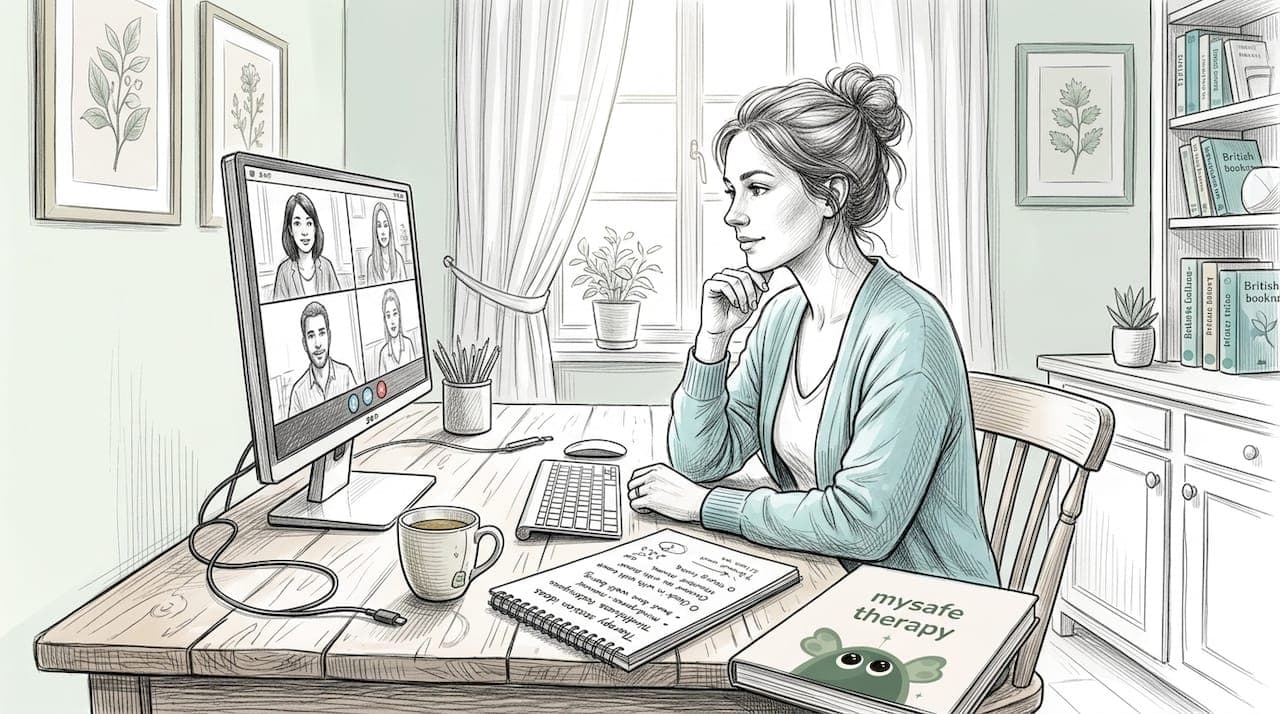
TL;DR:
- Video therapy has become an established and supported form of mental health care in the UK. It effectively reduces anxiety and depression symptoms through both live and automated formats, with high accessibility and convenience serving as key benefits. However, engagement remains crucial, as dropout rates can be high, and the therapeutic relationship relies on skilled human interaction.
Video therapy has moved from a pandemic workaround to a recognised form of mental health care in the UK. Yet many adults still question whether a screen can genuinely replace a therapy room. The role of video therapy is broader than most people expect. It covers live one-to-one sessions, digital CBT programmes, and blended care models that combine human guidance with structured exercises. This article explains how video therapy works, what the clinical evidence actually says, and how you can access it through the NHS or a private provider if you are managing anxiety or depression.
Table of Contents
- Key takeaways
- How video therapy works
- Evidence for video therapy effectiveness
- Benefits and limitations of video therapy
- Accessing video therapy in the UK
- My perspective on video therapy's place in mental health care
- Start video therapy with Mysafetherapy
- FAQ
Key takeaways
| Point | Details |
|---|---|
| Video therapy is clinically supported | RCT evidence shows moderate to large reductions in anxiety and depression symptoms with video-based interventions. |
| NHS access is straightforward | You can self-refer to NHS Talking Therapies for free video-delivered CBT and counselling without a GP referral. |
| Engagement determines outcomes | Dropout rates in digital programmes are high; completing sessions consistently is the single biggest factor in real-world effectiveness. |
| Live sessions outperform automated tools alone | Therapist interaction preserves non-verbal communication and the therapeutic relationship, both of which matter for recovery. |
| Private platforms offer speed and flexibility | UK-accredited private providers can connect you with a qualified therapist within days, with evening and weekend availability. |
How video therapy works
Video therapy for mental health covers several distinct formats, and understanding the difference matters before you commit to one. The two main categories are synchronous live sessions and automated video-based interventions. These are not interchangeable. They operate through different mechanisms and draw on different evidence bases.
Live video therapy replicates the structure of a traditional face-to-face session. A trained therapist and client meet in real time via a secure video platform such as a dedicated telehealth service or an end-to-end encrypted video tool. The therapist can read body language, respond to tone of voice, and adjust the session dynamically. This live interaction preserves the therapeutic alliance, which research consistently links to positive outcomes in treatments for anxiety and depression.
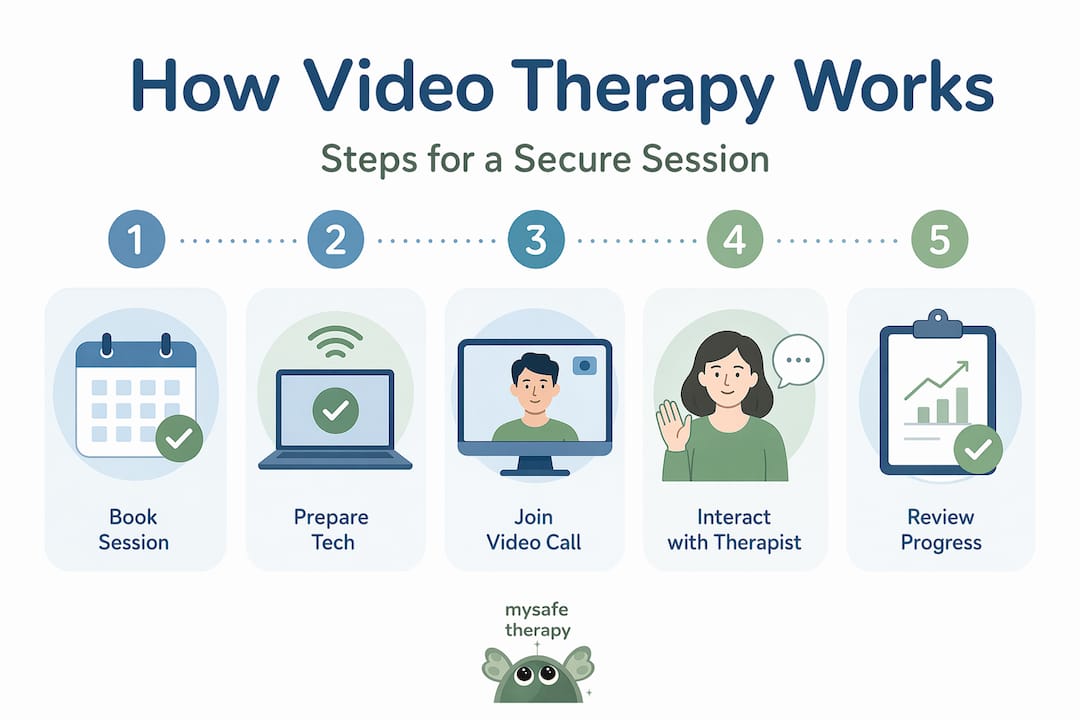
Automated video-based interventions work differently. They deliver pre-recorded psychological content, exercises, or skill-building modules through short video segments. Newly recommended digital CBT technologies combine these video elements with secure messaging and clinician monitoring rather than replacing human input entirely.
The most common therapeutic approaches delivered via video include:
- Cognitive Behavioural Therapy (CBT): Structured sessions targeting thought patterns that drive anxiety and depression, with between-session tasks assigned digitally.
- Person-centred counselling: Open, exploratory sessions focused on self-understanding and building coping capacity.
- Guided self-help: A therapist supports you through a structured programme, typically using CBT principles, with shorter and less frequent contact.
- Mindfulness-based approaches: Taught via video with home practice built around audio and video exercises.
For video therapy to work safely, the platform must use encrypted connections and comply with UK data protection law. Check that your provider uses a system that stores session data within the UK or EEA, and that any recordings are either not made at all or are deleted promptly.
Pro Tip: Before your first session, test your camera, microphone, and internet connection. A stable broadband or 4G connection is sufficient for most platforms. Poor audio quality degrades session quality more than poor video does, so a headset with a microphone is worth using.
Evidence for video therapy effectiveness
The clinical evidence behind video therapy effectiveness has grown considerably since 2020, and the picture is more nuanced than either enthusiasts or sceptics tend to acknowledge.
A 2026 randomised controlled trial examining a fully automated 8-session micro-video intervention found moderate to large effect sizes for both depression (Cohen's d approximately 0.87 to 0.99) and anxiety (d approximately 0.63 to 0.75). Those are clinically meaningful numbers. To put them in context, a Cohen's d above 0.5 is generally considered a medium effect in psychological research, so these results are towards the stronger end.
The same trial reported a 36% dropout rate in the intervention group, compared with 8.4% in the control group. That gap is telling. The intervention worked well for those who completed it, but a substantial proportion did not. This finding is not unique to video therapy. Digital mental health tools consistently see higher dropout than face-to-face equivalents, and it is the single most discussed limitation in the literature.
| Format | Symptom reduction evidence | Dropout risk | Therapist involvement |
|---|---|---|---|
| Live video therapy | Strong, comparable to in-person CBT | Low to moderate | Full |
| Automated video programmes | Moderate to large (RCT data) | High (up to 36%) | Minimal or monitoring only |
| Face-to-face therapy | Strong, established evidence base | Low | Full |
| Self-guided digital tools | Variable, often modest | Very high | None |
NHS Talking Therapies offer video-delivered CBT and counselling as part of their standard programmes, and these are structured around the same evidence base as face-to-face IAPT delivery. NHS England's position is that the format matters less than skilled delivery. What counts is guided skill-building by trained therapists who can support behaviour change in conditions like anxiety and depression.
NICE has taken a cautious but permissive stance. NICE evaluations of digital mental health technologies identify evidence gaps around comparative effectiveness and cost but do grant conditional approval for digital CBT tools used with clinician oversight. These are not blanket endorsements. They come with requirements for ongoing evidence generation, meaning the field is still maturing.
Pro Tip: If you are considering a digital CBT programme, look for one that includes a named clinician, even if contact is infrequent. Programmes with no human element have higher dropout and lower sustained benefit according to current evidence.
Benefits and limitations of video therapy
Understanding the practical advantages and constraints of video therapy helps you make a genuinely informed choice rather than one based on assumption.
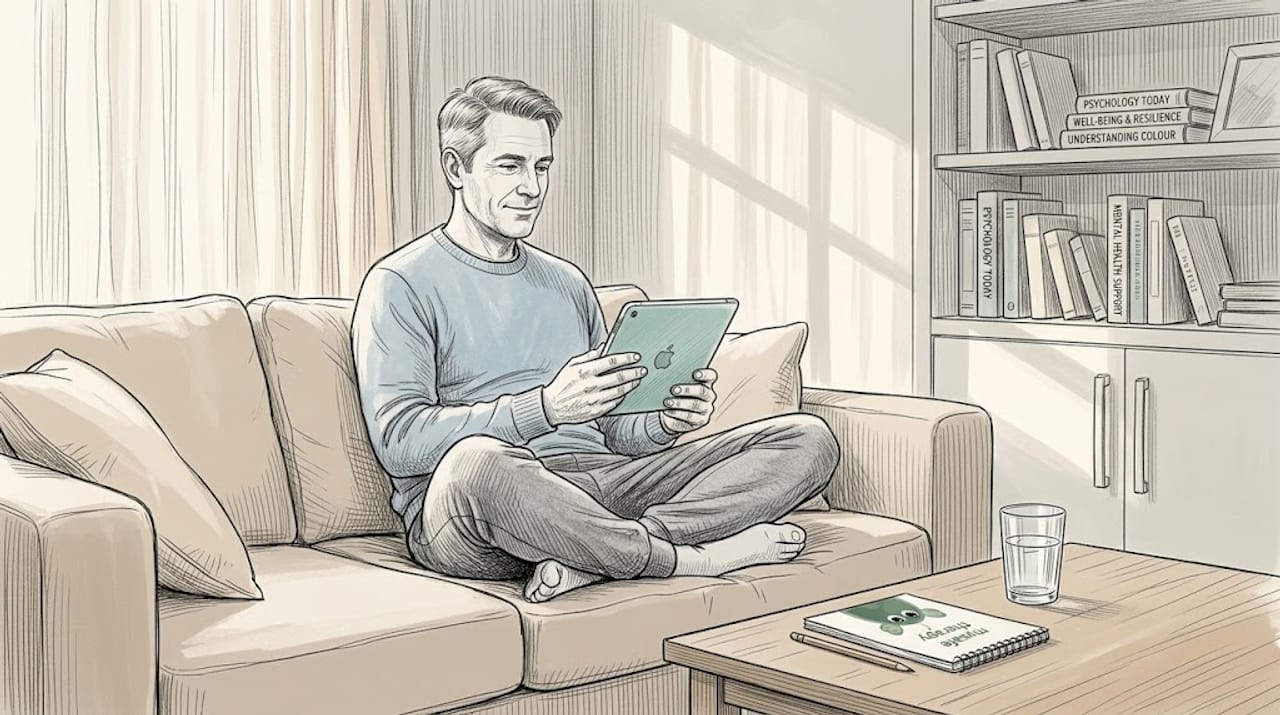
The benefits of video therapy are real and well-documented. Accessibility stands out most clearly. Video therapy removes geographic barriers, meaning someone in a rural area or a city without local capacity can access qualified help. Travel costs and time disappear. For adults with mobility difficulties, caring responsibilities, or irregular working hours, the convenience is not a minor perk. It is the difference between receiving support and not receiving it at all.
Video therapy also reduces stigma-related barriers. Attending sessions from a private space at home removes the visible act of entering a mental health clinic. For many people, that matters enough to make the difference between seeking help and avoiding it altogether. Continuity of care during life transitions is another underappreciated advantage. If you move, travel for work, or face disruptions, your therapy does not have to stop.
The limitations are also real and worth stating clearly:
- Technical failures can disrupt sessions at sensitive moments, and not all clients have reliable internet access or private spaces at home.
- Crisis situations are harder to manage safely via video. Therapists have fewer options if a client becomes acutely distressed and is not in a clinical setting.
- Non-verbal communication is partially lost, particularly when video quality is low or when only the face and shoulders are visible. Body language below the torso, posture, and subtle movement cues are missed.
- Therapeutic alliance can take longer to establish via video, particularly for clients who find technology uncomfortable or who have attachment-related difficulties.
Psychotherapists' own views on online therapy reflect this mixed picture. Convenience and accessibility are acknowledged, but institutional recommendations play a large role in whether individual practitioners adopt video therapy in practice. Government guidance appears to increase uptake. Professional society guidance can, paradoxically, reduce it in some contexts, perhaps because societies tend to emphasise caution.
Video therapy is most suitable for adults with mild-to-moderate anxiety or depression who have a stable living situation, reliable technology, and no acute risk factors. It is not a replacement for crisis support or intensive psychological treatment where in-person contact is clinically indicated.
Accessing video therapy in the UK
Starting video therapy is more straightforward than many people expect. Here is a clear sequence for navigating your options.
-
Consider NHS Talking Therapies first. This is the fastest no-cost route. You can self-refer online without speaking to a GP. The service offers CBT, counselling, and guided self-help via video or telephone for adults with anxiety or depression. Waiting times vary by area, but many providers offer video sessions within weeks. Self-referral pathways and options are available directly on the NHS website and through local IAPT services.
-
Check your eligibility for employer or insurance provision. Many employers now offer an Employee Assistance Programme with a set number of free video therapy sessions. Private health insurance increasingly covers online therapy at no additional premium.
-
Research UK-accredited private providers. If you go private, verify that any therapist is registered with the BACP, UKCP, or NCPS. These registrations require therapists to meet training standards and adhere to ethical codes. A registered counsellor or psychotherapist will have completed supervised clinical hours and is subject to a complaints process.
-
Book an initial consultation before committing. Most providers offer a brief introductory call. Use this to assess whether you feel at ease with the therapist and whether the format suits you. The fit between therapist and client is a strong predictor of outcome.
-
Prepare for the first substantive session. Write down what you want to address, any relevant history, and specific symptoms you want to work on. A clear initial account saves time and helps the therapist orient the work quickly. Reviewing mental health management fundamentals before your first session can also help you arrive with realistic expectations.
Costs for private video therapy in the UK typically range from £50 to £100 per session, though sliding scale fees and low-cost services through training clinics exist for those on lower incomes.
My perspective on video therapy's place in mental health care
I have watched video therapy shift from a reluctant substitute to a considered treatment option. The pandemic forced the sector's hand, and what followed was an accelerated accumulation of evidence that the field had been slow to gather before 2020.
My honest view is this: video therapy works, and it works in ways that surprised even practitioners who were sceptical. The evidence for symptom reduction in anxiety and depression is now strong enough to act on. What it does not do is eliminate the need for skilled human engagement. The therapeutic relationship is still the mechanism. Video is the channel.
Where I think people go wrong is in treating video therapy as inherently inferior to in-person work. That framing misses the point. For a significant proportion of adults, video therapy is not a compromise. It is the version of therapy they will actually attend, complete, and benefit from. Accessibility is not a lesser goal than clinical excellence. It is a precondition for it.
The important caveat is engagement. The dropout data is not something to explain away. If you start a video therapy programme, you need to commit to attending sessions and completing between-session tasks. Showing up to the screen and then disengaging mentally produces poor outcomes regardless of format. If you find yourself avoiding sessions, that avoidance is worth exploring with your therapist rather than quietly discontinuing.
I would encourage anyone researching their options to think of video therapy not as a fallback but as a deliberate first choice when the conditions are right. Pair it with daily habits for depression and anxiety and a clear sense of what you want from the work. That combination tends to produce results.
— MySafeTherapy
Start video therapy with Mysafetherapy
Mysafetherapy connects UK adults with BACP, UKCP, and NCPS-registered therapists who offer secure one-to-one video sessions for anxiety, depression, and related concerns. Sessions are available on evenings and weekends, and you can start therapy today without a waiting list or GP referral.
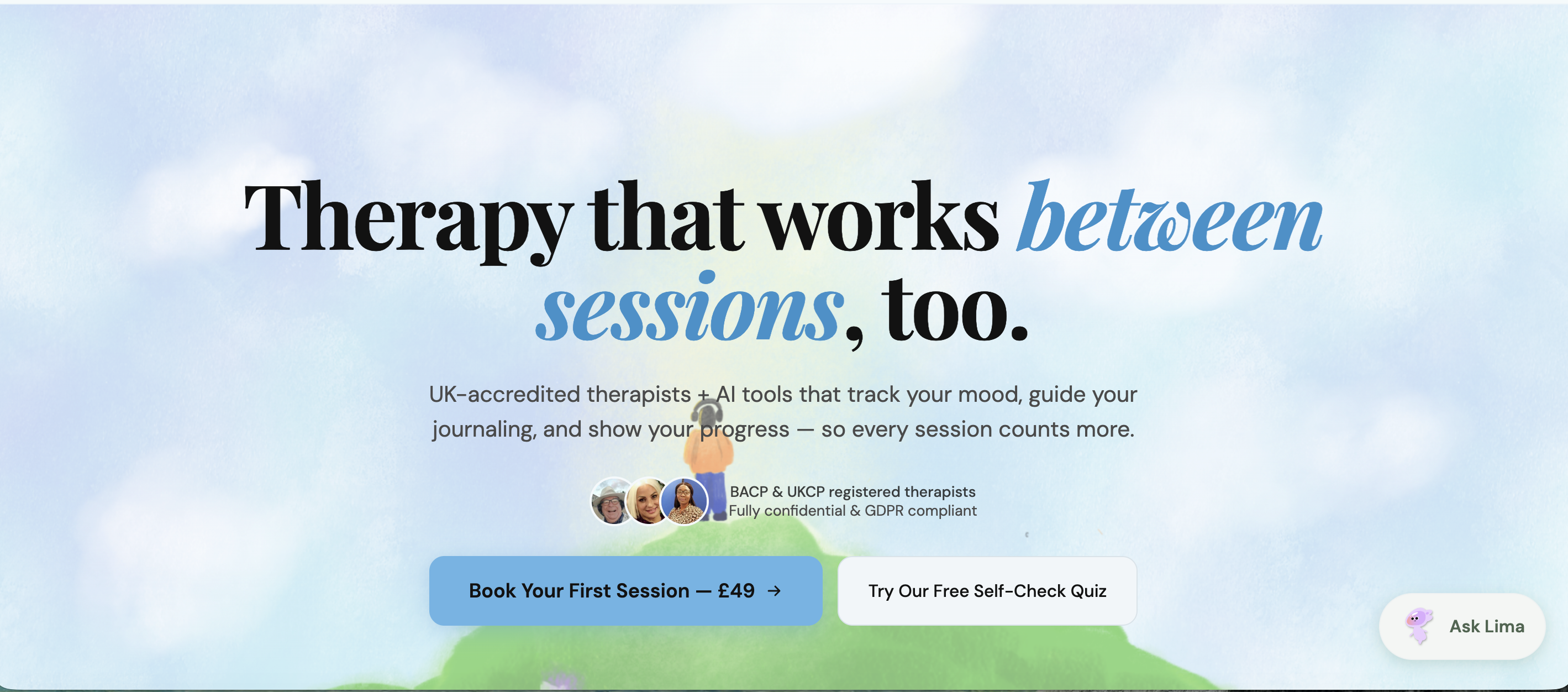
Therapists on the platform include specialists such as Robert Paynter and Samantha Cotterill, both of whom offer video counselling tailored to individual needs. Pricing is transparent, therapist-switching is straightforward if needed, and all sessions are held on encrypted platforms. If you are ready to take the next step, Mysafetherapy provides a direct route to qualified, confidential support.
FAQ
What is the role of video therapy in treating anxiety?
Video therapy delivers structured psychological treatments, primarily CBT and counselling, via secure live video sessions. NHS Talking Therapies use this format as a standard delivery method for anxiety, focusing on guided skill-building with a trained therapist.
Is video therapy as effective as face-to-face therapy?
For mild-to-moderate anxiety and depression, video therapy effectiveness is broadly comparable to in-person treatment when delivered by a qualified therapist. A 2026 RCT showed effect sizes of 0.63 to 0.99 for anxiety and depression respectively, which are clinically significant results.
How do I access video therapy through the NHS?
You can self-refer to NHS Talking Therapies online without a GP appointment. The service provides free video-delivered CBT and counselling for adults experiencing anxiety or depression, with most areas accepting direct referrals via their local IAPT provider's website.
What are the main limitations of video therapy?
The most significant limitations are higher dropout rates compared with in-person therapy, reduced non-verbal communication, and challenges managing acute distress remotely. Video therapy is less suitable for individuals in crisis or those requiring intensive psychological treatment.
Does NICE recommend video therapy for depression?
NICE has issued conditional recommendations for certain digital CBT technologies used alongside clinician support, but acknowledges evidence gaps around comparative effectiveness. The recommendations require ongoing evidence generation and are not unconditional endorsements of standalone digital tools.