
TL;DR:
- Chat therapy, supported by evidence, is now a deliberate, accessible choice for many UK adults managing mental health.
- It involves text-based support through various models, combining human therapists, AI chatbots, or both to deliver evidence-based techniques like CBT.
Many people still assume that typing to a therapist through a screen is a pale substitute for sitting in a consulting room. That assumption is increasingly hard to justify. Meta-analysis evidence across 154 RCTs confirms clinically meaningful symptom reduction from internet-delivered cognitive behavioural therapy, particularly when human guidance is part of the process. Chat therapy is no longer a workaround for people who cannot access traditional services. For a growing number of adults across the UK, it is a deliberate, evidence-backed choice that fits their lives.
Table of Contents
- What is chat therapy and how does it work?
- How effective is chat therapy for anxiety and depression?
- Different types of chat therapy: self-guided, guided, and AI-powered
- Access, inclusivity, and age-related outcomes in UK chat therapy
- Practical tips for making chat therapy work for you
- Our perspective: Why the role of chat therapy is more personal than technical
- Finding the right chat therapy support for your needs
- Frequently asked questions
Key Takeaways
| Point | Details |
|---|---|
| Evidence-based effectiveness | Chat therapy has strong support for reducing depression symptoms, particularly with guided models. |
| Suitability varies by need | Benefits depend on delivery type—self-guided may suit some, while others need more hands-on support. |
| Engagement is key | Consistent participation and use of chat features help maximise therapy outcomes. |
| Age impacts outcomes | Younger adults may see smaller improvements than older adults, so tracking progress is vital. |
| Personal fit matters | The best chat therapy approach combines technology with human connection, tailored to individual needs. |
What is chat therapy and how does it work?
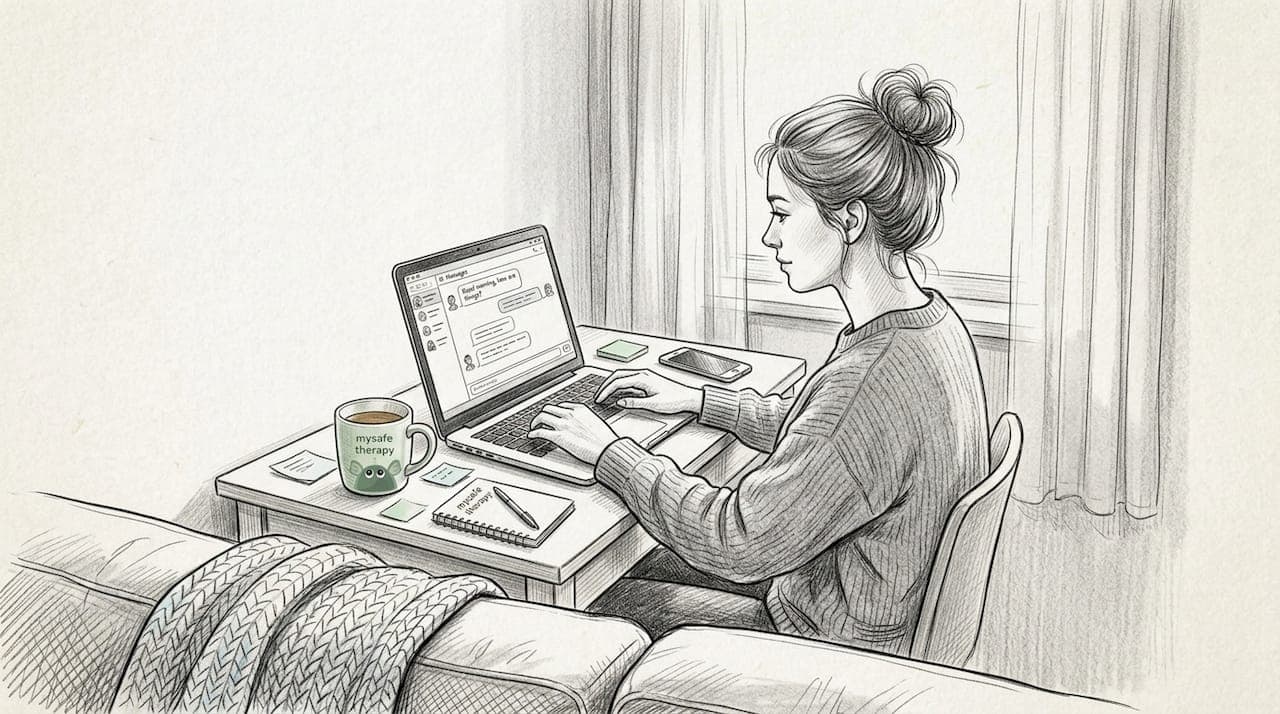
Chat therapy refers to therapeutic support delivered through written, text-based communication between a client and a therapist or an AI system. It operates through secure messaging platforms and can function in two primary modes: real-time, where both parties are online simultaneously, and asynchronous, where messages are exchanged at different times. Both formats are used across the UK today.
There are three broad models in practice. The first involves a qualified human therapist who communicates solely through text, following the same clinical framework they would use in a video or face-to-face session. The second uses AI-powered chatbots trained on evidence-based approaches, particularly cognitive behavioural therapy (CBT). The third combines elements of both, where an AI tool handles self-monitoring, psychoeducation, and between-session exercises, while a human therapist provides oversight and more complex dialogue.
Understanding the types of online therapy available in the UK is useful context here, because chat therapy sits within a broader ecosystem that includes video, avatar-based, and telephone options.
The therapeutic mechanisms that underpin effective chat therapy are well-documented. CBT-based chatbots use techniques such as cognitive restructuring, behavioural activation, mood monitoring, and relaxation exercises as their core building blocks. These are not new ideas; they are the same tools trained therapists have used for decades, now delivered through a different channel.
A typical chat therapy session might involve:
- Reviewing a mood log submitted before the session
- Working through a specific worry or cognitive distortion in writing
- Practising a grounding or relaxation technique via guided text prompts
- Agreeing on a behavioural task to complete before the next session
- Receiving written feedback and psychoeducational content between sessions
"The value of written communication in therapy is often underestimated. Putting thoughts into words requires a different kind of processing. Many clients find that writing clarifies what they are feeling in ways that speaking does not."
This structured, goal-oriented approach is what separates clinical chat therapy from general online support communities or self-help forums.
How effective is chat therapy for anxiety and depression?
The evidence base is substantial, though it is not without nuance. Digital CBT produces significant symptom reduction, with the strongest outcomes seen when sessions are guided by a human. Self-guided models show benefit too, but the effect sizes are generally smaller. For depression specifically, the evidence is consistent across multiple study designs and populations.
For anxiety, findings are more variable. Some anxiety subtypes, such as social anxiety and specific phobias, respond well to structured chat-based CBT. Generalised anxiety disorder shows moderate results. The variability reflects the heterogeneity of anxiety as a diagnostic category rather than a flaw in the delivery format.
AI-powered chat tools add an interesting layer. GenAI-powered CBT applications show increased engagement and, in some populations, improved symptoms, though anxiety outcomes remain more mixed than depression outcomes. Engagement is a critical metric here; a therapy that people actually use consistently will outperform a clinically superior option that people abandon after two sessions. This is worth understanding if you are weighing up how AI enhances online therapy in practice.
| Condition | Evidence strength | Guidance type that performs best |
|---|---|---|
| Depression | Strong | Guided (human support included) |
| Social anxiety | Moderate to strong | Guided or structured self-guided |
| Generalised anxiety | Moderate | Guided, with regular check-ins |
| Panic disorder | Moderate | Structured, with real-time feedback |
| Specific phobias | Moderate | Self-guided with clear protocols |
Key figure: Guided internet-delivered CBT demonstrates effect sizes comparable to many face-to-face interventions for depression, with some meta-analyses reporting Hedges' g values above 0.8, which is considered a large effect by conventional standards.
Pro Tip: If you are new to chat therapy, choose a guided format for your first 6 to 8 weeks. The added accountability of a human therapist reviewing your messages is associated with better early outcomes and reduces the risk of dropping out before you see results.
Different types of chat therapy: self-guided, guided, and AI-powered
Not all chat therapy is equivalent in structure or intensity. The format you choose will significantly influence both your experience and your outcomes. Guided internet-delivered CBT involves remote human interaction, typically through asynchronous messaging, while self-guided models rely on the individual's own motivation to progress through programme content.
Here is a practical comparison of the three main models:
| Type | Human involvement | Flexibility | Best suited to |
|---|---|---|---|
| Self-guided | None | Highest | High motivation, mild symptoms |
| Guided | Regular therapist contact | Moderate | Moderate symptoms, structured support |
| AI-powered | Minimal or supplementary | Very high | Engagement between sessions, low access barriers |
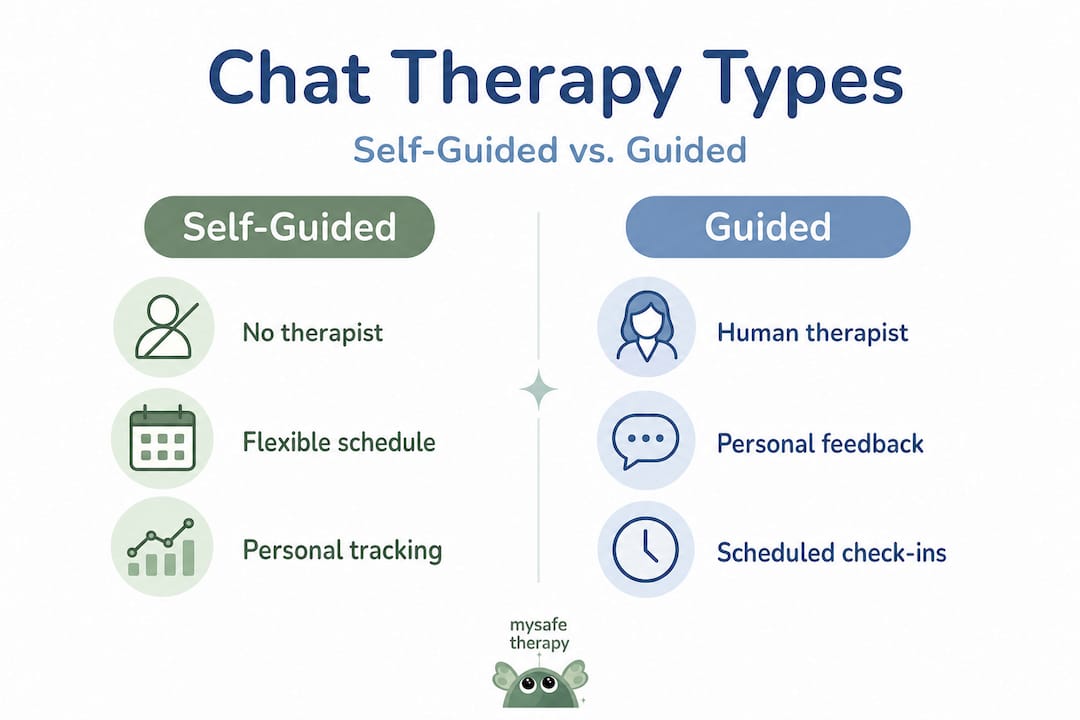
Self-guided chat therapy works best for people with mild to moderate symptoms, strong self-discipline, and a clear goal. The self-guided therapy model gives you full control over pacing, time, and topic focus. The risk is that without accountability, many users plateau or disengage before completing the full therapeutic arc.
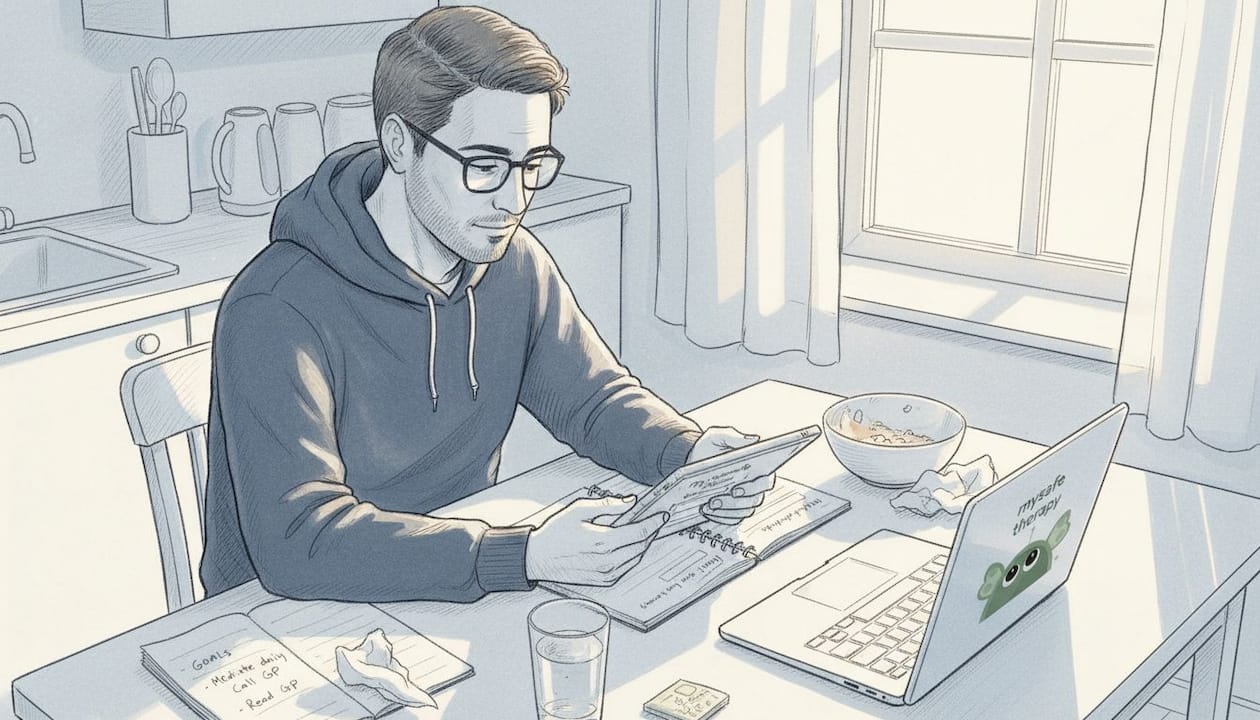
Guided chat therapy introduces a qualified professional who reviews your written submissions, offers personalised feedback, and adjusts the therapeutic direction based on your progress. This human element is consistently associated with better outcomes in the research. It requires more commitment in terms of time and often cost, but delivers more reliable results for moderate to severe presentations.
AI-powered chat therapy is the fastest-growing category. These systems do not replace a therapist, but they do provide immediate, round-the-clock responsiveness. They are particularly effective as a supplement to live therapy or as an entry point for people who are not yet ready to engage with a human professional. Avatar-based therapy follows a related logic, using a visual representation to make the digital interaction feel more grounded and relatable.
Key considerations when choosing a format:
- Symptom severity: more severe or complex presentations benefit from human guidance
- Motivation levels: self-guided formats require consistent self-initiation
- Schedule constraints: AI tools operate outside office hours; human therapists may have limited availability
- Budget: self-guided platforms are typically more affordable; guided models cost more but deliver stronger outcomes
- Previous therapy experience: those unfamiliar with CBT principles may need guided input to use the techniques correctly
Pro Tip: Use AI-powered tools during the week and book a guided check-in session monthly as a minimum. This blended approach keeps the cost manageable while maintaining human oversight of your progress.
Access, inclusivity, and age-related outcomes in UK chat therapy
Chat therapy is widely praised for broadening access to mental health support. It removes geographical barriers, reduces travel time, and eliminates many of the logistical constraints that prevent people from seeking help. For individuals with physical disabilities, social anxiety, or irregular working hours, text-based access can be genuinely transformative.
However, access and effectiveness are not the same thing. NHS Talking Therapies data reveals that younger adults aged 16 to 24 show smaller symptom improvements and lower recovery probabilities than those aged 25 to 65. This is a significant finding because digital therapy is often positioned as particularly suitable for younger, tech-native populations. The assumption that familiarity with technology translates into better therapeutic outcomes is not supported by the data.
Understanding why this gap exists matters. Several factors may contribute:
- Younger adults tend to present with more complex, co-occurring difficulties alongside anxiety and depression, including identity issues, academic pressure, and social developmental challenges.
- Digital tools are currently calibrated around adult presentations of established conditions, which may not map cleanly onto adolescent or early adult experiences.
- Engagement patterns differ: younger adults may use platforms differently, favouring brevity and immediacy over structured, sustained therapeutic work.
- The absence of a strong therapeutic alliance in self-guided or AI-only models may disproportionately affect those who are newer to identifying and articulating emotional distress.
"Access and effectiveness must both be monitored in digital mental health. Opening a door and ensuring people walk through it successfully are two distinct challenges."
Understanding how technology is transforming therapy for UK adults means holding both sides of this picture. The potential is real, but so is the obligation to track outcomes and adjust when specific groups are not being well-served. Personalised therapy in the UK is not just a marketing phrase; it is a clinical necessity for equity.
Practical tips for making chat therapy work for you
Knowing that chat therapy can be effective is one thing. Using it well requires a different kind of knowledge. These practical steps apply across all formats and significantly influence how much you benefit.
- Set clear, specific goals before your first session. Vague aims like "feel better" are harder to work towards than concrete ones like "reduce the frequency of panic episodes by tracking triggers."
- Commit to a regular schedule. Consistency matters more than intensity. Two short sessions per week outperform one long session every fortnight for most presentations.
- Use the features your platform offers. Engagement features such as reminders, flexible formats, and structured feedback have been shown to boost adherence and improve outcomes in digital CBT. Mood tracking, journaling prompts, and automated reminders are not extras; they are clinical tools.
- Write as honestly as you would speak. Chat therapy works when the written exchange reflects your actual experience. Sanitising your messages undermines the process.
- Review your previous sessions regularly. Unlike spoken therapy, chat leaves a written record. Reading back through your exchanges shows you how your thinking has shifted over time, which is itself therapeutic.
- Know when to escalate. Chat therapy is not appropriate for acute mental health crises, active suicidal ideation, or severe psychiatric presentations. If your symptoms deteriorate, contact your GP or a crisis service immediately.
Supplementing your sessions with essential mental health management tips can reinforce what you are working on between sessions. Additionally, therapy self-help resources provide structured material to keep you engaged with the therapeutic process outside of scheduled contact.
Pro Tip: Keep a brief weekly log of three things: what improved, what stayed the same, and what felt harder. Share this at the start of each session. It takes less than five minutes and gives your therapist the context needed to adapt their approach in real time.
Our perspective: Why the role of chat therapy is more personal than technical
The data on chat therapy is encouraging, but it can create a misleading impression. Numbers and effect sizes suggest a predictable, repeatable outcome. In practice, the effectiveness of chat therapy is shaped by something the randomised trials rarely capture: personal fit.
Technology is the infrastructure of chat therapy. Connection is the mechanism. When a person reads a well-timed response from their therapist, or works through a cognitive restructuring exercise and genuinely notices a shift in their thinking, the format is incidental. What matters is whether the interaction felt relevant, safe, and honest. That is as true in written exchanges as it is in a consulting room.
This is why outcome monitoring is not optional in digital care. NHS evidence confirms that a one-size-fits-all digital approach can under-serve specific individuals, and that personalisation and outcome benchmarking are not peripheral concerns. They are central to responsible digital therapy provision.
What most people miss in discussions about chat therapy is the importance of follow-through. Completing a programme matters more than starting one. The platforms that build in accountability structures, human touchpoints, and progress reviews are not simply offering convenience; they are addressing the single biggest predictor of poor outcomes in digital therapy, which is dropout.
Blending AI tools with human guidance is, in our view, the most clinically sound approach for the majority of UK adults. Neither element alone is sufficient for everyone. The AI provides availability and consistency; the human provides clinical judgement, relational attunement, and the capacity to recognise when something in your presentation has changed in a way that the system cannot detect. Personalised therapy options that integrate both represent the direction in which responsible digital mental health care is moving.
Finding the right chat therapy support for your needs
If this article has clarified how chat therapy works and what to look for in a quality service, the next step is practical. Choosing the right platform makes a meaningful difference to your outcomes.
MySafeTherapy connects UK adults with accredited therapists registered with BACP, UKCP, and NCPS, offering chat, video, and avatar-based sessions that fit around your schedule, including evenings and weekends. All sessions are confidential and secure, with transparent pricing and the option to switch therapists if your needs change. Whether you are managing anxiety, depression, burnout, or relationship difficulties, the platform provides structured, evidence-based support that you can access on your terms. If you are ready to take the first step, you can start therapy securely today and be matched with a qualified therapist suited to your situation.
Frequently asked questions
Can chat therapy help with both depression and anxiety?
Research shows chatbots improve depressive outcomes reliably in the short term, though anxiety results vary depending on the subtype and the level of guidance involved.
Is chat therapy as good as traditional face-to-face therapy?
Guided chat therapy shows favourable outcomes for many conditions, but it is not automatically equivalent to in-person psychotherapy for every individual or presentation.
Do younger adults benefit as much from chat therapy as older adults?
Younger adults aged 16 to 24 in NHS Talking Therapies are less likely to recover than those aged 25 to 65, suggesting that standard digital models may need adaptation for this group.
What features make chat therapy effective?
Clinically effective chat therapy includes cognitive restructuring and behavioural activation, alongside real-time feedback, mood monitoring, and structured self-monitoring exercises.
Do I need to see a therapist to use chat therapy?
Self-guided and AI-powered options are available without direct therapist contact, but guided models with human support are consistently associated with greater symptom reduction across the evidence base.