
TL;DR:
- Coping skills are practical, learnable strategies that help manage anxiety, depression, and stress effectively.
- They include immediate physical techniques, CBT-based thought reframing, social support, and pre-planned responses for crises.
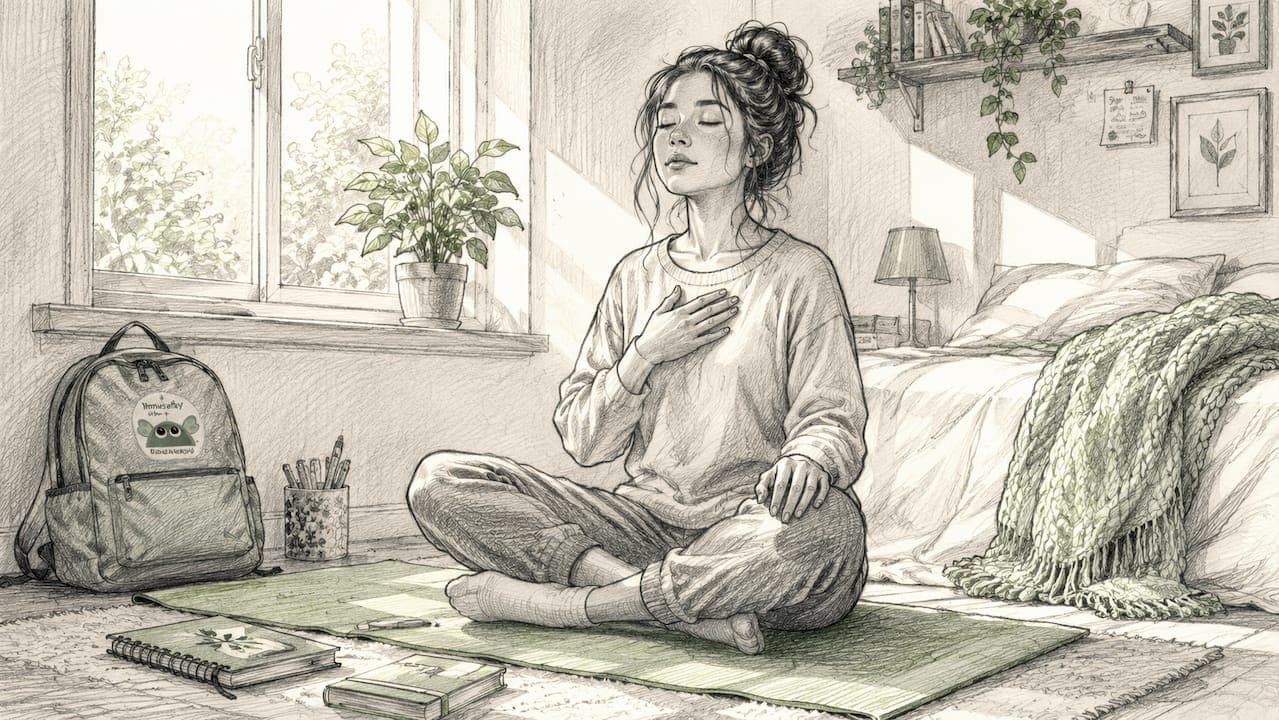
Coping skills are defined as specific, learnable strategies that help you manage anxiety, depression, and stress by regulating your emotional and physical response to difficulty. The NHS and Mental Health UK both endorse self-help techniques as a core part of mental health management, particularly when combined with professional support. Practical coping mechanisms, from grounding exercises to Cognitive Behavioural Therapy (CBT) techniques, give you real options when distress feels unmanageable. This article covers the most effective types, organised by how and when to use them, so you can build a personal toolkit that actually works.

1. Physical and sensory techniques for acute anxiety
The TIPP method is one of the most reliable sets of examples of coping skills for moments when anxiety spikes suddenly. TIPP stands for Temperature, Intense exercise, Paced breathing, and Progressive muscle relaxation. Each element targets the body's fight-or-flight response directly, which is why it works faster than thought-based approaches during a crisis.
- Temperature: Hold an ice cube, splash cold water on your face, or place your wrists under cold running water. Cold activates the dive reflex, which slows the heart rate within seconds.
- Intense exercise: A short burst of physical activity, such as jumping jacks or a brisk walk, burns off the adrenaline that anxiety produces.
- Paced breathing: Breathe in for four counts, hold for four, and out for six. The extended exhale activates the parasympathetic nervous system.
- Progressive muscle relaxation: Tense each muscle group for approximately five seconds, then release. Work from your feet upward. The contrast between tension and release signals safety to the nervous system.
The 5-4-3-2-1 grounding technique works alongside TIPP for sensory anchoring. Name five things you can see, four you can touch, three you can hear, two you can smell, and one you can taste. This technique pulls attention away from anxious thoughts and into the present moment.
Pro Tip: Prepare a small crisis kit in advance: an ice pack, a scented item you find calming, and a written card with your breathing pattern. Having it ready means you do not need to think during a high-anxiety moment.
2. CBT-based techniques for reframing negative thoughts
Cognitive Behavioural Therapy provides some of the most evidence-backed healthy coping mechanisms for managing stress and depression. CBT works by identifying the link between thoughts, feelings, and behaviour, then teaching you to challenge distorted thinking patterns.
- Thought records: Write down a distressing thought, identify the evidence for and against it, then write a more balanced version. This slows the automatic negative cycle.
- Positive reframing: Replace catastrophic interpretations with realistic ones. "I failed this task" becomes "I found this task difficult and can approach it differently next time."
- Behavioural activation: Depression reduces motivation, which deepens low mood. Scheduling small, achievable activities breaks that cycle by creating evidence that engagement is possible.
- Acceptance: Some stressors are outside your control. Accepting that fact, rather than fighting it, reduces the secondary distress caused by resistance.
- Mindfulness-based cognitive therapy (MBCT): NICE recommends MBCT for preventing relapse in recurrent depression. It combines mindfulness practice with CBT skills to help you notice negative thought patterns before they escalate.
Pro Tip: Keep a thought diary for one week. Write down the situation, your automatic thought, and the emotion it produced. Patterns become visible quickly, and visibility is the first step toward change.
Symptom tracking is a practical extension of CBT principles. Tracking your mood and stressors over time reveals triggers you may not have noticed and gives a therapist concrete data to work with.
3. Social and behavioural coping strategies
Social connection is one of the most consistently effective ways to cope with stress and low mood. Talking to a trusted friend, family member, or therapist reduces the sense of isolation that both anxiety and depression amplify. The act of putting feelings into words, what psychologists call "affect labelling," measurably reduces emotional intensity.
Behavioural changes support mental wellbeing in ways that thought-based techniques alone cannot. Physical activity, in particular, has a direct effect on mood through the release of endorphins and the regulation of cortisol. You do not need a gym membership. A 20-minute walk, a cycle, or a swim produces measurable benefit.
- Volunteering and purposeful activity: Contributing to something outside yourself shifts focus and builds a sense of competence.
- Creative pursuits: Drawing, writing, music, or crafting provide a structured outlet for emotions that are difficult to verbalise.
- Maintaining routine: Regular sleep and wake times, consistent mealtimes, and planned social contact provide the predictability that anxiety disrupts.
- Sleep hygiene: Prioritising sleep and diet directly supports your body's natural ability to regulate stress. Poor sleep amplifies emotional reactivity the following day.
- Planning and prioritising: Breaking tasks into smaller steps and writing a realistic daily list reduces the cognitive load that feeds overwhelm.
Learning how to talk about mental health with people you trust is itself a coping skill. Many people find that naming what they are experiencing reduces its power.
4. Distraction techniques as short-term tools
Distraction is a legitimate and useful coping strategy, provided you understand its limits. Grounding and distraction lower physiological arousal and create a window of calmer thinking. They do not address the root causes of anxiety or depression. Think of them as a pressure valve, not a repair.
Effective distraction techniques include:
- Completing a puzzle or word game
- Listening to music with full attention, focusing on individual instruments
- Watching a short, absorbing video or programme
- Counting backwards from 100 in threes
- Sketching or colouring a simple image
The key is choosing a distraction that requires enough cognitive engagement to interrupt the anxiety loop without being so demanding that it adds stress. Simple creative tasks and number-based activities tend to work well for most people.
5. How to build a personalised coping plan
A coping plan is a written document you create during a stable period so that it is available automatically when your capacity to think clearly is reduced. Effective coping plans built in advance enable automatic responses during crises, when decision-making is genuinely impaired. This is not a minor detail. When anxiety peaks, the prefrontal cortex, the part of the brain responsible for rational planning, is the first to go offline.
A well-structured coping plan includes:
- Warning signs: A list of your personal early indicators, such as disrupted sleep, irritability, or social withdrawal.
- Immediate tools: Your preferred sensory or physical techniques from the TIPP method or grounding exercises.
- Distraction options: Two or three activities that reliably hold your attention.
- Support contacts: Names and numbers of people you can call, including a crisis line if needed.
- Longer-term strategies: CBT techniques, therapy appointments, or evidence-based self-help strategies you return to regularly.
The table below distinguishes temporary tools from longer-term approaches, so you can use both with clarity about what each one does.
| Temporary coping methods | Longer-term coping methods |
|---|---|
| TIPP technique (cold water, exercise) | CBT-based thought records |
| 5-4-3-2-1 grounding | Mindfulness-based cognitive therapy (MBCT) |
| Distraction (puzzles, music) | Behavioural activation |
| Paced breathing | Regular therapy sessions |
| Sensory crisis kit | Sleep hygiene and routine maintenance |
Temporary methods reduce arousal quickly. Longer-term methods change the underlying patterns that create distress. Both are necessary, and neither replaces the other.
Key takeaways
The most effective approach to managing anxiety and depression combines immediate physical techniques, CBT-based thought skills, social support, and a written coping plan built during stable periods.
| Point | Details |
|---|---|
| Use TIPP for acute anxiety | Temperature, intense exercise, paced breathing, and muscle relaxation reduce fight-or-flight responses quickly. |
| Apply CBT techniques daily | Thought records and positive reframing change negative patterns over time, not just during crises. |
| Build a coping plan when stable | Writing your plan in advance means it works automatically when your thinking is impaired by stress. |
| Combine temporary and long-term tools | Distraction lowers arousal; therapy and MBCT address root causes. Use both with clear intent. |
| Social connection is a coping skill | Talking to trusted people and maintaining routine directly reduces the severity of anxiety and depression. |
What we have learned about choosing coping skills
At Mysafetherapy, we see one pattern more than any other: people try a coping technique once, find it difficult, and conclude it does not work for them. That conclusion is almost always premature. Most techniques require repetition before they become automatic. Progressive muscle relaxation feels awkward the first time. Thought records feel slow and artificial. That discomfort is not a sign of failure. It is a sign that you are learning something new.
The more important caution is this: mindfulness can increase anxiety in people with trauma histories. Sitting quietly with your thoughts is not always safe as a starting point. If that resonates, begin with sensory grounding or physical distraction instead. Build from there. The goal is to find what works for your nervous system, not to follow a generic prescription.
We also consistently observe that no coping skill works in isolation for long. The people who manage anxiety and depression most effectively combine self-help techniques with professional support and social connection. That combination is not a sign of weakness. It is the evidence-based approach.
— Mysafetherapy
Professional support alongside your coping skills
Coping skills are most effective when they sit alongside qualified professional support. Mysafetherapy connects you with UK-accredited therapists registered with BACP, UKCP, and NCPS, offering confidential online sessions for anxiety, depression, burnout, and trauma.
Sessions are available via video, chat, or avatar format, including evenings and weekends. Therapists at Mysafetherapy use evidence-based approaches including CBT and MBCT, the same methods described throughout this article. If you are ready to take the next step, you can start therapy online at a time that suits you. For those who prefer full anonymity, avatar therapy provides a confidential option from £49.
FAQ
What are the most effective examples of coping skills for anxiety?
The TIPP method, the 5-4-3-2-1 grounding technique, and CBT-based thought records are among the most evidence-backed options. The NHS endorses talking therapies including CBT as a primary approach for anxiety management.
How do coping skills for depression differ from those for anxiety?
Depression often requires behavioural activation and MBCT to address low motivation and prevent relapse, whereas anxiety management focuses more on reducing physiological arousal through grounding and breathing techniques. Both conditions benefit from social support and routine.
Are distraction techniques a healthy coping mechanism?
Distraction is a healthy short-term tool that lowers arousal and creates space for calmer thinking. It becomes unhelpful only when used as a substitute for longer-term strategies like therapy or CBT.
How do I know which coping strategy is right for me?
Start with physical techniques if you experience acute anxiety or have a trauma history, as mindfulness can sometimes increase distress in those circumstances. A qualified therapist can help you identify which types of coping strategies suit your specific needs.
Can I develop coping skills without professional help?
Self-help resources and NHS-endorsed techniques provide a solid foundation. Professional support, however, accelerates progress and addresses root causes that self-help alone may not reach.