

TL;DR:
- One in five UK adults struggles with anxiety or depression, but many delay seeking help.
- Evidence shows therapy improves mental health outcomes, yet access still needs expansion.
- Online therapy offers private, flexible, and accessible support options for those in need.
Nearly one in five adults in England are currently struggling with anxiety or depression, yet a significant number delay seeking support. Misconceptions about therapy, concerns over confidentiality, and uncertainty about where to begin all contribute to this hesitation. The reality is that prioritising mental health is not a luxury reserved for those in crisis. It is a practical, evidence-backed decision that improves daily functioning, relationships, and long-term well-being. This guide sets out why mental health deserves your attention now, what the evidence says about treatment outcomes, and how accessible online therapy options in the UK make it easier than ever to take that first step.
Table of Contents
- Understanding the urgency: The state of mental health in the UK
- Why prioritising mental health changes everything
- Barriers and misconceptions: Why many delay seeking help
- Practical steps: How to put your mental health first
- Our perspective: What most guides miss about mental health prioritisation
- Take the next step: Accessible therapy options for you
- Frequently asked questions
Key Takeaways
| Point | Details |
|---|---|
| Mental health matters | One in five UK adults faces mental health challenges, making proactive care essential. |
| Therapy is accessible | Online therapy and digital tools now offer confidential, flexible support for anyone. |
| Barriers can be overcome | Stigma, doubts and misconceptions need not stop you from getting effective help. |
| Personalised support works | Tailored therapy is especially valuable for those with both mental and physical health concerns. |
| Take practical steps | Starting with self-help and seeking professional therapy will help you prioritise your mental health today. |
Understanding the urgency: The state of mental health in the UK
Mental health challenges are not rare or niche. They affect a broad cross-section of UK adults, cutting across age groups, occupations, and income levels. Understanding the scale of the issue is the first step towards taking it seriously.
Access to psychological therapies has expanded considerably over the past two decades, rising from 10% to 18% between 2007 and 2024. Treatment access more broadly has doubled, moving from 25% in 2007 to 50% in 2024 for people with anxiety and depression. This is meaningful progress. But it also reveals that half of those who need support are still not receiving it.
The following table illustrates how access to mental health treatment has shifted over time:
| Year | Treatment access (anxiety/depression) | Psychological therapy access |
|---|---|---|
| 2007 | 25% | 10% |
| 2024 | 50% | 18% |
This growth in access is encouraging, but the underlying need has also grown. Rates of anxiety and depression among UK adults have continued to rise, meaning that expanded provision has not yet caught up with demand. For many people, the gap between needing support and receiving it remains wide.
Key facts about the current state of mental health in the UK:
- One in five adults in England is struggling with a mental health condition
- Anxiety and depression are among the most common presentations
- Access to treatment has doubled since 2007, yet significant gaps remain
- Online and digital therapy options are increasingly filling those gaps
50% of adults with anxiety or depression now access some form of treatment, up from just 25% in 2007. Progress is real, but the need continues to outpace provision.
For a broader view of the evidence behind these trends, the mental health evidence available from UK-based sources is worth reviewing. Practical mental health tips UK adults can use are also increasingly well-documented and accessible.
Why prioritising mental health changes everything
The case for prioritising mental health is not built on sentiment. It is grounded in measurable outcomes that affect nearly every area of daily life.
NHS Talking Therapies, which focus on treating anxiety and depression using structured, evidence-based approaches, report recovery rates around 50% and reliable improvement in approximately 68% of patients. These are not trivial numbers. They represent a substantial proportion of people who experience genuine, lasting change as a result of engaging with therapy.
Beyond clinical recovery, prioritising mental health produces practical benefits:
- Improved work performance: Anxiety and depression are leading causes of workplace absence. Addressing them directly reduces lost productivity.
- Stronger relationships: Untreated mental health conditions frequently strain personal and professional relationships. Therapy provides tools to communicate and connect more effectively.
- Prevention of escalation: Early intervention reduces the risk of mild symptoms developing into more severe conditions that are harder to treat.
- Better physical health: Mental and physical health are closely linked. Managing anxiety and depression can reduce the physical symptoms that often accompany them.
Pro Tip: If you are unsure whether therapy is right for you, start by reviewing the therapy options for anxiety available online. Many people find that simply understanding their options reduces the initial barrier to seeking help.
It is also worth noting that therapy is not a passive process. The evidence on therapy techniques shows that active engagement, including completing exercises between sessions and tracking mood changes, significantly improves outcomes. Prioritising mental health means committing to that process, not simply attending sessions.
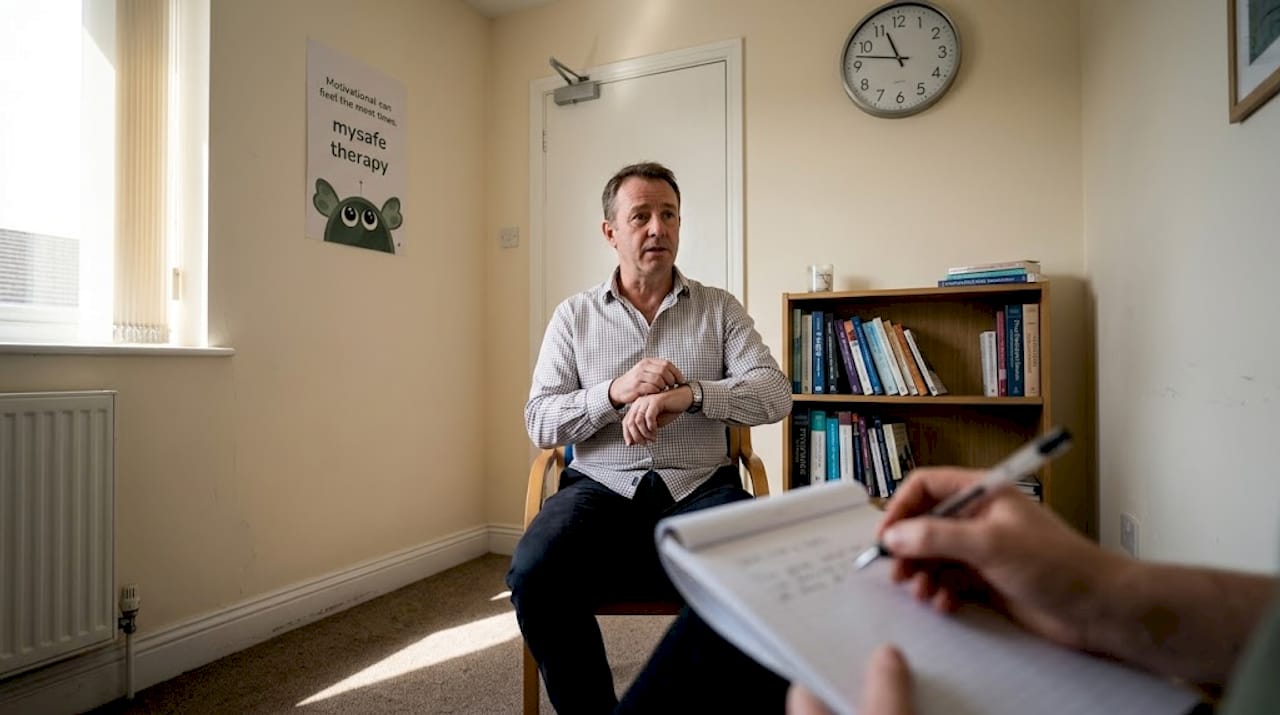
The shift from avoidance to active management is often where the most significant change occurs. People who engage consistently with therapy report not only symptom reduction but a broader sense of agency over their own well-being.
Barriers and misconceptions: Why many delay seeking help
Despite the evidence, many UK adults still delay or avoid seeking mental health support. The reasons are varied, but several patterns appear consistently.
Stigma remains one of the most persistent barriers. Many people fear being judged by colleagues, family members, or employers if they seek therapy. This concern is particularly pronounced in communities where mental health difficulties are seen as a sign of weakness rather than a medical condition requiring treatment.
Confidentiality concerns also deter people. There is a widespread misconception that therapists routinely share information with GPs, employers, or family members. In practice, professional confidentiality standards are strict, and information is only shared in very specific, limited circumstances.
Doubts about effectiveness are another common barrier. Some people believe that therapy is only useful for severe conditions, or that talking about problems cannot produce real change. The clinical data challenges this view directly.
It is also important to note that outcomes are not uniform. Recovery rates are lower (37 to 39%) for those with physical long-term conditions, and having multiple long-term conditions further reduces recovery likelihood. This does not mean therapy is ineffective for these groups. It means that standard approaches may need to be adapted, and that personalised therapy UK options are particularly important for people with complex needs.
Common barriers compared with online therapy solutions:
| Barrier | How online therapy addresses it |
|---|---|
| Stigma | Private, anonymous access from home |
| Travel or time constraints | Evening and weekend sessions available |
| Confidentiality fears | Clear, transparent privacy policies |
| Long NHS waiting lists | Direct access without GP referral |
| One-size-fits-all approaches | Tailored, flexible therapy formats |
- Acknowledge the barrier you are facing
- Research confidentiality policies before committing to a service
- Review clinical evidence on therapy effectiveness
- Explore online platforms that offer flexible, private access
- Start with a single introductory session to assess fit
Practical steps: How to put your mental health first
Knowing that therapy works is useful. Knowing how to begin is more useful still.
The most effective approach is to start with small, manageable actions rather than attempting a complete overhaul of your mental health routine at once. Gradual, consistent steps produce more sustainable change than sudden, intensive efforts.
Useful starting points include:
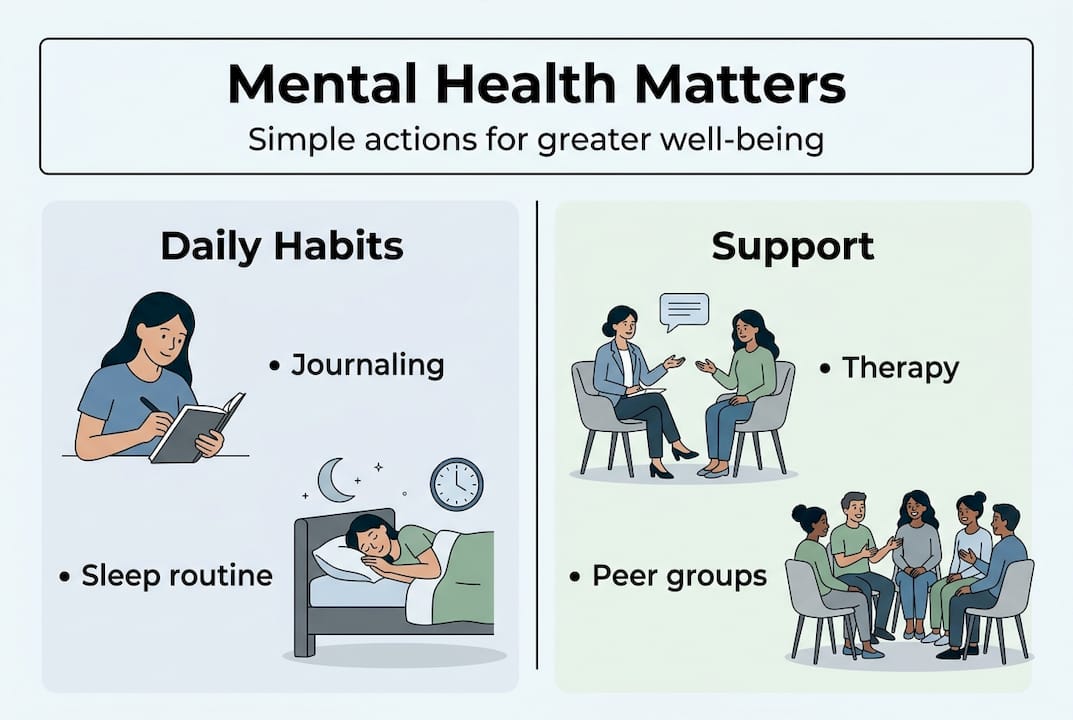
- Use self-help tools first: Self-help for anxiety resources, including mood trackers, guided journalling, and psychoeducation materials, can help you understand your patterns before you begin formal therapy.
- Prepare for your first session: Knowing what to expect reduces anxiety about the process itself. A therapy session guide can clarify what a typical session involves and how to make the most of it.
- Consider your specific circumstances: If you have a co-existing physical health condition, standard therapy approaches may be less effective. Evidence shows that lower-income groups and those with physical illness face higher rates of poor mental health outcomes, making tailored interventions particularly important for these populations.
- Choose a format that suits you: Video, chat, and avatar-based sessions each offer different levels of anonymity and interaction. Selecting the right format improves engagement and outcomes.
Pro Tip: Before your first appointment, spend ten minutes preparing for therapy by writing down your three main concerns. This simple step helps you use session time more effectively and gives your therapist a clearer starting point.
Consistency matters more than intensity. Attending sessions regularly, using supplementary tools between appointments, and tracking your progress over time all contribute to better outcomes. Mental health improvement is rarely linear, but sustained engagement with the process produces measurable results.
Our perspective: What most guides miss about mental health prioritisation
Most articles on this topic present mental health prioritisation as a straightforward decision: recognise the problem, seek help, recover. The reality is more nuanced, and that gap between expectation and experience is where many people become discouraged.
Generic advice frequently fails people with complex needs. If you have a physical long-term condition alongside anxiety or depression, a standard eight-session CBT programme may not be sufficient. Acknowledging this is not pessimistic. It is accurate, and accuracy is what leads to better decisions.
Personalised mental health support, which adapts to your specific circumstances rather than applying a fixed protocol, is not a premium option. It is a clinical necessity for a significant proportion of people seeking help. Online platforms that offer flexible formats, therapist switching, and supplementary tools are better positioned to deliver this than rigid, one-size-fits-all services.
Prioritising mental health is also not a one-off decision. It is a sustained commitment that requires regular reassessment of what is working and what is not.
Take the next step: Accessible therapy options for you
Understanding why mental health matters is a strong foundation. Acting on that understanding is where real change begins.
MySafeTherapy connects you with UK-accredited therapists registered with BACP, UKCP, and NCPS, offering confidential sessions via video, chat, or avatar-based formats. Sessions are available in the evenings and at weekends, with no GP referral required. If you are ready to start online therapy, the process is straightforward: choose your preferred format, match with a therapist, and begin at a time that suits you. Supplementary tools including AI journalling and mood tracking support your progress between sessions, making it easier to maintain momentum and measure change over time.
Frequently asked questions
How effective is online therapy for anxiety and depression?
NHS Talking Therapies report recovery rates around 50% and reliable improvement in approximately 68% of patients treated for anxiety and depression, making structured online therapy a clinically supported option.
Are therapy options confidential and accessible for UK adults?
Yes. Most online therapy services in the UK operate under strict confidentiality standards, and treatment access has risen from 25% in 2007 to 50% in 2024, reflecting broader availability of accessible, private support.
What if my mental health is affected by physical illnesses?
Recovery rates are lower (37 to 39%) for those with physical long-term conditions, so standard therapy approaches may need to be adapted. Seeking a service that offers personalised, flexible support is advisable in these circumstances.
How can I start prioritising my mental health today?
Begin with self-help tools such as mood tracking or guided journalling, connect with an accredited online therapist, and consider tailored strategies if you have complex or co-existing conditions.
Recommended
- Why mental health matters: evidence, support, and well-being
- Essential mental health management tips for UK adults
- Why flexible therapy sessions improve mental health support
- Best types of mental health support online: 5 options
- Why Naming Your Feelings Helps — The Caia Journal
- Benessere psicologico: vantaggi e strumenti innovativi