

TL;DR:
- Self-help therapy offers confidential, flexible, and affordable mental health support for various concerns.
- Starting requires honesty, a quiet space, consistent routines, and appropriate resources like worksheets or apps.
- It is a complement to professional help, with monitoring and awareness crucial for effective progress.
Finding confidential mental health support in the UK can feel like navigating a system that was not designed with your privacy in mind. Waiting lists are long, face-to-face appointments can feel exposing, and the stigma around seeking help remains a real barrier for many adults. Self-help therapy offers a practical alternative. It places you in control of your own mental health journey, whether you are managing anxiety, depression, or the lasting effects of trauma. This guide sets out a clear, stigma-free framework to help you begin, sustain, and refine your own self-help practice with confidence.
Table of Contents
- Understanding self-help therapy
- What you need to start: Tools and requirements
- How to carry out self-help therapy step by step
- Common pitfalls and how to track your progress
- Why self-help therapy is not a solo journey
- Next steps: Getting tailored support when you need it
- Frequently asked questions
Key Takeaways
| Point | Details |
|---|---|
| Self-help therapy empowers you | You can address anxiety and depression using accessible, stigma-free strategies at your own pace. |
| Get the right tools | Having privacy, structure, and the correct resources boosts your chances of success. |
| Track progress honestly | Consistent effort and self-assessment are essential for lasting improvement. |
| Know when to seek help | If self-help is not enough, professional guidance is always a positive next step. |
Understanding self-help therapy
Self-help therapy is a structured approach to mental health support that you direct yourself, using evidence-based tools and techniques rather than relying solely on a professional in a clinical setting. It is not a replacement for professional care in every situation, but it is a genuinely effective option for a wide range of concerns. Many people assume self-help is only suitable for mild stress or low-level worry. That is a misconception worth addressing directly.
Self-help therapy basics show that this approach offers flexible, confidential support for mental health concerns including anxiety, depression, and trauma. Structured programmes based on Cognitive Behavioural Therapy (CBT), mindfulness, and Acceptance and Commitment Therapy (ACT) are all available in self-help formats, and their effectiveness is well documented.
Key benefits of self-help therapy:
- Confidentiality: You engage entirely on your own terms, with no referral letters or shared records unless you choose otherwise
- Flexibility: You set the pace, the timing, and the focus areas
- Affordability: Many resources are free or low cost compared with private therapy
- Control: You decide what to address and when to move forward
- Accessibility: No waiting lists, no travel, no scheduling conflicts
| Feature | Self-help therapy | Traditional therapy |
|---|---|---|
| Confidentiality | High, self-managed | Shared with practitioner |
| Cost | Low to free | Moderate to high |
| Flexibility | Full control | Fixed appointments |
| Pace | Self-directed | Practitioner-guided |
| Availability | Immediate | Subject to waiting times |
Self-help therapy works particularly well for people who want to manage anxiety, low mood, or stress without the exposure of a formal clinical setting. It also suits those who want to supplement existing professional support with daily practice. Self-guided therapy can be a standalone approach or a bridge to more intensive help when needed.
Pro Tip: Start with one specific concern rather than trying to address everything at once. Narrowing your focus in the early stages makes the process more manageable and more effective.
What you need to start: Tools and requirements
Beginning self-help therapy does not require expensive equipment or specialist knowledge. What it does require is a degree of honesty with yourself, a commitment to consistency, and a basic set of resources suited to your needs.
Core requirements before you begin:
- A private, quiet space where you will not be interrupted
- A consistent time slot, even if it is only 20 minutes per day
- Honest self-assessment of your current mental state and what you want to address
- A willingness to sit with discomfort without immediately retreating from it
- Basic materials: a notebook, a device with internet access, or a printed worksheet
Various self-help resources, both digital and traditional, are available and recommended for effective therapy. The right combination depends on your preferences and the nature of your concerns.
| Resource type | Examples | Cost | Best for |
|---|---|---|---|
| Self-help books | CBT workbooks, mindfulness guides | Low | Structured learning |
| Mobile apps | Mood trackers, meditation tools | Free to moderate | Daily practice |
| Online platforms | Guided programmes, video content | Free to moderate | Flexible learning |
| Printable worksheets | Thought records, behaviour logs | Free | Targeted exercises |
| Podcasts | Mental health education | Free | Passive learning |
Free resources are a strong starting point, particularly NHS-recommended materials and NICE-approved self-help guides. Paid platforms often offer more structure, personalisation, and progress tracking, which can be valuable if you find free tools too open-ended. A look at top self-help resources can help you identify what suits your situation.
Creating the right environment matters as much as choosing the right tools. Switch off notifications, close the door, and treat your self-help sessions with the same respect you would give a formal appointment. Consistency is built through routine, not willpower alone. Explore self-help tools overview to find options matched to anxiety and depression specifically.
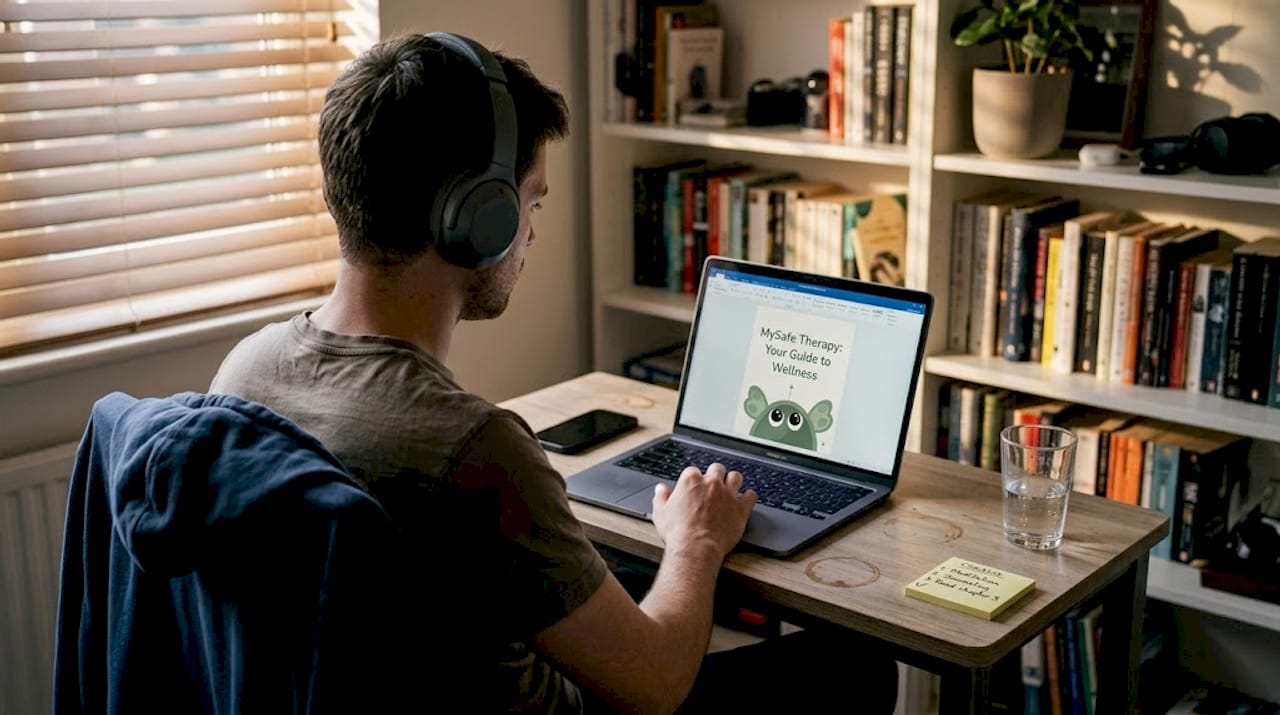
How to carry out self-help therapy step by step
With your essentials ready, you can now follow a clear plan to begin your self-help therapy routine. Structure is what separates productive self-help from aimless reading or journalling.
- Identify your primary concern. Be specific. "I want to manage my anxiety around social situations" is more useful than "I want to feel better."
- Choose your method. Select a structured approach such as CBT, mindfulness, or behavioural activation. Match the method to your concern.
- Set SMART goals. Goals should be Specific, Measurable, Achievable, Relevant, and Time-bound. For example: "I will complete one thought record each morning for two weeks."
- Build a weekly schedule. Commit to specific days and times. Treat these as non-negotiable appointments with yourself.
- Apply your chosen techniques daily. Use worksheets, apps, or guided audio to work through exercises consistently.
- Review your progress weekly. Assess what is working and what is not. Adjust your approach based on evidence, not emotion.
- Troubleshoot setbacks calmly. A missed session is not a failure. Identify the barrier and adjust your plan accordingly.
Self-guided processes can help manage anxiety and depression, especially with structured approaches like those outlined above.
"Consistency in self-guided therapy is not about perfection. It is about returning to your practice after every interruption, without judgement."
For a practical example, a one-week plan for tackling anxious thoughts might include daily five-minute breathing exercises, one thought record per day, and a brief evening reflection on what triggered anxiety and how you responded. Review the full range of therapy techniques to find methods that fit your schedule. For targeted guidance, self-help steps for anxiety offer a structured starting point.
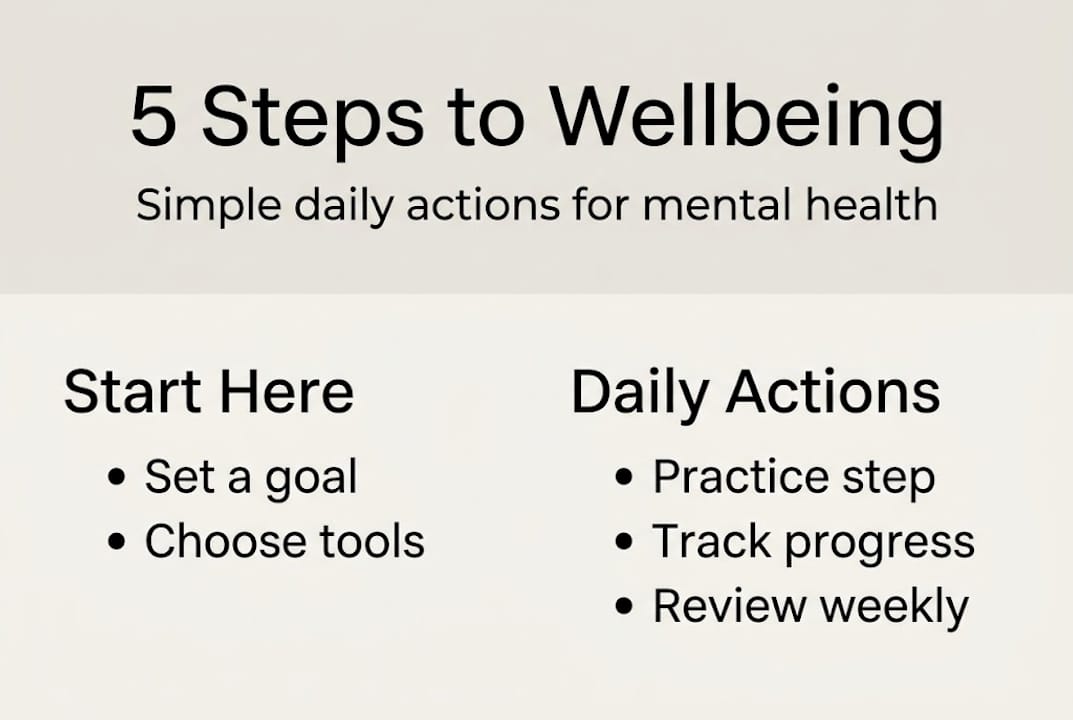
Pro Tip: Keep your weekly review short and factual. Write down three things that went well and one thing to adjust. This prevents the review from becoming another source of self-criticism.
Common pitfalls and how to track your progress
Success with self-help therapy depends not just on starting, but on anticipating and working around common obstacles. Many people begin with strong motivation and then lose momentum within two or three weeks. Understanding why this happens is the first step to preventing it.
Most frequent mistakes in self-help therapy:
- Setting goals that are too broad or too ambitious from the outset
- Skipping sessions when motivation is low, rather than doing a shorter version
- Isolating yourself and avoiding any form of support or accountability
- Switching methods too frequently before giving any one approach time to work
- Ignoring signs that professional support may be needed
- Measuring progress only by how you feel on a given day, rather than over time
Tracking progress and avoiding common mistakes improves the success of self-help therapy significantly. The most reliable tracking methods combine subjective experience with objective data.
| Tracking method | What it measures | Frequency |
|---|---|---|
| Mood journal | Emotional patterns over time | Daily |
| Symptom checklist | Specific symptom frequency | Weekly |
| Progress chart | Goal completion rate | Weekly |
| App data | Sleep, mood, activity levels | Daily/automated |
| Behavioural log | Avoidance or engagement patterns | Daily |
Knowing when to adjust your approach is as important as knowing when to persist. If you have followed a structured plan for four to six weeks without any measurable improvement, it is reasonable to try a different method or seek additional guidance. A complete therapy guide can help you assess whether your current approach is well matched to your needs. If you are unsure how to move forward, preparing for therapy with a professional is a logical next step, not a sign of failure.
Why self-help therapy is not a solo journey
There is a persistent assumption that choosing self-help therapy means choosing to go it entirely alone. That assumption is worth challenging directly. Self-help is about agency, not isolation. It means you are taking responsibility for your mental health, not that you are cutting yourself off from every form of support available to you.
Community resources, peer support groups, and online check-ins can all enhance a self-guided practice without undermining your independence. Many people find that sharing their progress with even one trusted person significantly improves their consistency and motivation. The act of articulating your experience, even briefly, reinforces the work you are doing privately.
The bravest step in any self-help journey is often recognising when you need more than self-directed tools can offer. That recognition is not a setback. It is evidence that your self-awareness has grown. Flexible therapy support exists precisely for those moments when self-help has taken you as far as it can on its own, and the next step is a guided conversation with a qualified professional. Seeking that support is a continuation of your journey, not a departure from it.
Next steps: Getting tailored support when you need it
Self-help therapy is a powerful starting point, but there are times when personalised, professional support makes a meaningful difference to your progress.
MySafeTherapy connects you with UK-accredited therapists registered with BACP, UKCP, and NCPS, offering confidential sessions via video, chat, or avatar format. Sessions are available in the evenings and at weekends, with no waiting lists and transparent pricing. Whether you want to supplement your self-help routine or move into more structured support, start therapy online at a pace that suits you. For more information about confidential online support, visit MySafeTherapy and explore the options available to you without pressure or obligation.
Frequently asked questions
Can self-help therapy really be effective for anxiety and depression?
Self-guided processes can help manage anxiety and depression effectively, particularly when structured methods are used and progress is monitored consistently over time.
What are the risks of self-help therapy?
The main risks include inconsistency and missing signs that professional help is needed, but tracking progress and honest self-reflection reduce these risks considerably.
How do I know if self-help therapy is working for me?
Monitoring improvements through mood journals, symptom checklists, and behavioural logs over several weeks gives you a reliable picture of whether your approach is producing results.
Is self-help therapy suitable for trauma recovery?
Self-help can serve as a useful first step for trauma, but professional guidance is important if symptoms persist, intensify, or begin to interfere significantly with daily functioning.