
TL;DR:
- Depression therapy involves structured, evidence-based talking treatments like CBT, counselling, and behavioral activation to change negative thought patterns and behaviors. Various formats, including online, phone, and in-person sessions, provide flexible access, with online therapy offering practical benefits like convenience and confidentiality. Research confirms that therapies like CBT help up to 80% of adults experience significant improvement, especially when combined with medication for severe cases.
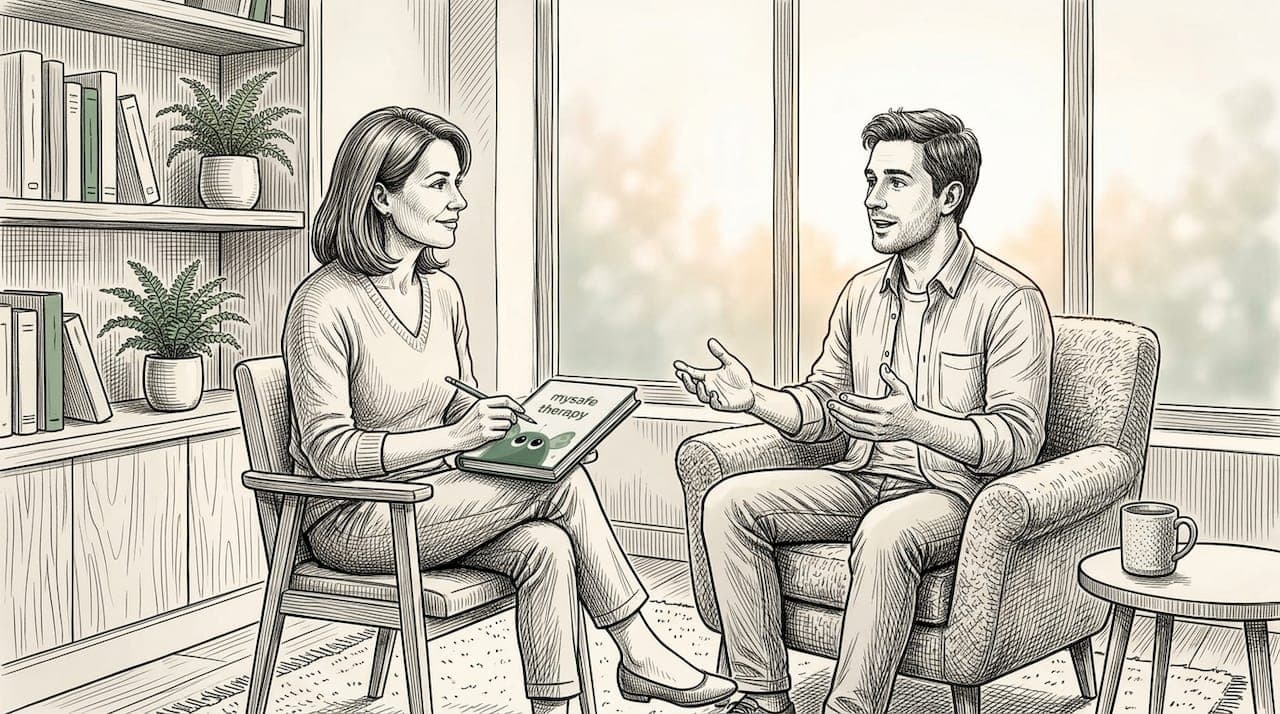
Many people assume depression therapy means lying on a couch while a stranger picks apart your childhood. That is not what it is. Depression therapy is a structured, evidence-based process designed to change the thought patterns and behaviours that sustain low mood, and for most adults in the UK, it is far more accessible than they expect. This guide explains what depression therapy actually involves, the types available, how to access them, and what to look for when choosing a therapist. Whether you are exploring NHS options or considering private online support, clarity starts here.
Table of Contents
- What is depression therapy and how does it work?
- Available formats of depression therapy in the UK
- Effectiveness and evidence behind depression therapy
- Navigating access to depression therapy in the UK
- Choosing the right therapy and therapist for you
- Rethinking depression therapy: a practical view from experience
- Start your tailored online depression therapy today
- Frequently asked questions
Key Takeaways
| Point | Details |
|---|---|
| Depression therapy basics | Depression therapy mostly involves talking therapies like CBT to change thought and behaviour patterns. |
| Accessible therapy formats | In the UK, depression therapy is available online, by phone, video, or in-person for flexible support. |
| Evidence of effectiveness | CBT and combined treatments help most people improve significantly from depression. |
| Easy access through NHS | UK adults 18+ can self-refer for NHS talking therapies with assessments tailoring treatment. |
| Choosing the right therapist | Selecting accredited therapists and preferred formats improves your therapy experience and outcomes. |
What is depression therapy and how does it work?
Depression therapy refers to a range of talking-based treatments aimed at reducing the symptoms of depression and building the skills to manage it long-term. In the UK, this most often means psychological therapies such as cognitive behavioural therapy (CBT), counselling, and behavioural activation, sometimes used alongside medication for moderate to severe cases.
CBT is the therapy most strongly supported by clinical evidence for depression in adults and is the approach most widely offered through NHS services. It works by helping you identify negative thought patterns, examine whether they reflect reality, and replace them with more balanced thinking. Alongside this, it addresses behaviours such as withdrawal and avoidance that keep depression going.
CBT for depression typically involves 8 to 16 weekly or bi-weekly sessions lasting 30 to 60 minutes each. Sessions are structured rather than free-flowing conversations. You will generally complete exercises or "homework" between sessions to practise skills in real life.
For mild depression, the starting point is often less intensive. Common accessible entry points include:
- Guided self-help: Working through CBT-based materials with support from a trained practitioner
- Computerised CBT (cCBT): Structured online programmes completed at your own pace
- Low-intensity psychological therapy: Brief, focused support delivered in person, by phone, or online
- Group CBT: Therapist-led sessions with others experiencing depression
Understanding the types of online therapy available helps you identify which format suits your current needs and circumstances.
Available formats of depression therapy in the UK
The way therapy is delivered matters as much as the therapy itself. Fortunately, UK adults now have more access options than at any previous point. NHS talking therapies for depression, including CBT, are offered online, by phone, video call, or in-person, with guided self-help programmes for mild cases.
Each format carries practical differences worth understanding:
- Video therapy: Face-to-face via screen. Most closely replicates in-person sessions and supports rapport-building and real-time exercises
- Phone therapy: Accessible without internet or camera, but limits visual communication
- Online messaging therapy: Asynchronous written communication with a therapist, suited to those with irregular schedules
- Computerised self-help programmes: Structured, self-guided CBT modules with optional practitioner check-ins
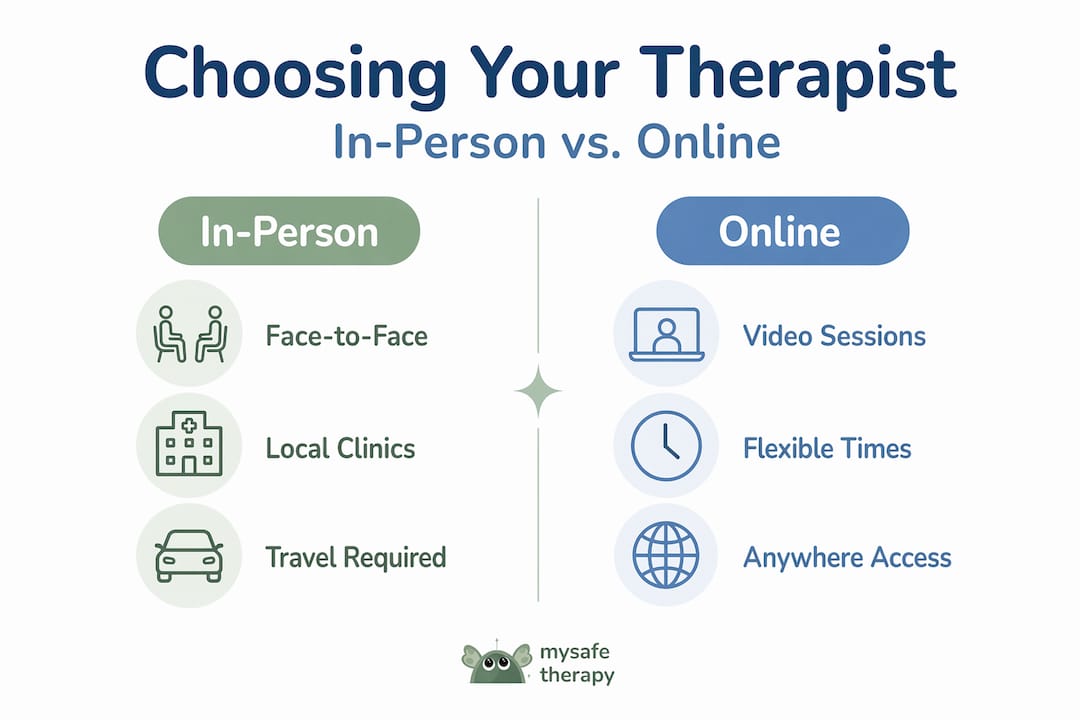
- In-person therapy: Traditional face-to-face sessions at a clinic or GP-referred service
One factor UK adults often underestimate is confidentiality. Online therapy providers operating in the UK are required to comply with UK GDPR, which governs how your personal and clinical data is stored and processed. Before starting with any platform, confirm their data policy and whether therapist notes are accessible to third parties.
Online therapy offers genuine flexibility that in-person services cannot always match. Evening and weekend appointments, no commute, and the ability to attend from any private space all reduce the practical barriers that stop people from seeking help. Reviewing guidance on online therapy safety for UK adults is a practical first step before choosing a provider.
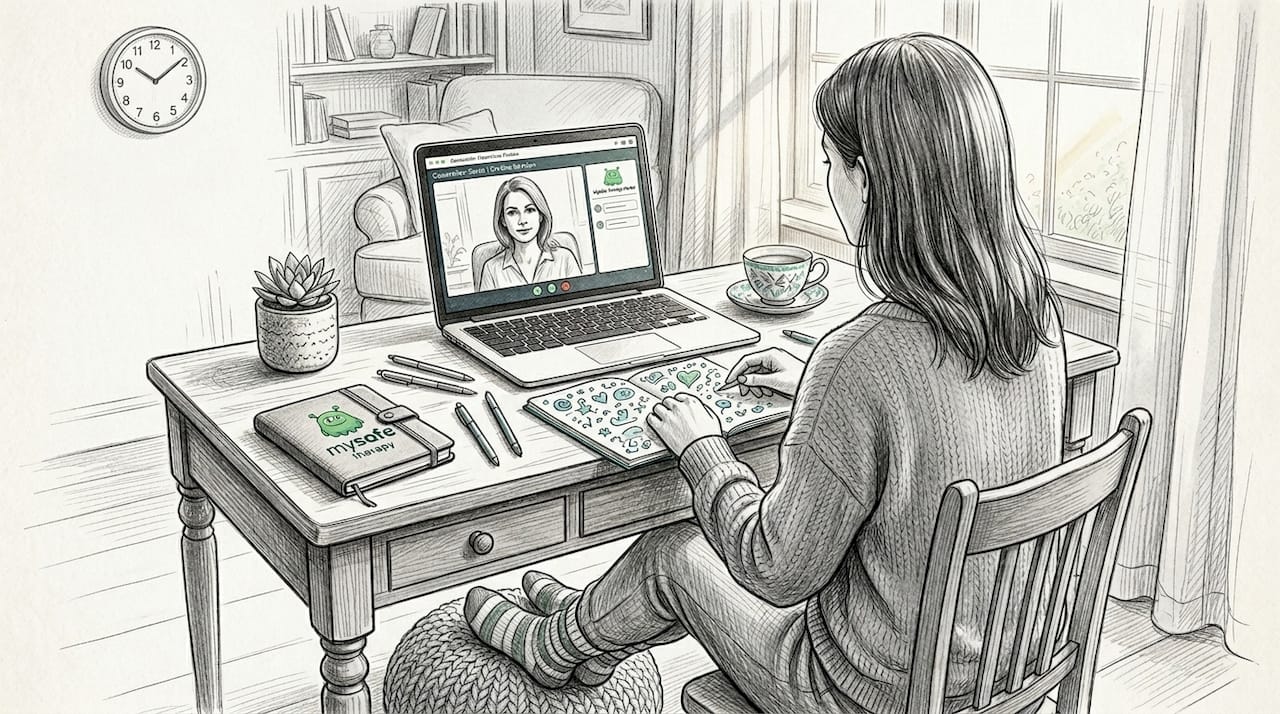
Pro Tip: If your provider offers both phone and video options, choose video. The visual connection supports better rapport with your therapist and allows them to observe non-verbal cues that improve the accuracy of their responses to you.
Effectiveness and evidence behind depression therapy
The evidence base for depression therapy is substantial. Psychotherapy such as CBT is effective for most people with depression, helping 60 to 80% experience significant improvement. These are meaningful results for a condition that many people feel is untreatable or permanent.
For moderate to severe depression, a combined treatment approach of antidepressants and CBT works better than either treatment alone. The medication can reduce the intensity of symptoms enough for therapy to take hold, while therapy builds the long-term skills that medication does not provide.
| Treatment approach | Best suited for | Expected outcomes |
|---|---|---|
| CBT alone | Mild to moderate depression | 60 to 80% improvement |
| Antidepressants alone | Moderate to severe depression | Symptom reduction, no skill-building |
| CBT and antidepressants combined | Moderate to severe depression | Best long-term outcomes |
| Guided self-help (cCBT) | Mild depression | Measurable improvement with low input |
| Counselling | Mild to moderate, situational depression | Emotional processing and support |
One thing therapy provides that medication cannot is the development of coping strategies that persist after treatment ends. A person who has completed a course of CBT has, in practical terms, acquired a set of tools for managing negative thought cycles. Those tools do not disappear when sessions end.
"Therapy gives you a framework for understanding your own mind. It is not a cure applied from the outside. It is a skill set you build from the inside, with guidance."
Exploring the full range of mental health support types can help you identify where therapy fits alongside other available resources.
Navigating access to depression therapy in the UK
Knowing therapy works is useful. Knowing how to access it is essential. Here is a clear sequence for adults in the UK.
- Self-refer to NHS talking therapies. Adults aged 18+ can refer directly to NHS talking therapies without a GP visit, although waiting times can range from several weeks to several months depending on your area.
- Complete the initial assessment. After referral, you will have a telephone or online assessment to determine the severity of your depression and identify the most appropriate treatment.
- Be matched to a therapy format. Based on your assessment, you may be directed to guided self-help, low-intensity therapy, or higher-intensity one-to-one CBT.
- Track your symptoms before and during therapy. Using a mood diary or symptom log gives your therapist measurable information to personalise your treatment.
- Prepare practical details before your first session. Note how long you have felt this way, what makes it worse, and what limited self-help you have already tried.
- Consider private therapy if NHS waiting times are not manageable. Private online providers can often offer an appointment within days, with flexible session times that fit around work and family commitments.
Reading a clear start online therapy guide can reduce the uncertainty around those first steps. Supplementing sessions with self-help therapy resources is also a recognised part of many treatment plans.
Pro Tip: When booking your initial assessment, specify that you would prefer video rather than phone. This is a reasonable request and often leads to a more thorough assessment, as the clinician can observe how you present during the conversation.
Choosing the right therapy and therapist for you
Not all therapists are equivalent, and not all therapy types suit every person. Making an informed choice significantly affects how useful your experience will be.
In the UK, the most reliable indicator of therapist quality is accreditation with a professional body. Look for registration with the BACP (British Association for Counselling and Psychotherapy), UKCP (United Kingdom Council for Psychotherapy), or the BABCP (British Association for Behavioural and Cognitive Psychotherapies). Accredited CBT therapists via the NHS or BABCP ensure evidence-based delivery. This is not a formality. Accreditation means the therapist meets ongoing training and ethical standards.
| Factor | Individual online CBT | Group CBT |
|---|---|---|
| Confidentiality | High | Moderate (group setting) |
| Flexibility | High (scheduling to your needs) | Lower (fixed group times) |
| Personalisation | High | Lower |
| Cost | Higher | Lower |
| Peer support | None | Present |
When speaking with a potential therapist, consider asking:
- Are you registered with the BACP, UKCP, or BABCP?
- What is your specific experience treating depression?
- Do you offer evening or weekend appointments?
- How do you handle confidentiality for online sessions?
- What does a typical session with you look like?
Online therapy is particularly relevant if your schedule is irregular, if travel to appointments creates barriers, or if you simply feel more at ease in a familiar environment. Detailed guidance on choosing a therapist for depression in the UK covers the practical criteria in full.
Rethinking depression therapy: a practical view from experience
The most common reason people feel disappointed by therapy is that they expected it to work the way antibiotics do. Take the course, feel better, move on. Therapy does not work that way. Progress is uneven, some sessions feel unproductive, and the real shifts often show up in your daily life between sessions rather than during them.
The homework element of CBT is where much of the therapeutic value actually sits. Completing thought records, behavioural experiments, and activity scheduling outside the session hour is not optional administration. It is the mechanism through which change occurs. People who treat session attendance as sufficient often plateau earlier than those who engage with the between-session work.
Video-based therapy has a practical advantage that phone therapy lacks. Online therapy insights confirm that users often wish they had requested video over phone from the start, citing better rapport and more effective practice of therapy exercises. Non-verbal communication carries a significant amount of emotional information, and losing it makes the therapeutic relationship harder to build.
Symptom tracking is another underused tool. When you log mood, sleep, and energy levels consistently, your therapist can see patterns you have stopped noticing. This is not about monitoring for its own sake. It makes therapy more targeted and reduces time spent on general discussion that does not advance your treatment.
Emerging tools such as AI in online therapy are beginning to supplement structured therapy in useful ways, particularly for reflection and mood logging between sessions. These tools do not replace the therapist. They create more informed sessions by bridging the gap between appointments.
One more point worth making plainly: if a therapist's style does not suit you after two or three sessions, it is entirely appropriate to request a different therapist. Fit matters. A technically competent therapist who does not communicate in a way that works for you is less effective than a well-matched one.
Start your tailored online depression therapy today
If you are ready to move from information to action, MySafeTherapy connects you directly with UK-accredited therapists who are registered with professional bodies including BACP, UKCP, and NCPS.
Sessions are available via video, phone, and messaging, with appointments in the evenings and at weekends to fit around your existing commitments. There are no waiting lists, no referral forms, and no requirement to see your GP first. You choose your therapist, your format, and your schedule. Pricing is transparent, and switching therapists is straightforward if your needs change. To begin, visit MySafeTherapy and start therapy online today.
Pro Tip: Before your first session, write down how your mood has been over the past two weeks, including any patterns you have noticed around sleep, energy, or specific situations. Sharing this at the start gives your therapist a clear and immediate picture of where to focus.
Frequently asked questions
What types of depression therapy are available online in the UK?
You can access CBT and counselling online through video, phone, or guided self-help programmes via NHS or private providers in the UK. Private platforms often offer faster access with greater flexibility around session formats and scheduling.
How does NHS self-referral for depression therapy work?
Adults aged 18+ registered with a UK GP can refer themselves directly to NHS talking therapies without a GP appointment, though waiting times vary by region. The process begins with an online or telephone assessment to match you with appropriate support.
Is online CBT as effective as face-to-face therapy?
Research shows that online CBT helps 60 to 80% of people with depression experience significant improvement, outcomes that are broadly comparable to in-person delivery. Video-based sessions in particular closely replicate the conditions of face-to-face therapy.
Can I choose video sessions over phone for online therapy?
Yes, and it is worth specifically requesting video when booking. Users often report that video sessions build rapport more effectively than phone, and they allow therapists to observe non-verbal communication that improves the quality of the session.